
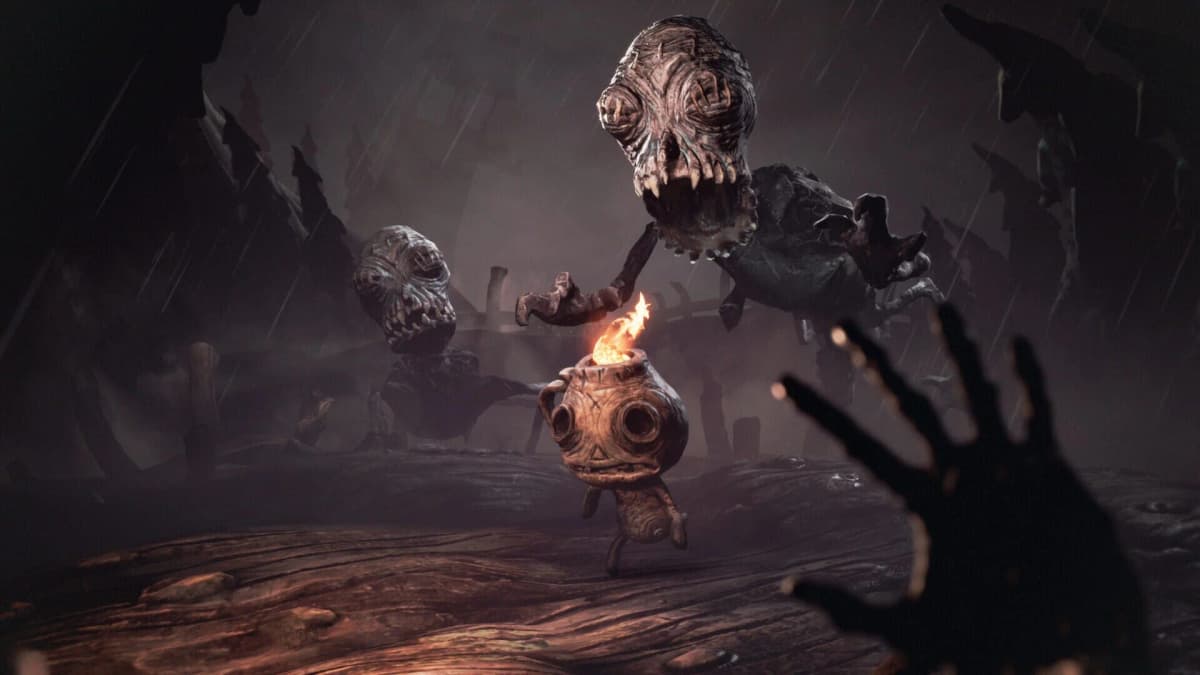
The Midnight Walk hides its two endings behind a single choice in the final chapter, and the question every player ends up asking is the same: do I have to play the whole game twice to see both? You do not. There is no point of no return, and you do not need to save-scum the finale. This guide gives you the real ending triggers, how Chapter Select changes your cleanup plan, and the routine that keeps you from missing collectibles on a first run.
Table of Contents (10)
The short version
- The game has two endings: Burn Out and Fade Away. Both hang on one choice in the final chapter (Chapter 6).
- You do not need a second full playthrough. After the credits, use Chapter Select to replay the last chapter and pick the other option for the second ending trophy.
- There is no point of no return. Any chapter is replayable at any time from Chapter Select in the main menu, so nothing is permanently missable.
- That means collectible and trophy cleanup happens after the finale via Chapter Select, not in a panic before some imaginary lockout.
- Play your first run for the story and exploration. Mop up the rest afterward.
How the two endings actually work
There are exactly two endings, and each one is tied to its own trophy: Burn Out and Fade Away. The split happens at a single decision in the final chapter, not across scattered choices throughout the game. So you do not need to play perfectly or track hidden checks across six chapters to “earn” a particular ending. You reach the finale, you make the choice, you see that ending.
For both endings and their trophies, the efficient path is one playthrough plus a replay of the final chapter. Finish the game, get the first ending, then load the last chapter from Chapter Select and take the opposite choice. There is no need to keep a stack of manual saves or to avoid touching the final interaction — the chapter is always there to replay.
If you want a full trophy and platinum plan around both endings, the trophy guide and platinum route lays out the order to clean everything up.
Why “anti-lockout” advice is wrong for this game
A lot of generic walkthrough advice tells you to treat every chapter exit like a point of no return and to hoard saves before each big trigger. That habit is built for games that lock you out — and The Midnight Walk is not one of them. Because every chapter is replayable from the main menu’s Chapter Select, finishing a chapter “wrong” costs you nothing. You can always go back.
So drop the save-scumming. The only thing you actually need to plan around is the single final-chapter choice, and even that is recoverable through a Chapter Select replay. Spend your attention on reading rooms and finding collectibles, not on insurance saves you will never need.
How to read the game’s puzzles
The core rule the whole game reuses is simple once you see it: symbols are instructions, and light changes the state of a room. When you find a marking, assume it points at something nearby. When a puzzle changes the lighting, do a second lap — newly lit corners and side alcoves are the easiest things to miss on a first pass.
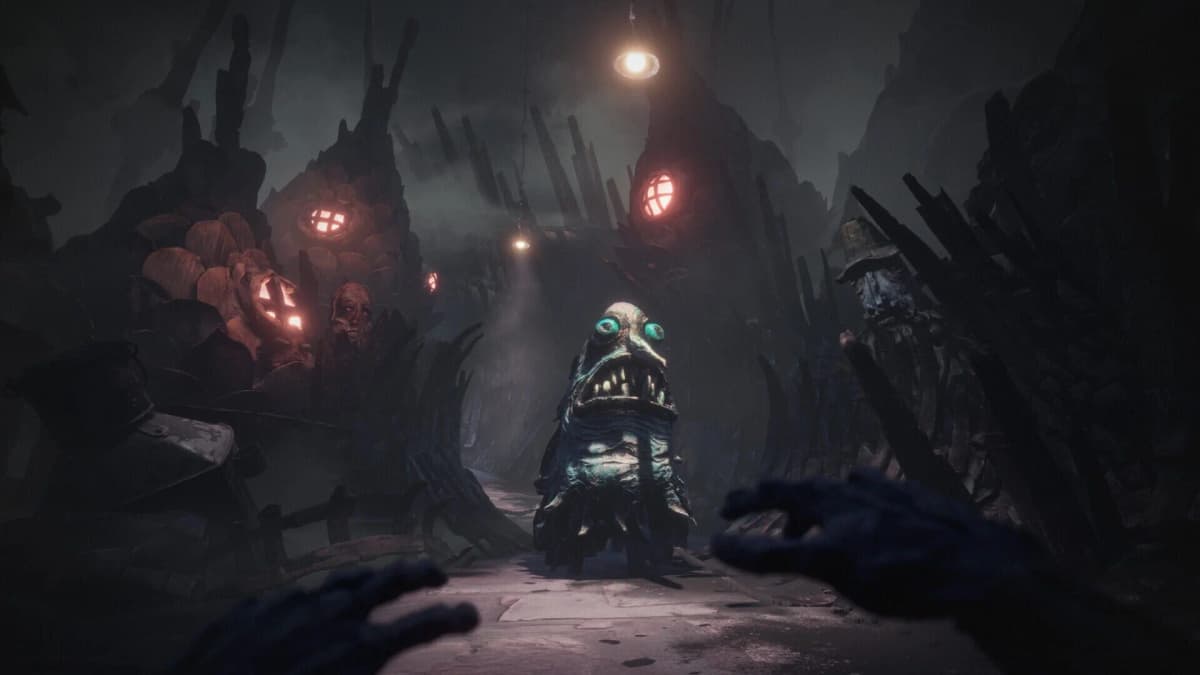
Work each room in layers. First find the safe traversal line. Second, note every symbol and light source. Third, solve the most local version of the puzzle before committing to the far end of the space. When you are stuck, step back and ask what changed when the room became lit — the answer is usually visual, not hidden. For a worked example of this read-the-symbols approach, see how to solve the Moonbird puzzle.
Stealth and combat sections
When the game blends light puzzles with enemies, slow down rather than rushing. Take stealth in two passes: on the first, learn the movement pattern and the safe pockets; on the second, run the route already knowing where your next pause point is. After a threat is gone, turn around and re-enter the space — post-encounter rooms are calmer and easier to search, and that is exactly where pickups tend to sit.
Chapter 5: The Tale of the Dark
Chapter 5 is titled The Tale of the Dark, and despite how ominous that sounds, it is not a lockout point. There is no “last chance” gate here. If you missed an optional area or a collectible, you can return to it later through Chapter Select, so play the chapter for what it is rather than treating it as a final cleanup deadline.
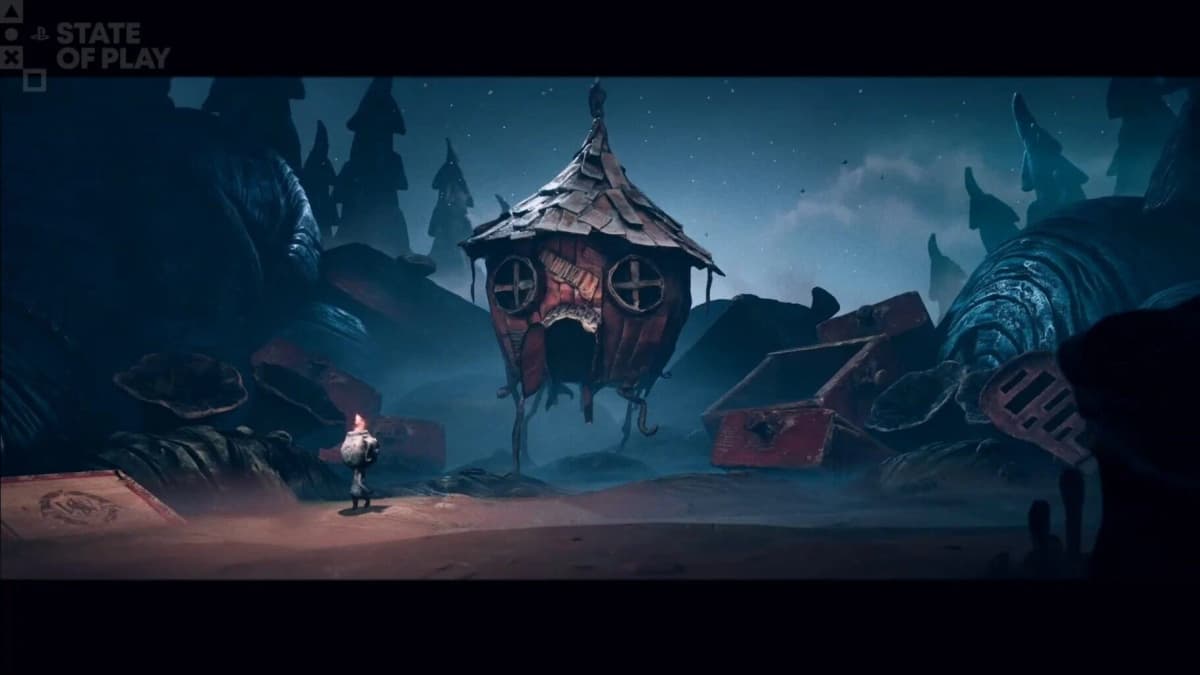
Run it in three beats: clear the main path, sweep the accessible side spaces, then check whether any symbol or light device makes more sense than it did earlier. If an area looked unreadable before, this is often where an earlier visual clue pays off.
Chapter 6: the final choice
Chapter 6 is where the ending split happens. The whole branch comes down to the one final-chapter choice that decides Burn Out versus Fade Away — so there is no pressure to have played the earlier chapters a particular way. Make the choice you want, watch your ending, and remember that the other one is a single Chapter Select replay away.
If you want the chapter-by-chapter context that leads into this finale, the full walkthrough for all chapters and endings covers the route through each tale.
A collectible sweep that works in every chapter
- Search each room twice: once before solving the main puzzle, once after the lighting changes.
- Hug the outer walls on your cleanup lap. Side alcoves and narrow dark pockets are easy to miss from the center line.
- After a chase or stealth sequence, re-enter the area — post-encounter spaces are safer and easier to read.
- Do not stress about timing your cleanup. Anything you skip can be revisited later through Chapter Select.
Common mistakes
- Assuming you need two full playthroughs for both endings — you only need to replay the final chapter.
- Hoarding manual saves to “protect” your ending. The choice is a Chapter Select replay; insurance saves are unnecessary.
- Treating chapter exits as points of no return. Nothing is permanently missable in this game.
- Solving the obvious puzzle immediately and forgetting to inspect the room first.
- Treating symbols as decoration instead of local instructions.
Practical takeaway
Play The Midnight Walk for the story on your first run and stop worrying about lockouts. The two endings — Burn Out and Fade Away — both come from one choice in the final chapter, and because every chapter is replayable from Chapter Select, you can grab the second ending, any missed collectibles, and the remaining trophies after the credits. Read symbols as instructions, do a second lap whenever the light changes, and let Chapter Select handle the cleanup.
FinalBoss // Gear
Level up your setup
01Top-rated gaming headsetson Amazon→02High-refresh gaming monitorson Amazon→03Gaming chairson Amazon→04Discounted game keyson Kinguin→
Affiliate links · As an Amazon Associate, FinalBoss earns from qualifying purchases.
Want to Level Up Your Gaming?
Get access to exclusive strategies, hidden tips, and pro-level insights that we don't share publicly.
Ultimate Guide Strategy Guide + Weekly Pro Tips