
You want one number before you start The Midnight Walk: can you finish it tonight, or does the completion run eat your weekend? Here is the honest answer. The main story runs 4-6 hours to the credits, and going for the full trophy set pushes you to 6-10 hours. It is a short, deliberately compact game, so the question that actually matters is not “how long” but “how much of it do you want to clean up.”
Table of Contents (10)
The short version
- Main story, normal pace: 4-6 hours to the credits (closer to 4-5 if you push the critical path).
- First blind playthrough with some exploring: 6-8 hours.
- 100% / Platinum (all 16 trophies): 6-10 hours total.
- Structure: six chapters, each generally under an hour. The first chapter is the shortest.
- Platforms: PS5, PS VR2, and PC (Steam, flat-screen or PC VR). It launched May 8, 2025 at $39.99.
How long the story takes
The Midnight Walk is a first-person narrative adventure built around light puzzles and stealth, and it is short on purpose. A clean run that sticks to the critical path reaches the ending in about 4-5 hours. A more typical first run, where you stop to look around and a few stealth sections go badly, lands at 5-6 hours. There is no second campaign or hidden mode behind the credits inflating that number; the 4-6 hour figure is the whole core story.
The thing that stretches a first run is not the platform and it is not a difficulty wall. It is two specific systems: puzzle reading and stealth recovery. A room one player solves in three minutes can take another fifteen, and every time a monster catches you, you lose ground and replay the approach. Plan around the middle of the range, not the floor, and you will not get caught planning a four-hour evening that runs past midnight.
What 100% completion actually involves
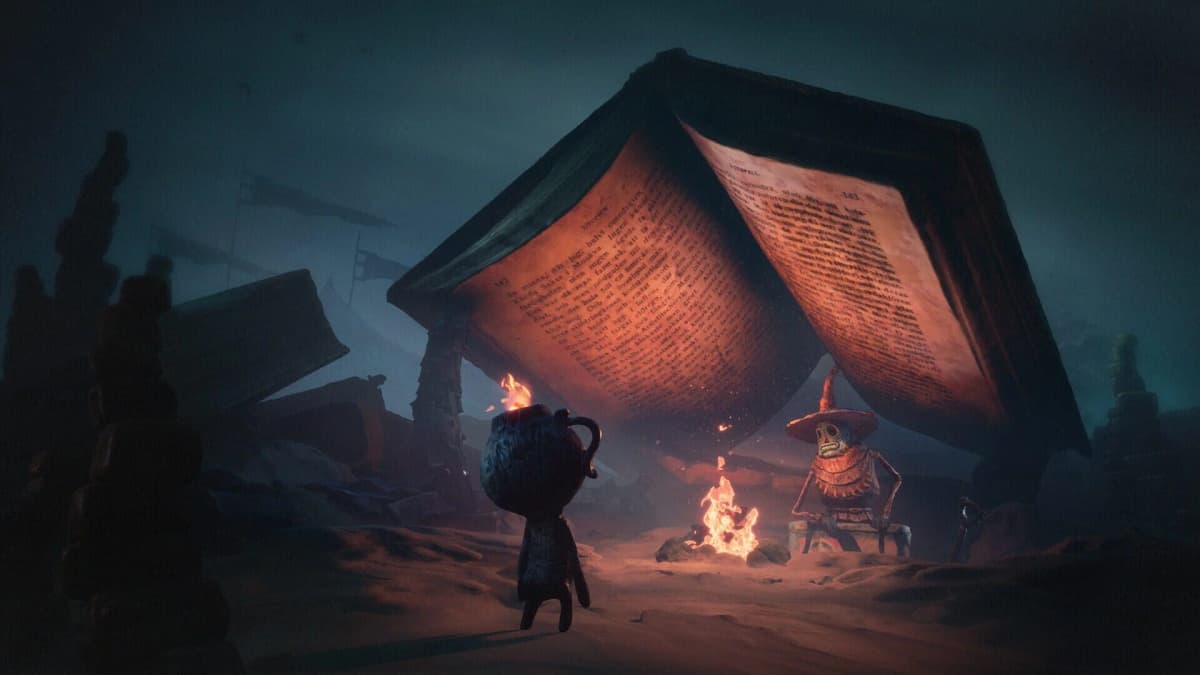
Completion here is not a grind. The game has 16 trophies, and the Platinum is realistic in a single thorough playthrough plus a short cleanup. Six of those trophies simply unlock for finishing each of the six chapters, so you earn a third of the list just by reaching the credits. The rest come from collectibles and a handful of specific actions.
The collectibles are the real time sink, and there are three types to find:
- Clay figurines tucked into the handcrafted environments.
- Gramophone discs that add to the soundtrack and atmosphere.
- Shellphones — audio logs that fill in the world’s story.
Because the levels are linear with very little wasted space, you can mop up most of what you missed using chapter select rather than replaying the whole game. That is why 100% sits at 6-10 hours instead of doubling the story length: you are doing one careful pass plus targeted revisits, not a second full run. If you want the exact route, our Platinum cleanup guide and the full trophy guide and Platinum route break down each requirement.
How the six chapters shape your time
MoonHood markets the game as “five tales of fire and darkness,” but you actually play through six chapters — the marketing tagline and the shipped structure simply count differently, with a short final chapter rounding it out. Each chapter generally runs under an hour, and the opening one is the briefest.
That structure is the reason the first hour can mislead you. A quick opening chapter makes the whole game feel like it will collapse in an evening, then the later puzzle and stealth sequences ask more of you and the runtime settles higher than your first impression. The upside is a clean stop-and-start rhythm: it is easy to say “one more chapter,” and you can finish in one long sitting or split it across two shorter ones using the chapter breaks as natural save points.
Your time, based on how you play
Story-focused players
If you only want to see the ending, start with the 4-6 hour estimate. Move forward steadily, do light side-checking, and do not stall in stealth. Efficient players in first-person puzzle games land near the low end.
Careful first-run explorers
If you inspect corners, soak in the claymation atmosphere, and try not to miss anything, expect 6-8 hours. You are playing the same campaign at the pace the environment invites rather than a straight-line clear.
Completionists
If you want the Platinum, budget 6-10 hours. The upper end shows up when blind exploration combines with stealth setbacks and chapter-select cleanup for the figurines, discs, and shellphones you walked past the first time.
Common mistakes
- Planning around 4 hours. That is the floor for an efficient run, not the average. Budget closer to 6 for a comfortable first finish.
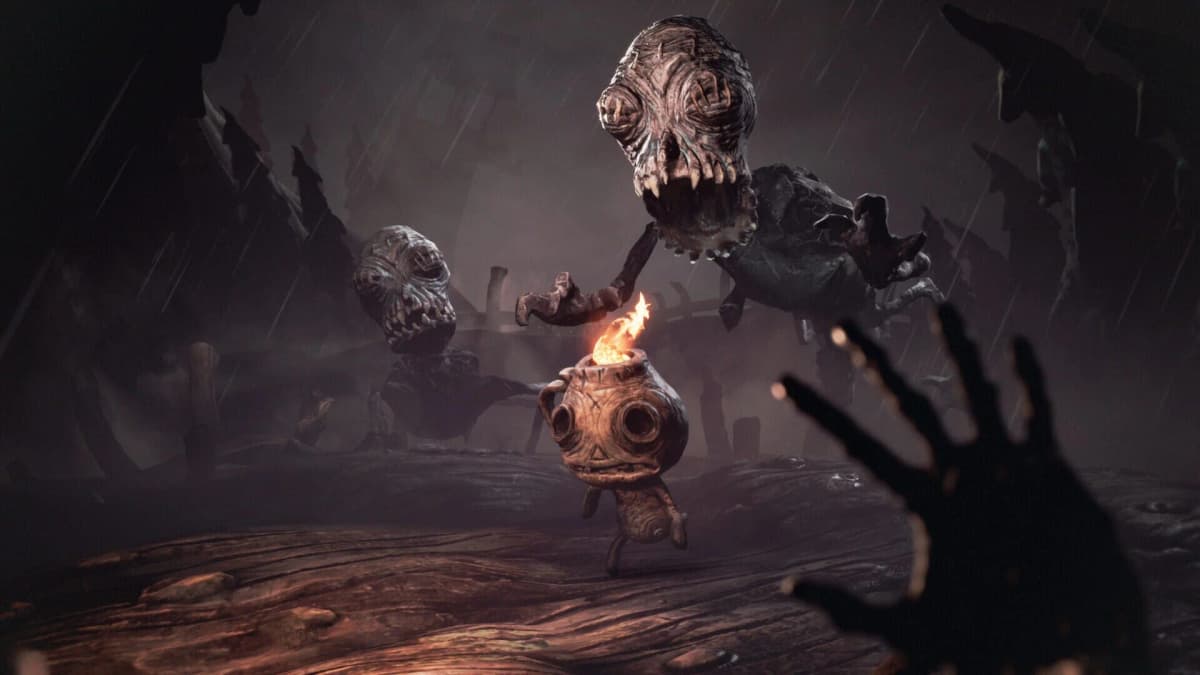
- Treating it as a short walking sim. The stealth sections genuinely stretch the clock when monsters catch you. Clean movement is what keeps the run short.
- Hunting collectibles blind on your first pass. You will miss some regardless. Play the story, then use chapter select to clean up — it is faster than obsessing over every room live.
- Expecting a post-credits campaign. There is no hidden second mode. The 6-10 hour figure is completion, not extra story.
Practical takeaway
The Midnight Walk is a six-chapter, 4-6 hour story that opens up to a 6-10 hour Platinum, and the difference between those two numbers is entirely collectibles and trophy cleanup. Set aside about six hours if you want the credits in one day, split it across two sessions if you would rather take it slow, and treat it as a 6-10 hour project if you are going for the full 16 trophies. For a lighter look at just the playtime spread, see our playtime guide.
FinalBoss // Gear
Level up your setup
01Top-rated gaming headsetson Amazon→02High-refresh gaming monitorson Amazon→03Gaming chairson Amazon→04Discounted game keyson Kinguin→
Affiliate links · As an Amazon Associate, FinalBoss earns from qualifying purchases.
Want to Level Up Your Gaming?
Get access to exclusive strategies, hidden tips, and pro-level insights that we don't share publicly.
Ultimate Guide Strategy Guide + Weekly Pro Tips