
You came for the number, and most write-ups won’t give it to you. Here it is: on Metacritic, The Midnight Walk sits at 79/100 on PC and 77/100 on PS5. That two-point gap is the whole reason you should read this game’s page by platform, not as one verdict.
Table of Contents (9)
The short version
- Scores: 79/100 on PC, 77/100 on PS5. Read the page that matches how you’ll play.
- What the praise is for: art direction, sound, atmosphere, and story — not deep systems.
- What the caveats hit: length and mechanical depth. It’s a short, style-first game.
- Don’t trust day-one snapshots: an early review-thread reading of 79 was logged as “not final, not all reviews counted.” Check the live platform page instead.
- Who it’s for: if you buy on art and mood, the score is highly relevant. If you need dense combat or build variety, it’s less predictive of your experience.
What the score actually means here
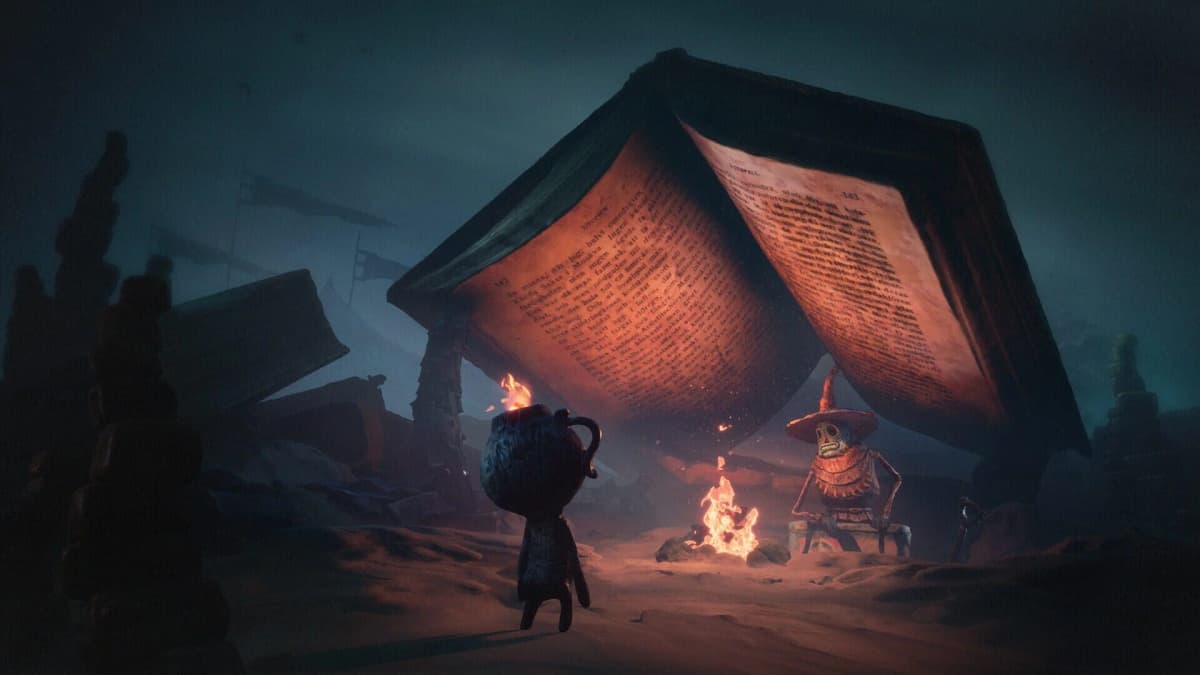
The Midnight Walk is a dark fantasy adventure built physically in clay by developer MoonHood, published by Fast Travel Games — in Fast Travel’s own words, from the minds behind Lost in Random and Fe. It launched on May 8, 2025 on both PC (Steam) and PS5 the same day, with PS VR2 support on PS5. A Nintendo Switch 2 version followed on March 26, 2026. That simultaneous PC and PS5 release is exactly why two scores exist side by side.
A Metacritic number is not a review. It compresses a spread of outlet opinions into a single figure, then surrounds it with excerpts and platform tags. For a presentation-led game like this one, the figure can mislead: critics reward atmosphere and craft heavily, so a 79 here means “a coherent, beautiful, handmade experience” far more than it means “deep mechanics executed perfectly.” Read the number with that in mind.
Read the right platform page
The most common mistake is reading the wrong version. The PC page is 79; the PS5 page is 77. If you search the title and click the first aggregate you see, you can land on impressions that don’t match how you plan to play — especially since PS5 also carries the PS VR2 version, which is a different experience from flatscreen PC.
Before you treat Metacritic as a buying filter, confirm four things:
- The platform on the page header (PC at 79, PS5 at 77).
- The number of critic reviews currently counted.
- Whether the user-review section has enough volume to mean anything yet.
- Whether the excerpts describe flatscreen presentation, VR immersion, or both. If VR matters to you, our VR guide breaks down what the headset version actually changes.
Why early snapshots disagreed with the final score
If you saw a different figure shortly after launch, that’s normal. A community review-thread snapshot recorded “Metacritic: 79 (scores not final; not all reviews counted yet).” That isn’t a contradiction — it’s the aggregate mid-flight, before every outlet had published. The PC page settled at 79 and the PS5 page at 77.
The rule: any score you read in a forum post or roundup is time-sensitive. For the current picture, open the live platform page and read the newest excerpts around it. With a game like this, the exact number matters less than the pattern inside the reviews — and that pattern is remarkably consistent.
What critics agree on
Across the reviews, the same cluster of strengths reappears, and they reinforce each other:
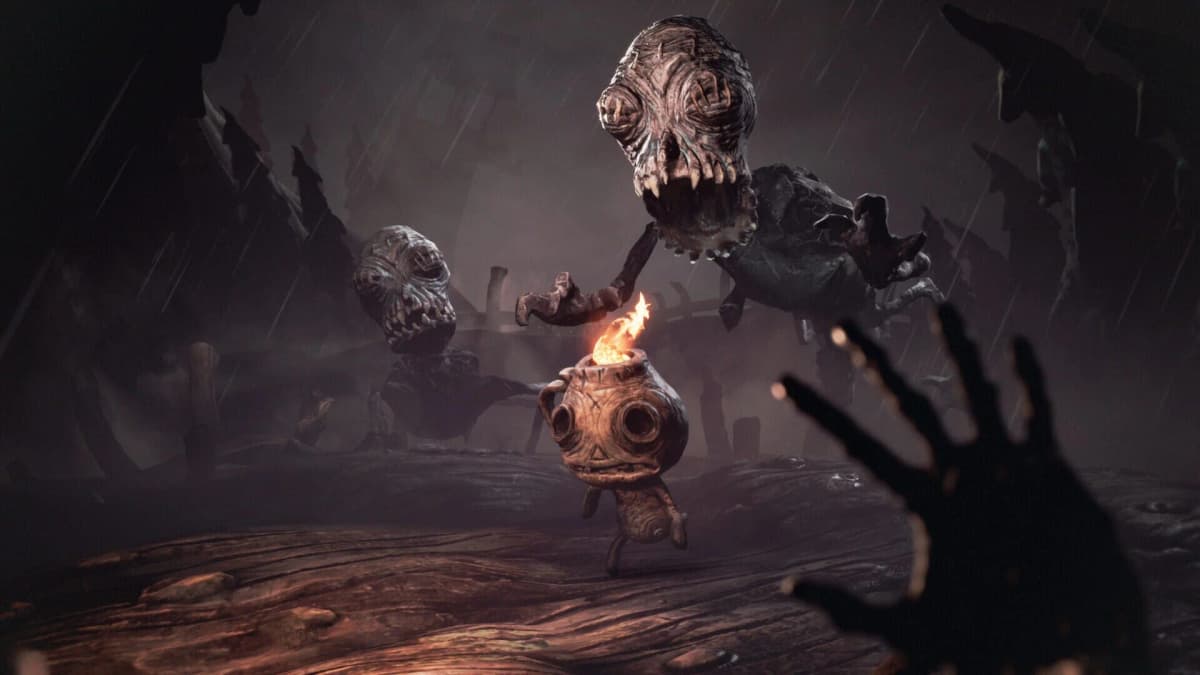
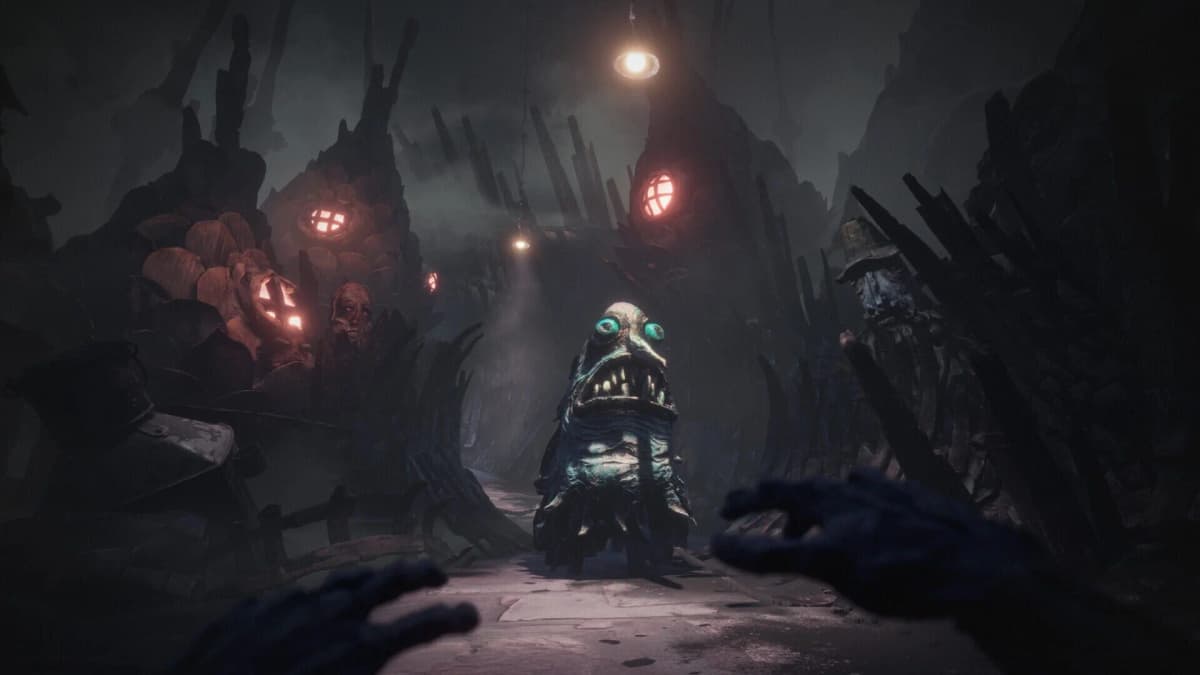
- The clay-crafted visual identity is unusual enough to stand out immediately.
- The sound design carries the world rather than just decorating it.
- The story and tone benefit directly from that handmade aesthetic.
- The atmosphere stays memorable even for critics less sold on its systems.
A 79/77 result for The Midnight Walk signals a game succeeding as a coherent audiovisual work. If that’s what you care about, the reception is highly relevant. If you want dense combat, broad build variety, or long-form systemic play, the same score predicts your experience less well.
Where the reviews split
The softer edge sits where an aggregate flattens detail: length and gameplay depth. The game is widely called gorgeous and deliberately short, which is a value judgment more than a flaw — but it’s the judgment that pulls some scores down. If runtime drives your buying decision, settle it before you buy with our how long to beat it guide rather than guessing from the score.
There’s also a real scoring spread among critics. The praise is broad but not unanimous, and that split is the useful part. When a lower-scored review still compliments the art and sound while questioning depth or runtime, that’s a very different signal from a review flagging technical or structural problems. Here, the first pattern dominates. Metacritic alone won’t tell you which side of that divide you fall on — the excerpts will.
What the user side adds
Early user sentiment tracks the critics: the standout praise is for the story, presentation, and music — the same strengths the reviews single out. That alignment is a good early sign.
Treat it as early, not settled. User sections swing harder than critic averages as more players arrive, and a game with a distinctive aesthetic and a specific pace can divide a broader audience that came expecting something more mechanically dense.
Common mistakes
- Treating one number as the verdict. PC is 79, PS5 is 77 — read the page that matches your platform.
- Trusting a day-one snapshot. The early 79 reading was explicitly “not final.” Check the live page.
- Expecting deep systems. The score rewards presentation; it is not a promise of mechanical depth.
- Ignoring runtime. It’s a short game. Read length comments directly instead of inferring value from the aggregate.
- Skipping VR context. PS5 carries the PS VR2 version; flatscreen and VR impressions are not interchangeable.
Practical takeaway
Use the score as a filter, not a verdict. Start from the right platform page — 79 on PC, 77 on PS5 — confirm the reception is broadly positive, then read the excerpts to see what the praise is actually for. For The Midnight Walk the answer is always the same: clay-crafted visuals, sound, atmosphere, and story. If those are what you want, the reception is highly relevant; if you need mechanical density or a long runtime, weigh the lower-scored reviews and the length comments before you buy.
FinalBoss // Gear
Level up your setup
01Top-rated gaming headsetson Amazon→02High-refresh gaming monitorson Amazon→03Gaming chairson Amazon→04Discounted game keyson Kinguin→
Affiliate links · As an Amazon Associate, FinalBoss earns from qualifying purchases.
Want to Level Up Your Gaming?
Get access to exclusive strategies, hidden tips, and pro-level insights that we don't share publicly.
Ultimate Guide Strategy Guide + Weekly Pro Tips