
The Midnight Walk is not a VR-only game, and that one fact decides everything about how you buy it. It ships as a full flatscreen adventure that also runs in VR on specific platforms, so the only real questions are which headsets are supported, how you actually launch into VR, and whether the headset is worth it for a slow, atmosphere-driven game. This guide answers all three.
Table of Contents (10)
The short version
- VR is optional. Every platform plays the full game flatscreen.
- PS5 is fully playable on a standard screen and in VR with PS VR2 (the headset is optional, not required).
- PC plays flatscreen and supports PC VR headsets, so you launch the same release with or without a headset.
- Nintendo Switch 2 (released March 26, 2026) is flatscreen only. No VR support is documented for it.
- VR here is about presence, not mechanics. It deepens the clay stop-motion world and navigating by Potboy’s flame. It does not turn the game into motion-combat VR.
Which platforms support VR
There are exactly two supported VR routes, and one platform that has none. The split is clean enough that you can decide on hardware before you spend anything.
- PS5 + PS VR2: The official PlayStation page states the game is fully playable both on PS5 and in VR with PS VR2. The headset is an option layered on top of the normal PS5 release, not a separate edition. If you own a PS5 and a PS VR2, you already have everything you need.
- PC + PC VR headset: The PC version is playable flatscreen and supports PC VR headsets. You buy one copy and use compatible hardware to enter VR. This is the route for Quest (via PC link), Valve Index, and other SteamVR-class headsets.
- Switch 2 (flatscreen only): A Switch 2 version released on March 26, 2026, but all official VR statements cover only PS VR2 and PC VR. There is no VR on Switch 2. If VR is your reason for buying, this is not the version to get.
How to set up VR on each platform
Because VR sits at the platform level, setup is about getting your headset talking to the game, not unlocking anything in-game. You do not “find” VR partway through the campaign. It is an access method for the full experience from the start.
PS VR2 on PS5
This is the most direct route. Connect your PS VR2 to the PS5, install the game, and the VR mode is available with no extra runtime or PC stack to manage. Since the headset is optional, you can also play the exact same copy flatscreen on the TV whenever you want. For the full PS VR2 walkthrough, see our PS VR2 guide for The Midnight Walk on PS5.
PC VR (Quest, Index, and other SteamVR headsets)
On PC you launch the game with a PC VR headset connected through your usual runtime. Keep that runtime current before launch, and check the game’s listed VR requirements separately from the flatscreen specs, because VR is more demanding. If you are on a standalone headset like Quest 3, you play over a PC link rather than natively. Our Quest 3 PC VR setup guide walks through that connection step by step.
What VR actually adds
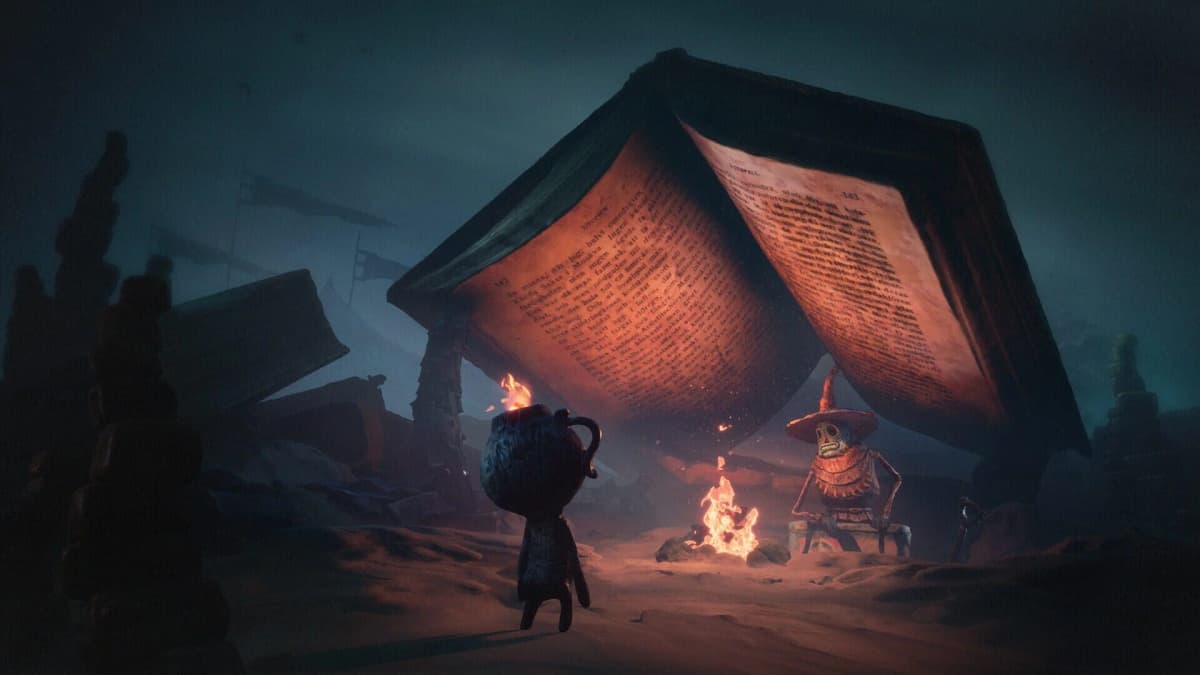
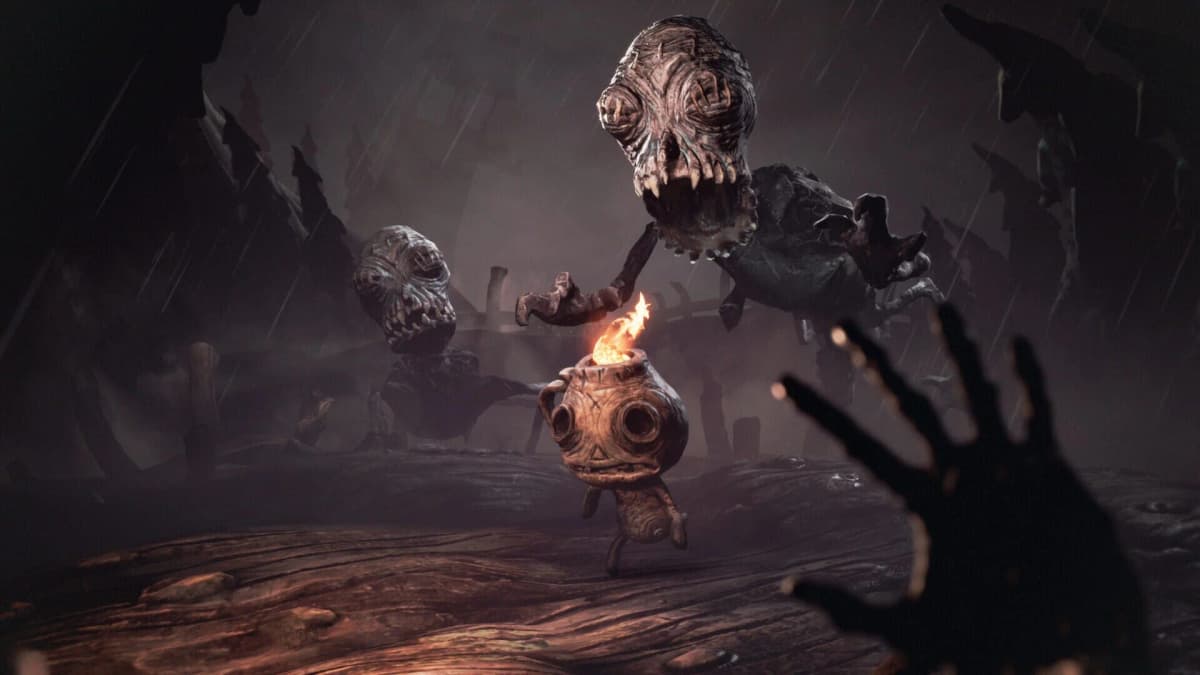
The Midnight Walk is a dark fantasy first-person adventure built from real clay models and presented with a stop-motion look. You play as the Burnt One and travel with Potboy, whose flame is your light through hostile, dimly lit spaces. That is exactly the kind of game VR flatters. The draw is not weapon handling or fast combat. It is moving through darkness by light, reading the space around you, and feeling the distance between safety and threat.
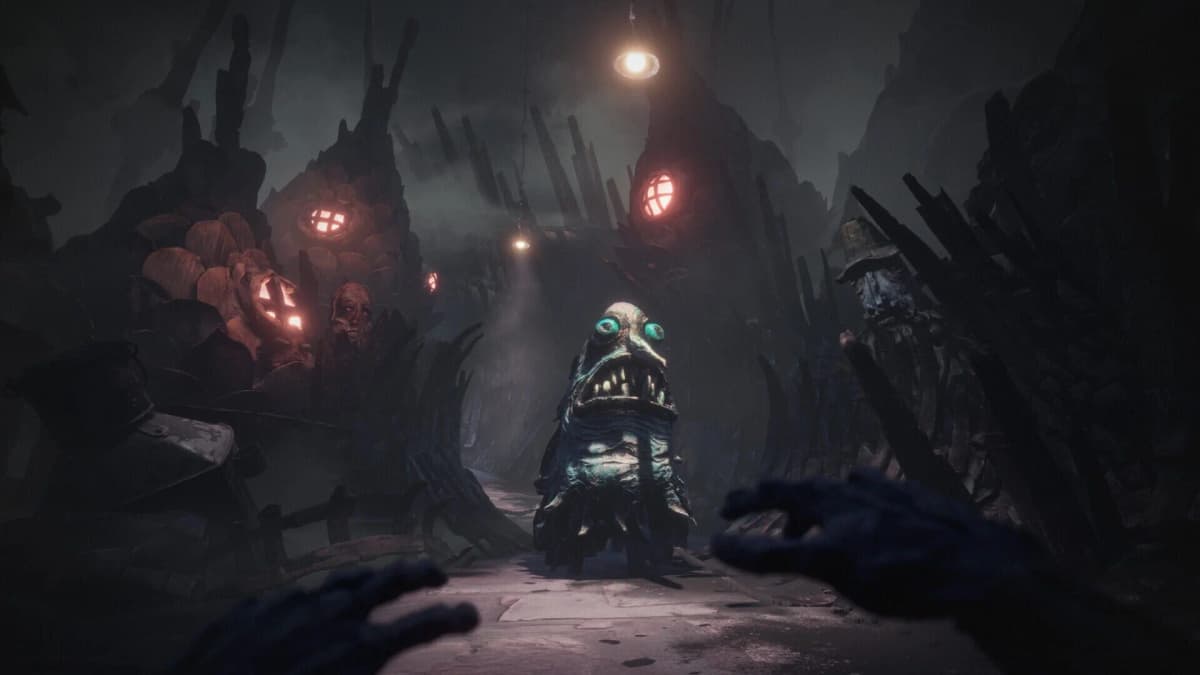
In a headset, the handmade physicality of the world is the payoff: the clay figures, the stop-motion movement, the close environmental detail, and the constant dependence on Potboy’s flame all sit right in front of you. The game’s tone leans toward dreamlike dread rather than constant jump scares, so VR makes it more immersive without turning it into a panic simulator. It stays a guided first-person adventure built on traversal, suspense, and light-based puzzles. The headset raises immediacy. It does not swap in a different genre.
What VR does not turn it into
VR software splits roughly into games built around embodied mechanics and games built around presence. The Midnight Walk is firmly in the second group. If you are expecting motion-combat systems, physics-driven object play, or a hand-interaction showcase, this is the wrong baseline and you will be disappointed. The case for the headset is environmental immersion, full stop. Buy it for the world and the atmosphere, not for mechanical depth.
Who should choose VR, and who should stay flatscreen
- Choose VR if your main interest is atmosphere, scale, and navigating by Potboy’s light through hostile spaces, and you already own a PS VR2 or a capable PC VR headset.
- Choose VR if you want the stop-motion clay presentation to feel spatial and immediate rather than viewed at arm’s length on a screen.
- Choose flatscreen if you mainly want the story, puzzles, and exploration without any headset setup.
- Choose flatscreen if you only have a Switch 2, since that version has no VR at all.
- Choose flatscreen if you expected a mechanically dense VR action game. The design emphasis is elsewhere.
Common mistakes before you buy
- Assuming the game is VR-exclusive because VR footage is everywhere online. It is fully playable flatscreen on every platform.
- Buying the Switch 2 version for VR. It is flatscreen only.
- Treating flatscreen and VR system requirements as interchangeable on PC. The VR specs are separate and heavier. Check them before buying.
- Expecting headset mode to transform the game into combat-focused VR. The strength is presence, not mechanics.
- Forgetting the PS VR2 is optional on PS5. You can play the same copy on the TV any time.
Practical takeaway
Pick the version by your hardware. If you own a PS5 with PS VR2, that is the cleanest VR route. If you are on PC, connect a PC VR headset and check the separate VR requirements first. If you are on Switch 2, accept that you are playing flatscreen, which is still the complete game. Either way, buy The Midnight Walk for the clay-crafted world and the unease of moving through it by Potboy’s flame. Reach for the headset when your hardware is supported and atmosphere, not mechanical complexity, is the reason you want VR on.
FinalBoss // Gear
Level up your setup
01Meta Quest 3on Amazon→02PSVR2 accessorieson Amazon→03Gaming chairson Amazon→
Affiliate links · As an Amazon Associate, FinalBoss earns from qualifying purchases.
Want to Level Up Your Gaming?
Get access to exclusive strategies, hidden tips, and pro-level insights that we don't share publicly.
Ultimate Guide Strategy Guide + Weekly Pro Tips