
If you looked up The Midnight Walk on TV Tropes, you hit a problem fast: there are two pages, the name overlaps with unrelated books, and one wrong click can spoil the game before you have played it. The page you want is the video game entry for the 2025 MoonHood release, and the trick is knowing what each page is for and when to read it.
Table of Contents (12)
The short version
- Two pages exist: the main trope page (
VideoGame/TheMidnightWalk) and a separate YMMV page for fan reactions. - Confirm the game, not a book: the correct entry is the 2025 game by MoonHood, published by Fast Travel Games. Anchor your search to those names.
- The main page is theme-first. Its trope list opens with “Abstract Eater: The Moonbird feeds on stories” — it catalogs imagery and motifs, not puzzle solutions.
- The YMMV page is opinion. Its standout label is “Ugly Cute,” pinned to Potboy.
- Read it after you finish. Both pages are spoiler-dense the deeper you go. Use the top description before playing; save the full list for after.
Which page “The Midnight Walk TV Tropes” actually means
The page you want is VideoGame/TheMidnightWalk — the entry for the 2025 game. The Midnight Walk is an adventure built entirely in clay, developed by MoonHood (the studio formed by the people behind Lost in Random and Fe) and published by Stockholm-based Fast Travel Games. It launched on May 8, 2025 for PlayStation 5 and Windows, with PS VR2 and PC VR support, at $39.99, and came to Nintendo Switch 2 on March 26, 2026.
Those names matter because they are how you confirm you are on the right page. A trope page is not a walkthrough, lore codex, or build guide — it groups recurring ideas, visual motifs, and character types into labels fans use across media. If the page header says “MoonHood” and “Fast Travel Games,” you are in the right place. If it mentions a different author or a novel, you are not. For the human side of the credits, our voice actors guide covers the confirmed cast.
Avoid the easy search mistake
The most common error is treating any similarly named result as related. The title overlaps with unrelated literature — most notably the children’s book Stink and the Midnight Zombie Walk, which is a completely different work and shows up in searches for the game. If you want the game page, search with the full title plus a format marker, for example The Midnight Walk TV Tropes video game, or pair the title with “MoonHood.”
- The correct target is
VideoGame/TheMidnightWalkfor the 2025 game. - The YMMV page is a second, separate page — not part of the main listing.
- Unrelated book results (the Stink zombie story, or titles like The Scarecrow Walks at Midnight) are not connected. We break down the Stink mix-up in our Stink and Zombie guide.
If all you want is a pre-purchase gut check, confirm the header, confirm it is the game entry, and stop. The further you read into the trope list, the more likely you are to spoil creature reveals and tonal turns that the game delivers through atmosphere rather than exposition.
What the main trope page covers
The main page leans hard into atmosphere, style, and creature concepts. Its trope list opens with “Abstract Eater: The Moonbird feeds on stories,” which sets the tone for the whole entry: it is cataloging the game’s surreal, horror-adjacent imagery, not breaking down systems.
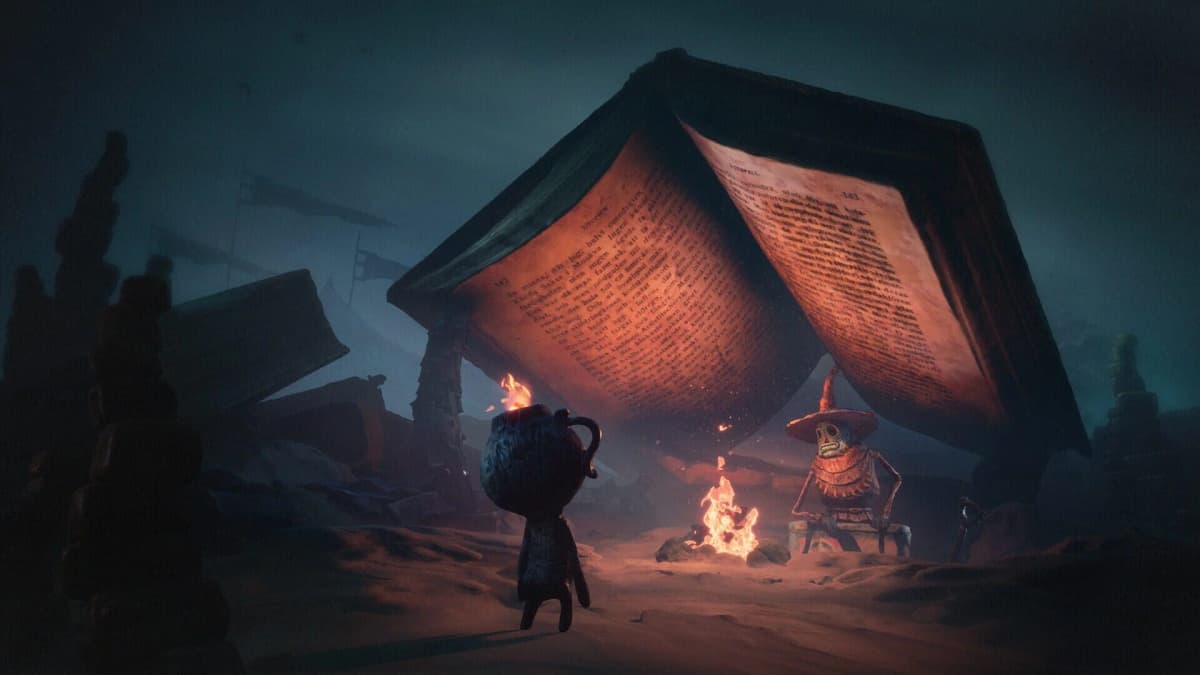
That tells you what kind of read to expect. If you visit hoping for puzzle solutions, chapter routing, or a list of hidden interactions, you will leave empty-handed. If you visit to understand why the game feels distinctive — why Potboy and the surrounding cast stick with people, why the world reads as eerie and tender at once — the page does that job well. Its strongest material falls into a few areas:
- How the all-clay, stop-motion-inspired presentation shapes the game’s identity.
- The companion dynamic built around your lantern creature and light-guided traversal.
- The blend of horror and fairy-tale motifs, without flattening the game into one or the other.
- Recurring imagery and character archetypes players notice but cannot always name.
What the YMMV page adds
The separate YMMV page exists because The Midnight Walk generated enough discussion for fans to sort subjective reactions into their own category. YMMV pages collect opinion, divisive reads, and recurring fan labels — different from the main page, which identifies patterns in the work itself.
The clearest entry is “Ugly Cute,” pinned to Potboy. That is more than a throwaway tag: it points straight at one of the game’s defining talking points — a character design that is deliberately strange, tactile, and a little unsettling while still being endearing. If “cute” and “creepy” each feel incomplete when you describe the game to someone, the YMMV page has already named that tension for you.
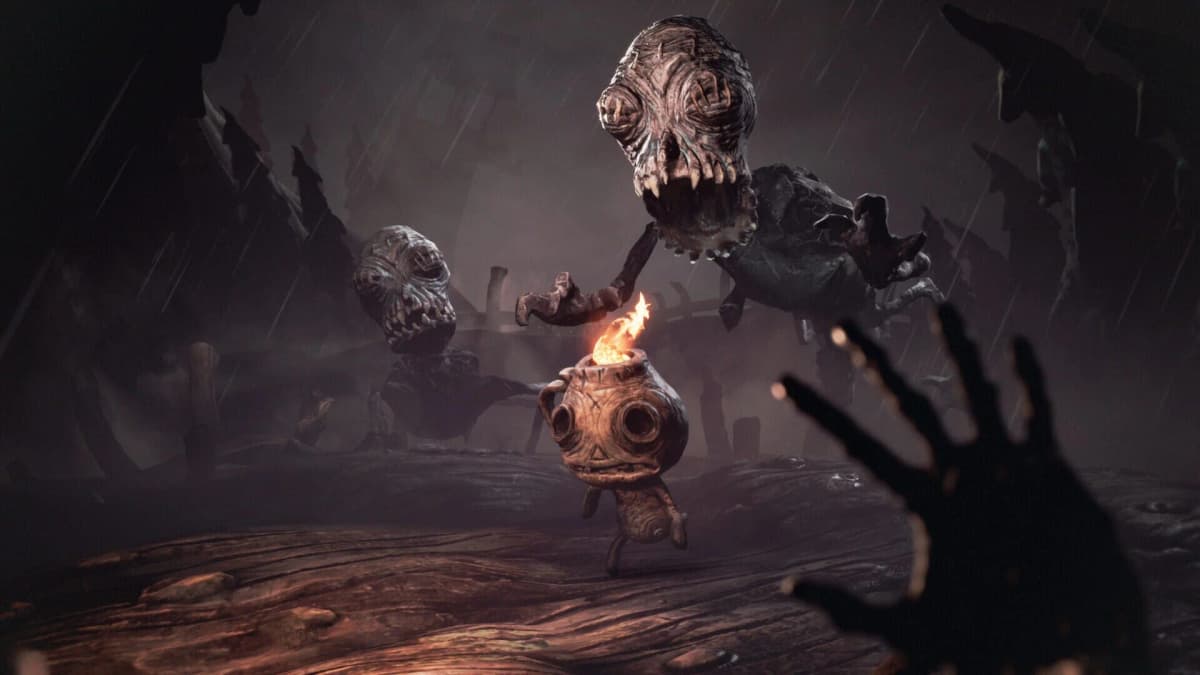
Do not overread it. A YMMV label is not a review score and not a universal truth about how every player will react — it is a signpost for recurring discussion. It works best after you have formed your own opinion, so you can compare your read to the broader fan view without letting the page shape your first impression. For aggregate critical reaction rather than fan tags, see our Metacritic guide.
When to read each page
Because TV Tropes is not an in-game system, timing is everything. When you read it changes how much it helps and how much it spoils.
Before starting
Read only the top-level description: a dark clay-built adventure with a lantern companion and a distinctive handcrafted style. That is enough to decide whether the game’s mood is your speed without spoiling a single scene.
Early to mid playthrough
This is the riskiest time to browse the full list. Trope names look harmless and still reveal where a scene is going. In a game built on atmosphere and gradual tonal escalation, a single label can tip a creature reveal. Treat the page as post-session reading, not live guidance.
After finishing or at a chapter break
This is when the page earns its keep. Use it to reconnect scenes, recognize patterns, and understand why certain moments landed. The YMMV page is also most valuable here, because your reaction is already formed.
TV Tropes vs. a normal game guide
As a player resource, TV Tropes is strong at interpretation and weak at problem-solving. Most people searching “The Midnight Walk TV Tropes” want one of two answers: “what is this page?” or “will it help me play?” The second answer is only partly yes.
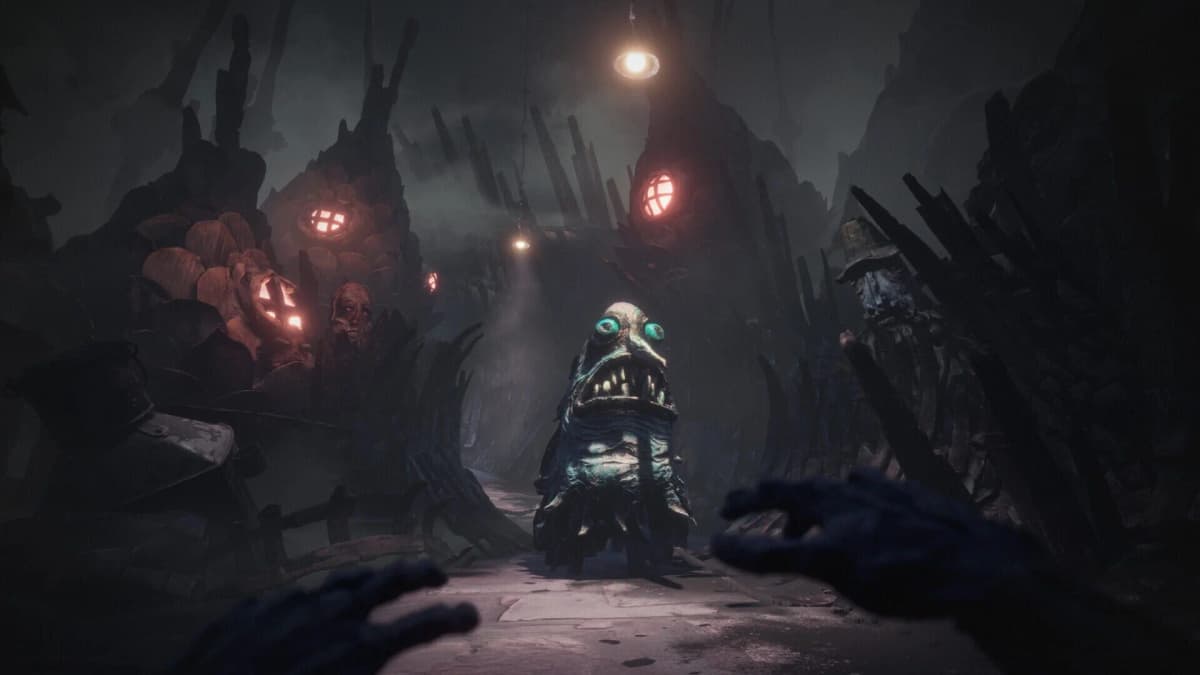
- Useful for tone, character appeal, visual identity, and broad narrative motifs.
- Good for seeing why Potboy and the world design dominate discussion.
- Not a substitute for a walkthrough, puzzle guide, or progression checklist.
- Not the place for mechanical depth — the game emphasizes atmosphere and guided traversal over dense systems.
Common mistakes
- Clicking the first “midnight” result. Confirm “MoonHood” and “Fast Travel Games” before you read — the title collides with unrelated books.
- Reading the full trope list mid-game. The labels are spoilers in disguise. Stick to the top description until you finish.
- Treating a YMMV tag as a verdict. “Ugly Cute” is a fan read, not a score — form your own opinion first.
- Expecting puzzle help. Trope pages interpret the game; they do not solve it.
Practical takeaway
Confirm you are on VideoGame/TheMidnightWalk for the 2025 MoonHood game, read only the top description before you play, and save the full trope list and the YMMV page for after you finish. Used that way — the main page for surreal imagery like “Abstract Eater,” the YMMV page for Potboy’s “Ugly Cute” reputation — TV Tropes is less a strategy guide and more a compact language tool for understanding why The Midnight Walk feels the way it does.
FinalBoss // Gear
Level up your setup
01Top-rated gaming headsetson Amazon→02High-refresh gaming monitorson Amazon→03Gaming chairson Amazon→04Discounted game keyson Kinguin→
Affiliate links · As an Amazon Associate, FinalBoss earns from qualifying purchases.
Want to Level Up Your Gaming?
Get access to exclusive strategies, hidden tips, and pro-level insights that we don't share publicly.
Ultimate Guide Strategy Guide + Weekly Pro Tips