
Punch Cards confuse a lot of Folktails players because they are not a generic colony upgrade and they are not the same thing as the Iron Teeth tech path. They are a Folktails-only consumable that you manufacture and feed to your bots to make them faster. This guide tells you exactly what building makes them, the recipe, and what they actually do to a bot.
Table of Contents (7)
The short version
- Punch Cards are Folktails-only — Iron Teeth cannot use them.
- They are crafted at the Printing Press: 2 Paper + 1 Plank → 2 Punch Cards, in a batch that takes 0.75 in-game hours.
- A bot consumes a Punch Card to raise its “condition” by 1, up to a maximum condition of 2.
- Condition is a general speed boost, not a per-job bonus. A Folktails bot with both faction boosts active moves +80% faster and works +120% faster.
- Bots burn through condition over time, so you need a steady Punch Card supply, not a one-off build.
What Punch Cards actually do
A Punch Card is a consumable a Folktails bot eats to top up a stat called condition. Each card raises a bot’s condition by 1, and condition caps at 2. Condition is not a job-specific buff — it does not make a bot “better at hauling” or “better at building.” It is a flat performance multiplier on everything the bot does.
When a Folktails bot has both of its faction speed boosts running, it moves 80% faster and works 120% faster than a baseline bot. That is the payoff you are paying Paper and Planks for: a fleet of fully-conditioned bots that clears jobs roughly twice as fast as unconditioned ones. Because condition decays with use, the question is never “do I build one Printing Press” — it is “can I keep every working bot topped up.”
This is a Folktails mechanic only. Iron Teeth bots do not use Punch Cards at all, so if you are weighing the two factions, treat bot conditioning as a Folktails-specific logistics cost rather than a universal feature. See how bots scale, fuel, and lifespan work for the wider context of running a bot workforce.
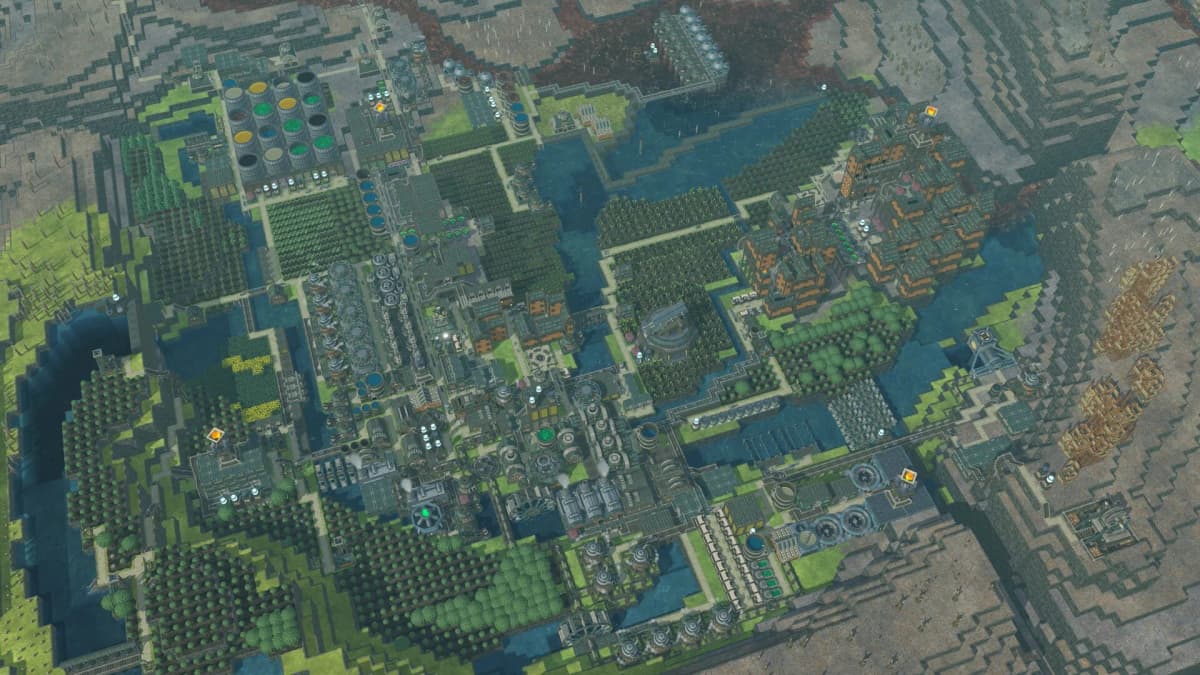
How to make Punch Cards: the Printing Press
Punch Cards come out of the Printing Press. The recipe is 2 Paper + 1 Plank, and it yields 2 Punch Cards per batch. One batch takes 0.75 in-game hours of work time.
That batch time is measured in in-game hours, not real-world minutes, so the throughput you actually see scales with your chosen game speed and with how many beavers (or bots) are staffing the press. Any “X cards every 45 minutes” figure you hear from a video is just that creator’s game speed — the only fixed number is 2 cards per 0.75 in-game hours per active press. If you need more, add staff or add presses.
Because the inputs are Paper and Planks, a Punch Card line is really a mini supply chain: logs → Planks at a lumber mill, plus Paper from your paper production, both feeding the press. Build it once your wood and paper economy is stable, not while you are still scrambling for those base goods.
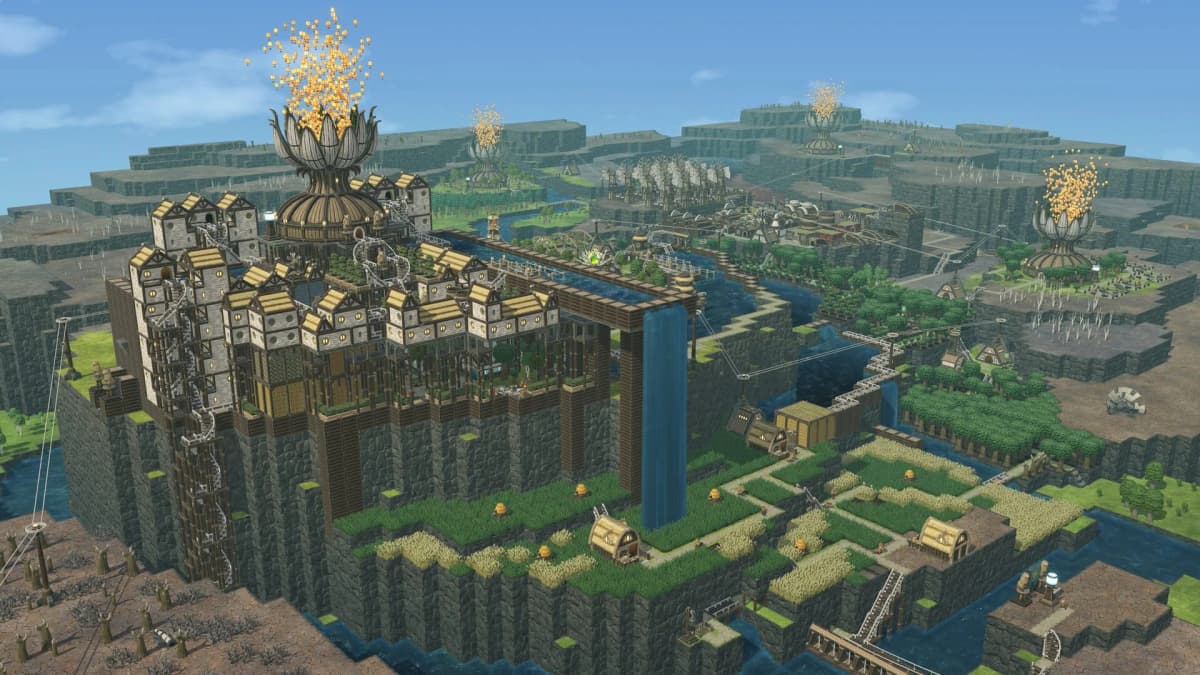
Setting the chain up without wasting resources
- Stabilize Paper and Planks first. The press stalls the moment either input runs dry, and a stalled press means bots dropping back toward condition 0.
- Place the press near your bots’ routes. Conditioning only helps the bots that can actually reach the cards, so keep travel distance short.
- Match press count to your bot count. A single press tops up a small workforce; scale presses (or staff) as you add bots, since every working bot is spending condition.
- Don’t overbuild. A growing stockpile of unused cards means you built ahead of your bot demand — redirect that Paper and Plank capacity elsewhere until the workforce catches up.
When Punch Cards are worth it
Punch Cards pay off when you are running a real bot workforce that is already constantly busy. A +120% working-speed and +80% movement-speed bot is close to two bots’ worth of output, so on always-running, high-volume jobs the cards more than earn back their Paper and Plank cost. The bigger and busier your bot fleet, the better the trade.
Hold off when your automation is thin or your colony is surviving drought to drought. Conditioning a handful of bots that spend half their time idle or starved of inputs is solving the wrong problem — fix routing, supply, and uptime first. The cards reward mature infrastructure; they do not rescue a fragile one.
If you are still deciding which faction to commit to, the bot-conditioning cost is part of the Folktails picture — weigh it against the Iron Teeth approach in our Folktails vs Iron Teeth faction guide, and read the Iron Teeth tech faction guide to see how the other side scales its workers.
Common mistakes
- Treating condition as a per-job buff. It is a flat speed multiplier (up to +80% movement, +120% working speed), so apply it to your whole busy fleet, not one “special” task.
- Building one press and forgetting it. Condition decays as bots work, so a single press will fall behind a large workforce — scale presses with bot count.
- Starting before Paper and Planks are stable. The recipe is 2 Paper + 1 Plank; if those base goods are shaky, the press just starves and the cards never reach your bots.
- Expecting it on Iron Teeth. Punch Cards are Folktails-only. Iron Teeth bots cannot use them.
- Trusting real-time rate claims. The fixed figure is 2 cards per 0.75 in-game hours; any “per 45 minutes” number depends on game speed.
Practical takeaway
Build a Printing Press once your Paper and Plank supply is steady, keep it staffed, and let it feed Punch Cards to a bot workforce that is already busy. Each card lifts a bot’s condition by 1 (max 2), and a fully-conditioned Folktails bot moves +80% faster and works +120% faster. Scale your presses with your bot count so condition never lapses, and skip the whole system entirely if you are playing Iron Teeth. Done right, Punch Cards turn a functional Folktails bot fleet into one that clears jobs at nearly double speed.
FinalBoss // Gear
Level up your setup
01Graphics cardson Amazon→02Gaming laptopson Amazon→03High-refresh gaming monitorson Amazon→04Discounted game keyson Kinguin→Affiliate links · As an Amazon Associate, FinalBoss earns from qualifying purchases.
Want to Level Up Your Gaming?
Get access to exclusive strategies, hidden tips, and pro-level insights that we don't share publicly.
Ultimate Guide Strategy Guide + Weekly Pro Tips