
If you searched for a Timberborn Wikipedia page, you are probably trying to do one of two things: confirm what the game actually is before buying it, or find a reference that will help you play. Those are two different jobs, and one page cannot do both. Wikipedia tells you what Timberborn is and who made it. It will not teach you how to survive a drought or build a working district. For that, you want the dedicated Timberborn wiki and focused gameplay guides.
Table of Contents (7)
The short version
- There is no in-game “Wikipedia” in Timberborn. People search the term to either vet the game or find a reference.
- Use Wikipedia for facts: Timberborn is a city-building and survival game developed and published by Mechanistry, built on the Unity engine, and it entered Early Access on September 15, 2021.
- Use the Timberborn wiki for mechanics: building costs, water systems, faction differences, and production chains.
- Use focused guides for execution: how to handle your first drought, what to prioritize early, and which faction to pick.
What Wikipedia actually gets right about Timberborn
Wikipedia is the cleanest place to confirm the headline facts, and the facts it gives you are correct. Timberborn is a city-building and survival sim where humans are gone and beavers are rebuilding society. It is developed and published by Mechanistry, it runs on the Unity engine, and it entered Early Access on September 15, 2021. If you are deciding whether to buy it or just remembering what it is, that is everything you need.
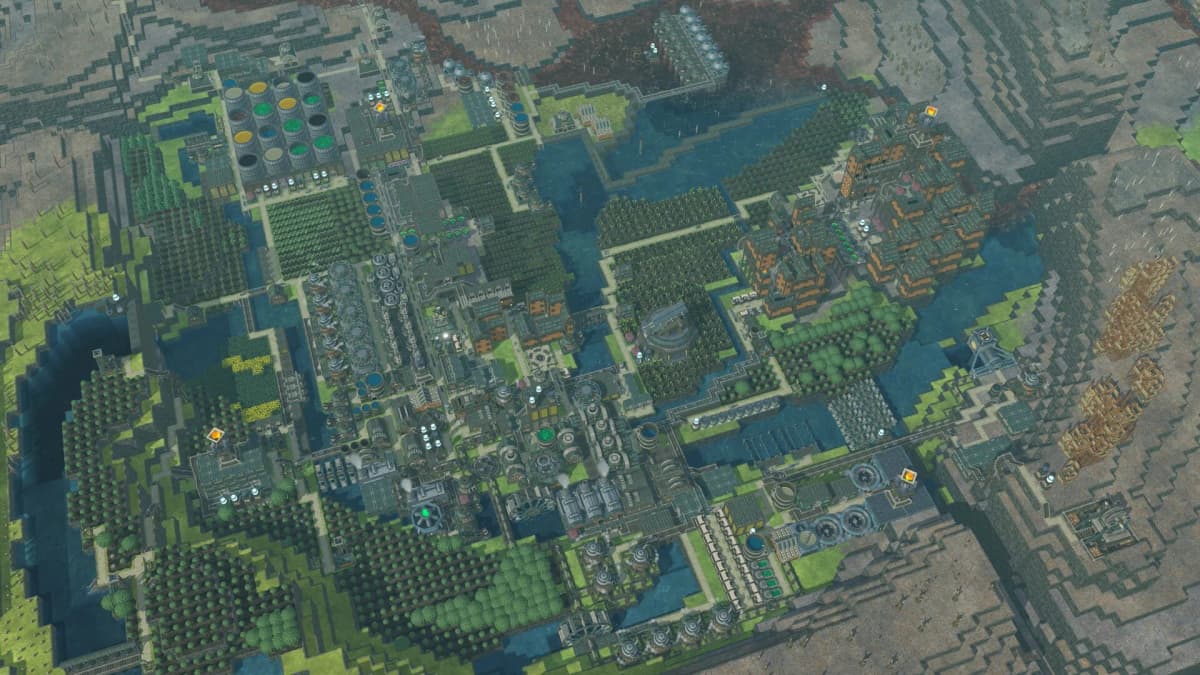
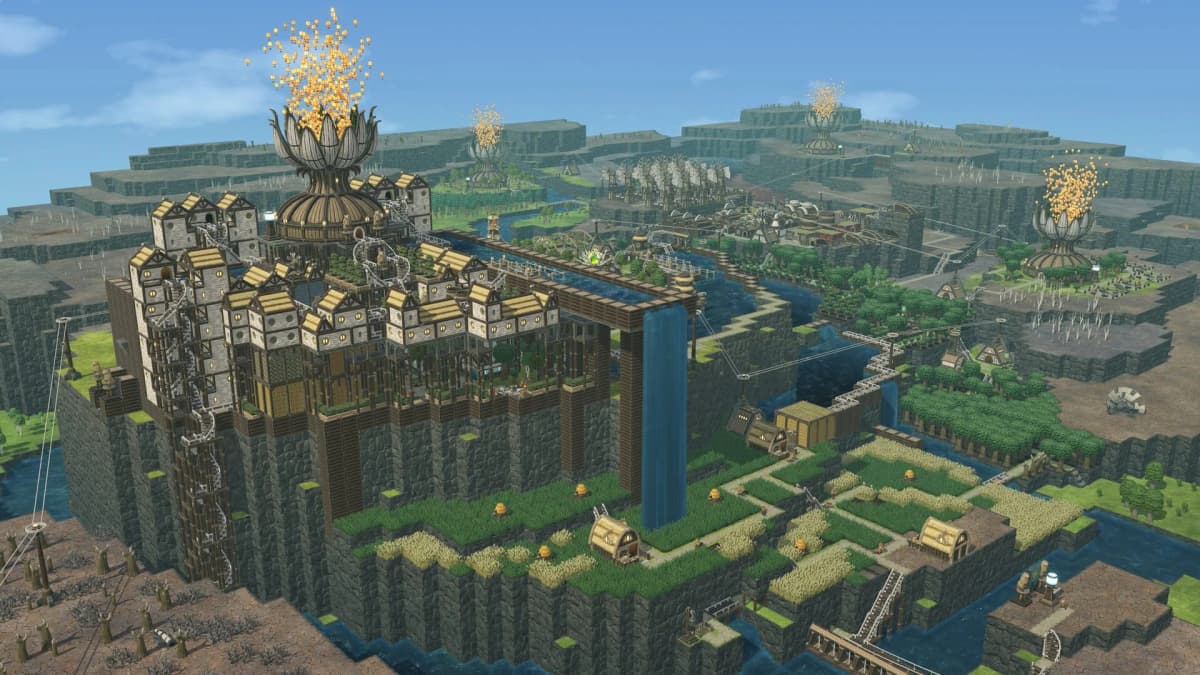
The framing matters more than it looks. The defining system in Timberborn is not placing houses and watching numbers climb — it is water. You dam rivers, route reservoirs, and plan around recurring droughts so your colony survives the dry season while it grows. Come in treating the river as scenery and your first settlement will stall fast.
Where Wikipedia stops being enough
An encyclopedia entry tells you what a game is, not how it behaves once your beavers hit a dry season. It will not warn you about the small rules that quietly cost you in the opening hours. A clear example: a lumberjack flag only cuts trees inside its own working range. Workers assigned to that flag will only fell reachable, marked trees within the visible area — so dropping a flag far from your trees, or expecting it to clear the whole map, leaves your wood economy starved. Foresters are a separate building: they only plant within their own radius and do not cut at all. Mixing those two roles up is one of the most common early mistakes.
That kind of mechanical detail is the line where you should leave Wikipedia. The questions that actually decide whether a colony lives — how to store enough water for a drought, when to start shaping terrain, which faction fits your plan — belong to the dedicated Timberborn wiki and to guides built for play.
Use the right source for the question
Treat these as three tools, not rivals:
- Wikipedia is a snapshot. Premise, developer, engine, release history. Stable, neutral, shallow.
- The Timberborn wiki is a reference manual. Building pages, water mechanics, faction trees, production chains, named systems.
- Focused guides are for execution. They tell you what to do first and in what order — which an encyclopedia page is not built to do.
If your question is “What is Timberborn?” Wikipedia answers it in a paragraph. The moment your question becomes “Why did my wood economy stall?” or “How do I survive the first drought?” you are already past what Wikipedia is for. For the questions players actually get stuck on, start with these:
- For surviving the dry season, read our first drought starter guide.
- For early priorities on water, food, and timing, see the best early tips guide.
- For picking a side, compare the factions in our Folktails vs Iron Teeth guide.
How to read any Timberborn wiki page safely
Timberborn has changed a lot across Early Access, so not every page ages at the same speed. When you use any wiki-style resource for gameplay help, read it with a filter:
- Check the page date. A page can describe the right building but the wrong priority if it was written for an older version.
- Separate description from advice. Building costs and functions are factual; “always do this first” claims are opinion and go stale faster.
- Trust stable fundamentals. Terrain control, water storage, pathing, and work-radius awareness stay relevant even when balance shifts.
Common mistakes
- Treating Wikipedia as a strategy guide. It confirms what the game is and stops there.
- Expecting a lumberjack flag to clear the whole map — it only cuts marked, reachable trees inside its working range.
- Confusing foresters with lumberjacks. Foresters plant within their radius; they never cut.
- Following an old wiki page without checking when it was written, then applying outdated priorities.
- Ignoring water and terrain early because the genre summary made it sound like a standard colony sim.
Practical takeaway
Use Wikipedia as the front door: it confirms that Timberborn is a Mechanistry-built, Unity-powered city-builder that has been in Early Access since September 15, 2021, and that water management is the point. Then leave. For buildings and systems, use the dedicated Timberborn wiki; for actually surviving droughts and building efficient districts, use focused guides. The more your question depends on map layout, timing, work radius, or version-specific systems, the faster you should move past Wikipedia — and Timberborn is built almost entirely out of those questions.
FinalBoss // Gear
Level up your setup
01Graphics cardson Amazon→02Gaming laptopson Amazon→03High-refresh gaming monitorson Amazon→04Discounted game keyson Kinguin→
Affiliate links · As an Amazon Associate, FinalBoss earns from qualifying purchases.
Want to Level Up Your Gaming?
Get access to exclusive strategies, hidden tips, and pro-level insights that we don't share publicly.
Ultimate Guide Strategy Guide + Weekly Pro Tips