
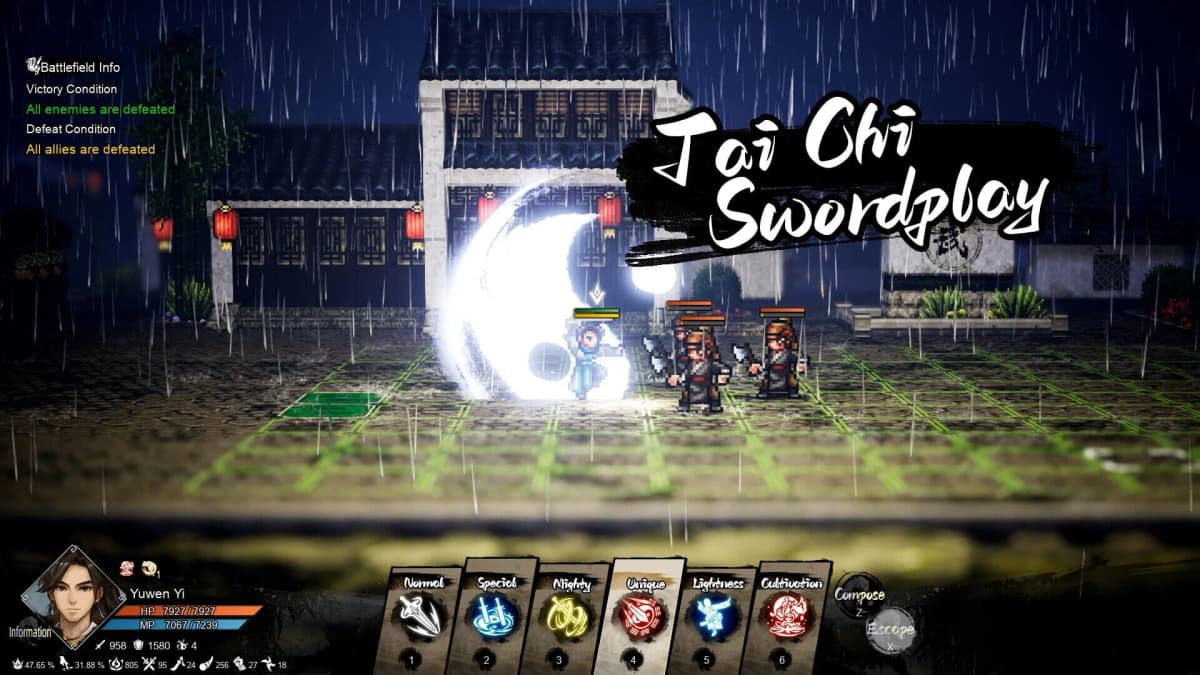
Companions in Wandering Sword are not a shop menu where everyone waits politely until you are ready. Recruitment is tied to story progress, side quests, and a hard Affinity number, and a few allies can slip out of reach if you push the plot too fast. Here is the part most first runs get wrong: the “safe first pick” everyone names is actually a mid-game recruit, and the real gate is a single fixed value you can plan around.
Table of Contents (12)
The short version
- The permanent-recruit Affinity gate is 60. An NPC must show the fiery icon and reach Affinity 60 with Yi before they will join for good. Hitting 40 only opens intermediate side quests; 70+ unlocks extra moves and quests, not the base recruit.
- Your earliest companions are Wei Huo and Bai Jin — both available from the start, not later.
- Bai Jin is a Hidden Weapons specialist and can stay in your party for the entire game.
- Wei Huo is an early frontliner, not a long-term tank. He gets outpaced after a few hours of play.
- Shangguan Hong (Sword) is a mid-game recruit, available only after you join Wudang — so do not wait on her as your “first” ally.
- Sweep each hub and keep rolling saves before major story transitions so a recruit window never closes behind you.
How companion recruitment actually works
Wandering Sword ties recruitment to a mix of chapter progress, local quest resolution, and Affinity with Yi, the protagonist. Some allies join through the main story, some are side-quest rewards, and the permanent join always needs one specific thing: the character must display the fiery affinity icon and reach Affinity 60. That is the gate. Lower readings like 40 only unlock intermediate steps such as Shangguan Hong’s Dance at Qingu Sect; readings of 70 and up add extra moves or quests. None of those replace the 60 threshold for the permanent recruit.
The biggest risk is not forgetting a name. It is advancing the plot past a point where an NPC relocates or a quest chain closes. Detoxification story beats, returning to a city, and map-edge transitions can all push the script forward. If an area feels like a chapter checkpoint, treat it as a recruitment checkpoint too.
- Finish named side quests in the current hub before the next main-story push.
- Raise Affinity to 60 and confirm the fiery icon is showing before you expect anyone to join permanently.
- Keep a manual save before entering a new region or triggering a major cutscene.
- If someone will not join, check Affinity and any unresolved quest step before assuming they are gone.
The earliest companions: Wei Huo and Bai Jin
Both of these allies are available from the start, which makes them your real first recruits — not the names that get repeated in generic tier lists.
Wei Huo: your first frontliner, with a shelf life
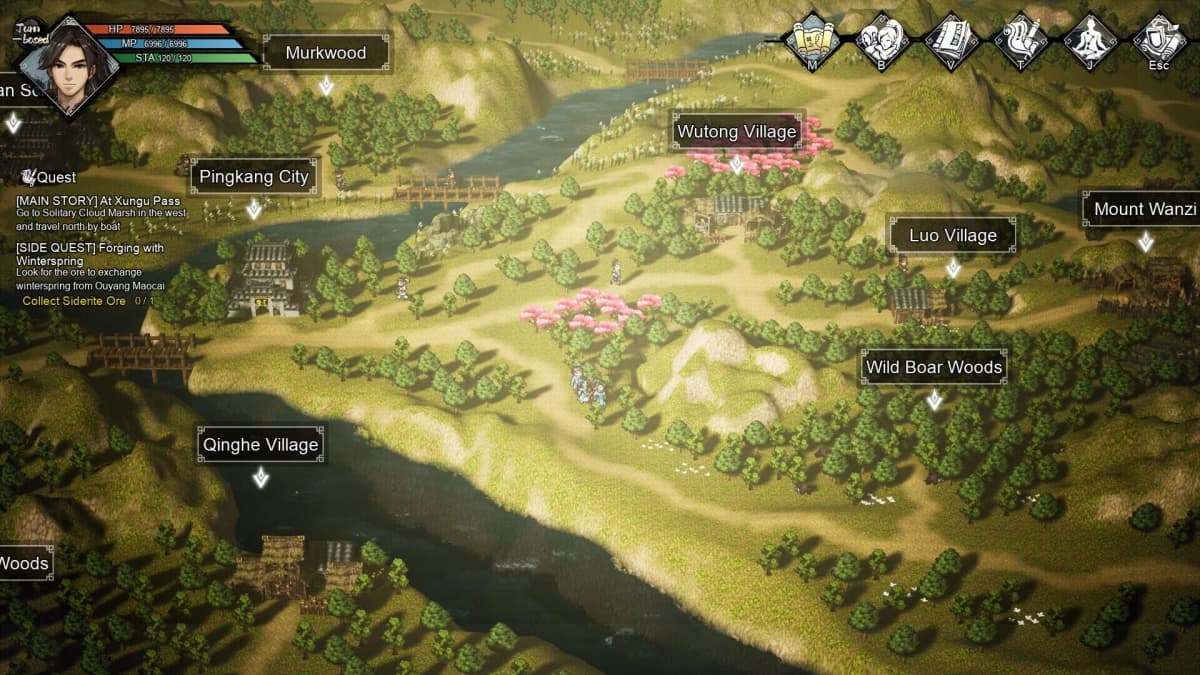
Wei Huo is the earliest “From Start” companion. You find him in Wutong Village during the Detoxifying Items quest, so he naturally slots into your opening party. Use him, but do not build your long game around him: he gets outpaced by other party members after a few hours of play. Treat him as early-game frontline value, not the durable anchor your endgame team needs.
Bai Jin: a Hidden Weapons specialist for the whole run
Bai Jin is also recruitable from the start and, unlike Wei Huo, can stay with Yi for the entire game. She is a Hidden Weapons class, which makes her a ranged, status-and-burst option rather than a brawler. That toolkit keeps earning its slot well past the early hours, so she is worth investing in once you confirm she fits your formation.
Shangguan Hong is a mid-game recruit, not a first pick
If you have read that Shangguan Hong is the safest “first” companion, ignore it. She only becomes available after you join Wudang, well into the mid-game, through the Valuable Toad Epidermis and Dance at Qingu Sect quests. The Dance at Qingu Sect step is an Affinity-40 intermediate quest — proof that 40 is not the recruit gate, just a milestone on the way to it. Shangguan Hong is a Sword-type companion and a strong addition, but she cannot anchor your opening roster because she is not there yet. Plan your early team around Wei Huo and Bai Jin, then fold her in when Wudang opens up.
How to raise Affinity to the 60 gate
Affinity is the central recruitment stat, so it deserves real attention rather than being treated as a background number. To reach the 60 threshold that unlocks a permanent recruit, complete the character’s personal side quests, keep talking to them after each local quest update, and watch for the fiery icon that signals they are ready. If a character’s story looks finished but the join prompt is missing, Affinity is almost always the reason — they are sitting below 60. Push past 70 only if you specifically want the extra moves and quests that higher Affinity unlocks; they are a bonus, not a requirement to recruit. For the weapon styles each companion can grow into, our best weapon guide for early and late game pairs well with this.
Building a balanced team instead of a pile of damage
The easiest roster mistake in Wandering Sword is stacking characters who all solve the same problem. You can win easy fights that way, then hit a wall the moment an enemy punishes your weakest lane. A progression-friendly party covers jobs, not just power ratings, and the classes you already have point the way: a Hidden Weapons specialist like Bai Jin handles ranged pressure and status, a Sword type like Shangguan Hong covers consistent melee output, and an early frontliner like Wei Huo soaks the opening rounds until a sturdier replacement arrives.
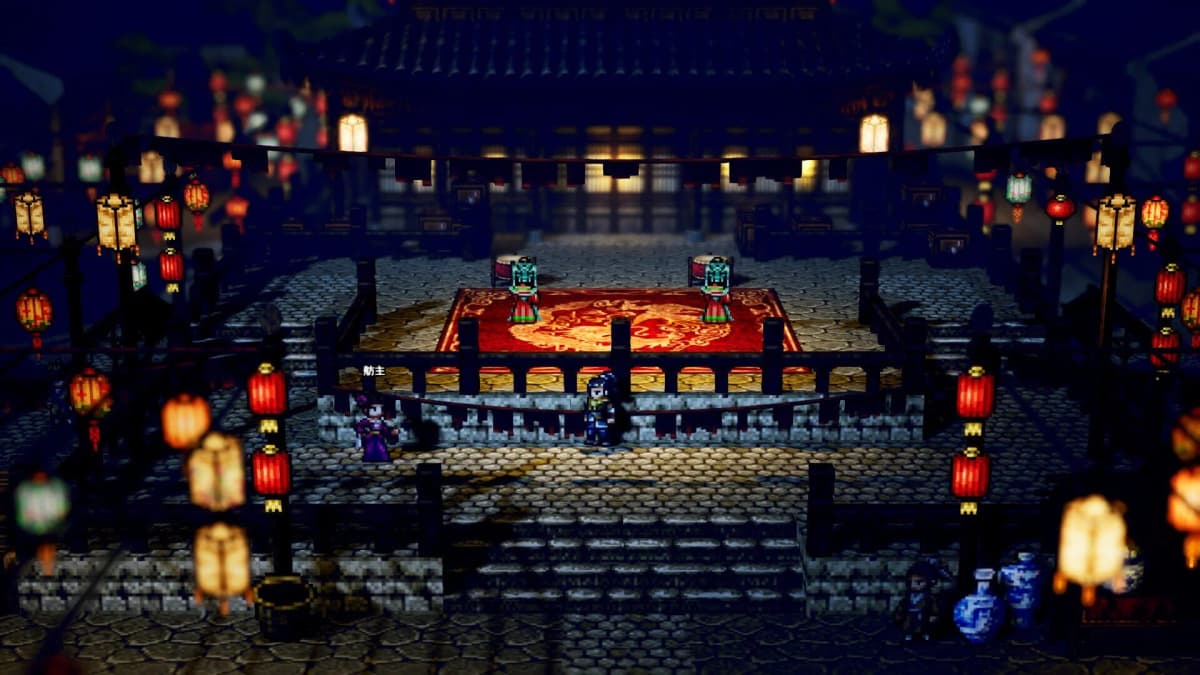
- A durable front line: someone who survives pressure and keeps enemy attention off your fragile attackers. Wei Huo fills this early; swap in a sturdier ally once he falls off.
- A ranged or status threat: Bai Jin’s Hidden Weapons toolkit covers this for the entire game.
- Consistent melee damage: a Sword type such as Shangguan Hong once she joins after Wudang.
- A flexible slot: your answer to encounter-specific needs, whether that means extra control, sustain, or a favored weapon style.
Ask “what does this companion fix?” instead of “is this companion strong?” If a recruit overlaps heavily with two people you already field, they are a bench candidate no matter how good the stats look. For roster shapes tuned to each part of the campaign, see our guide on how to build the best teams by story stage.
Spending Meridian and equipment upgrades without wasting them
Progression gets harder when you spread upgrades across too many companions too early. Invest in the characters you actually field, not the ones you merely own. Meridian upgrades and good gear are limited, so think in tiers: your most-used core stays ahead, and backups only need enough to function when subbed in.
- Fund your permanent core first — Bai Jin earns it because she stays viable all game.
- Keep your main damage source and your front line reasonably close in investment.
- Do not pour premium upgrades into Wei Huo long-term, since he is meant to be replaced.
- Give situational picks practical baseline gear rather than your best pieces.
Common mistakes that cost you companions
- Treating 40 Affinity as the recruit gate. The permanent threshold is 60 with the fiery icon. Forty only opens intermediate quests.
- Waiting on Shangguan Hong as a starter. She is a mid-game, post-Wudang recruit — build around Wei Huo and Bai Jin first.
- Investing long-term in Wei Huo. He is outpaced after a few hours; plan a replacement.
- Pushing the main story past unfinished side content, which gambles with recruitment windows.
- Building only for damage, then collapsing the moment the game tests survivability.
If a companion will not join when you expect
Work the blockers in order. First, confirm the character’s side quest is fully resolved, not sitting on an intermediate step. Second, check Affinity — if it is below 60 or the fiery icon is missing, that is your answer. Third, re-check the area after any nearby story update, since some join prompts only appear once dialogue states refresh. If none of that works, load the last pre-transition save instead of hoping the recruit reappears later. For the full cast and where each one shows up, our guide to recruiting every character lists them all.
Practical takeaway
Recruit Wei Huo and Bai Jin from the start, drive each companion’s Affinity to 60 before you expect a permanent join, and fold Shangguan Hong in once Wudang opens. Field a balanced team — a front line, Bai Jin’s ranged threat, melee damage, and a flexible slot — and pour upgrades into the core you actually play. Treat side content as the real roster screen, keep a save before every major story beat, and Wandering Sword‘s recruitment system stops being punishing.
FinalBoss // Gear
Level up your setup
01Top-rated gaming headsetson Amazon→02High-refresh gaming monitorson Amazon→03Gaming chairson Amazon→04Discounted game keyson Kinguin→
Affiliate links · As an Amazon Associate, FinalBoss earns from qualifying purchases.
Want to Level Up Your Gaming?
Get access to exclusive strategies, hidden tips, and pro-level insights that we don't share publicly.
Ultimate Guide Strategy Guide + Weekly Pro Tips