
Wandering Sword reads like a self-contained wuxia RPG: you push through the main story, recruit companions, sharpen your martial arts, and steer toward one of the endings. Secrets of the Eastern Sea changes that frame. It is not a sequel and not a standalone game. Its official Steam listing describes a brand-new adventure set beyond the main storyline, built around a mysterious girl, a secret island, and forgotten skills. That single line tells you how to treat it: as a late-game extension of your existing save, not a fresh campaign.
Table of Contents (7)
The short version
- What it is: a story expansion set beyond the main storyline, centered on a mysterious girl, a secret island, and forgotten skills.
- The headline new content: a new companion, Bu Weiyue, a fan-wielding divination maiden who carries the Qingyun Fan Technique tied to the lore of Master Qingyun.
- When to start it: after your file is well-developed. It is built to sit after, or very late alongside, the base game’s core arc.
- Two confirmed extras: Shangguan Hong and Sima Ling get new DLC outfits, unlocked through the Inheritance Vault appearance tab.
- How to play safe: wrap up companion content you care about and keep a manual save before major travel decisions.
What Secrets of the Eastern Sea actually is
The Steam DLC page frames Secrets of the Eastern Sea as a brand-new adventure set beyond the main storyline, built on three pillars: a mysterious girl, a secret island, and forgotten skills. That tells you the expansion’s role inside Wandering Sword right away. This is not a challenge arena or a thin cosmetics pack. It is a new narrative branch with its own places, discoveries, and lore.
The mysterious girl has a name: Bu Weiyue. She joins as a companion and wields the Qingyun Fan Technique, the legendary fan art connected to Master Qingyun. That is the real center of the mystery, not a vague “legacy hunt.” When you read about the DLC, anchor it on Bu Weiyue and the Qingyun lineage rather than generic treasure-trail language, because that is the thread the new content actually follows.
If you came to Wandering Sword purely for combat efficiency, you may misread the expansion at first. Its value is in worldbuilding and a new companion, not just in fights or raw power. It broadens the setting and gives the late game an exploratory, lore-driven structure where place and history carry as much weight as battle pacing.
How to get it and when to start it
Secrets of the Eastern Sea is a DLC story expansion, so you need the base game first. On PC, you buy it from the Eastern Sea DLC listing attached to Wandering Sword on Steam. There is no separate product to launch and no standalone side campaign to start.
Timing is the part that takes judgment. The “beyond the main storyline” framing points to a late placement, so treat the DLC as endgame content tied to a developed file rather than something you dip into early. The safest approach is the same one any branching wuxia RPG rewards: keep manual saves before big travel and decision points so you never lock yourself out of a scene you wanted.
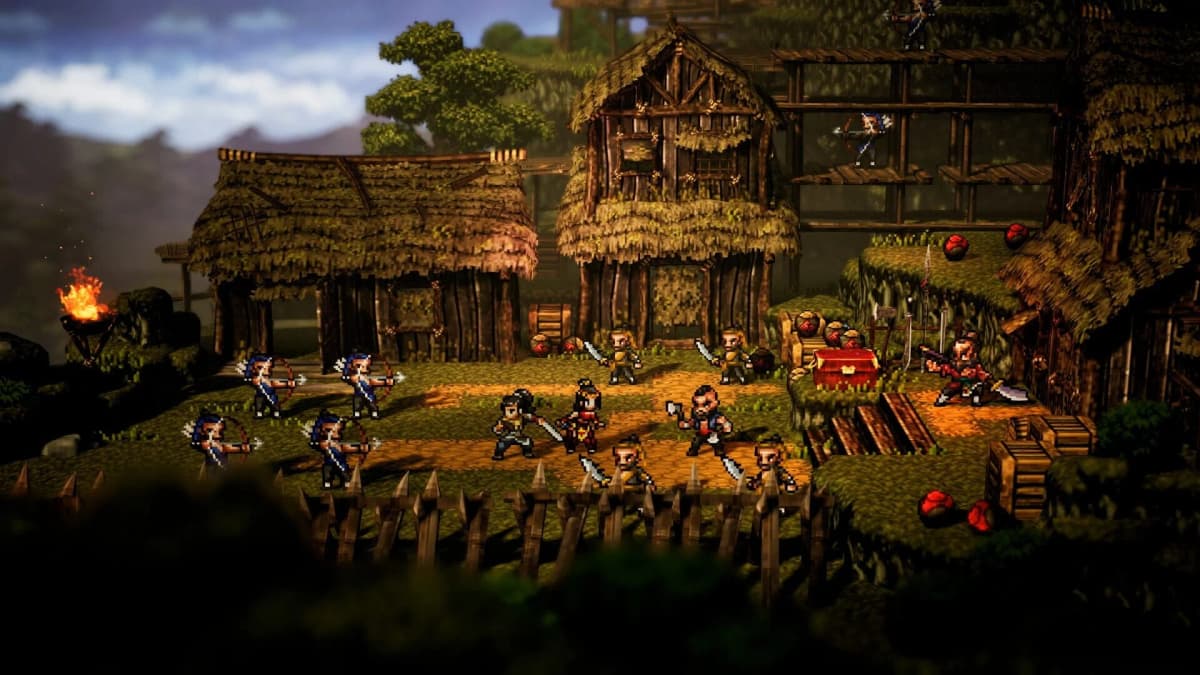
- Use a progressed save. The DLC is framed as beyond the main story, so do not treat it like early optional content.
- Finish companion scenes you care about first. Bring a settled file rather than a half-finished one.
- Keep a manual save before major travel choices. That protects you if a branch turns out to be more restrictive than you expected.
- Do not rush the trigger just because it appears. The expansion rewards you most when you can follow its threads without unfinished base-game priorities pulling at you.
If you want a one-line rule: enter Eastern Sea only once the base game feels substantially settled on your save. For help deciding which companions to lock in before that point, see our guide to recruiting every character.
The new companion and skill
The single most useful thing to know going in is who you are chasing. Bu Weiyue is the fan-wielding divination maiden at the heart of the expansion, and her kit is the Qingyun Fan Technique — the fan art tied to Master Qingyun. Earlier coverage of this DLC mislabeled the central figure as “Master King Yun,” which does not exist in Wandering Sword. The lineage you are actually uncovering is Master Qingyun’s, and the payoff is Bu Weiyue joining your roster.
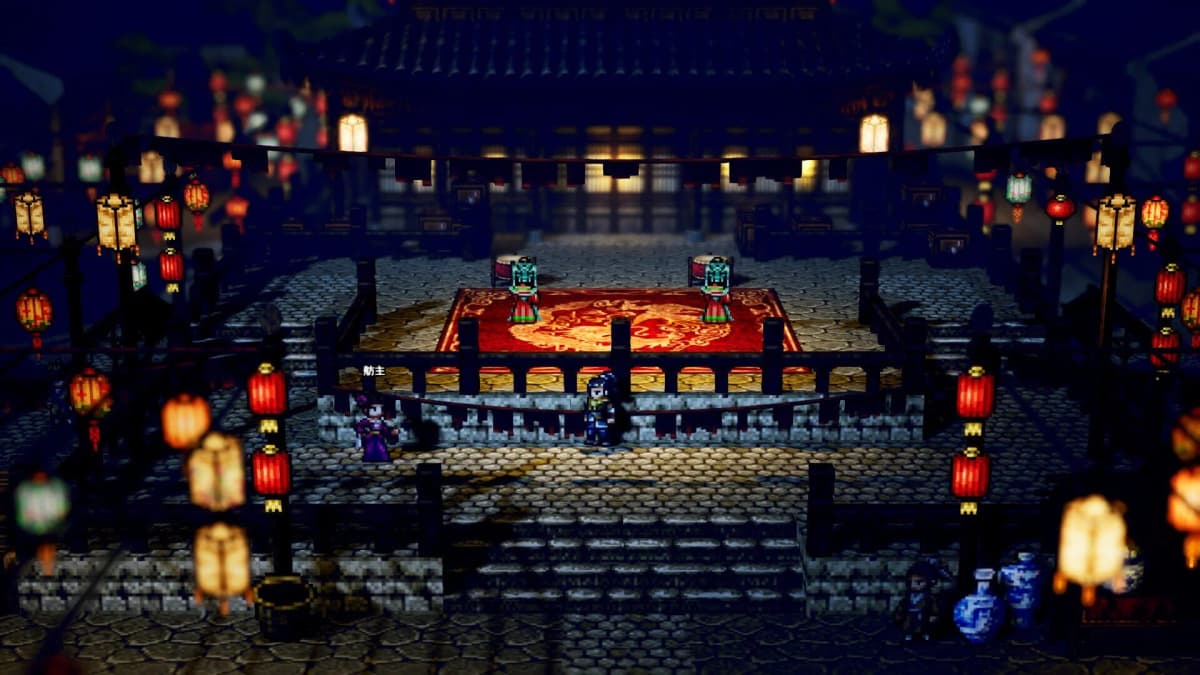
Because she arrives as a new companion, treat the DLC as a roster decision, not just a story detour. If you intend to fold Bu Weiyue and the Qingyun Fan Technique into your endgame lineup, it is worth bringing a file that already has room to slot a new fighter in. Our team-building guide by story stage covers how to fit a new companion into a late-game party without unwinding what already works.
Story-order and save discipline
Eastern Sea touches confirmed base-game locations, including Gusu and Immortal’s Crossing, so the order in which you reach them on a given file is worth being deliberate about. There is no authoritatively documented hard cutoff that ruins the DLC if you arrive “too early,” so do not panic about a single wrong step. The sensible play is simply to keep options open: hold a manual save before committing to Eastern Sea progression, and resolve ongoing companion business first.
Two characters get a concrete, confirmed bonus from the expansion: Shangguan Hong and Sima Ling each receive a new DLC outfit, unlockable through the Inheritance Vault appearance tab. These are cosmetic appearance unlocks rather than major mechanical upgrades, so weigh them as a nice extra, not a reason to reshape your build.
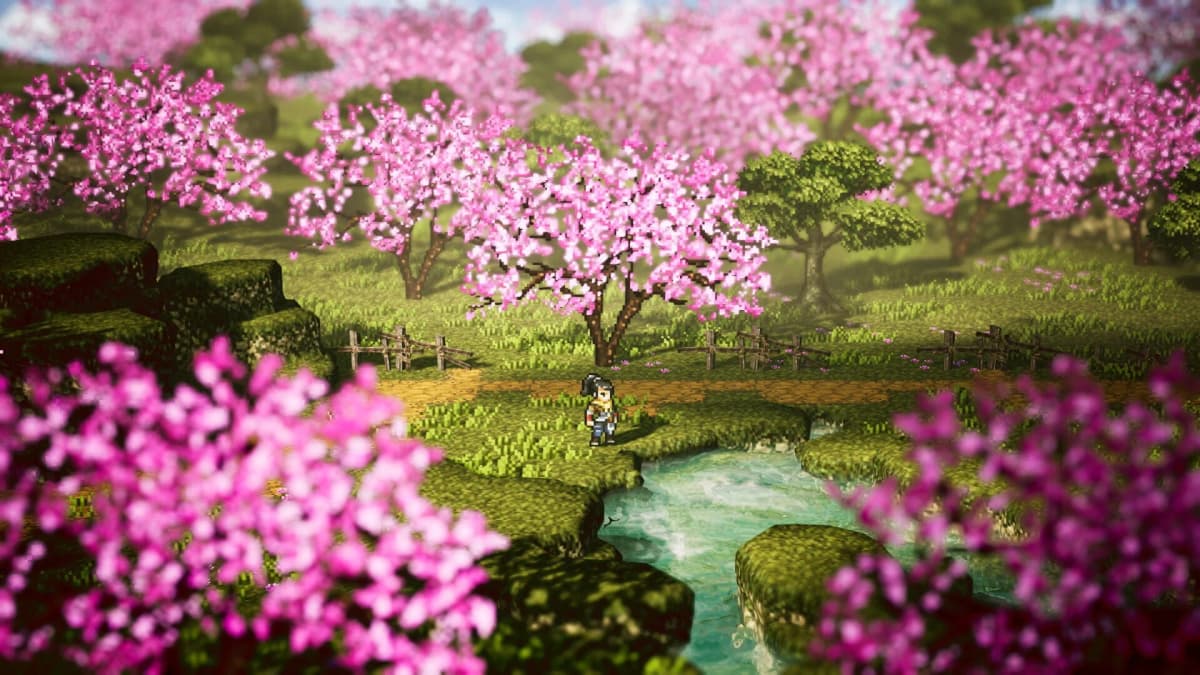
The cheapest insurance against any branch surprise is buffer saves. Wrap up companion arcs, keep a manual save before the boat decision involving Bu Weiyue, and be deliberate about entering Gusu or Immortal’s Crossing only when you are committing to Eastern Sea. For the full picture of how story beats and endings connect, our chapter-by-chapter walkthrough maps the route to each ending.
Common mistakes
- Calling the central figure “Master King Yun.” There is no such character. The lore figure is Master Qingyun, and the new companion is Bu Weiyue.
- Spelling the companion “Bu Weiyi.” Her name is Bu Weiyue.
- Treating the outfit unlocks as upgrades. Shangguan Hong and Sima Ling get appearance items, not power boosts.
- Starting on a half-finished file. The expansion is built for a developed, late-game save.
- Skipping manual saves before travel decisions. Buffer saves cost nothing and prevent the worst-case lockout scenarios.
Practical takeaway
Secrets of the Eastern Sea is best understood as a late-game story expansion centered on Bu Weiyue and the Qingyun Fan Technique, the lineage of Master Qingyun. Buy it as DLC attached to a developed save, finish the companion content you care about, keep manual saves before major travel and the boat decision with Bu Weiyue, and be deliberate about Gusu and Immortal’s Crossing. Do that and the expansion delivers what it promises: a new companion, a new region’s worth of mystery, and a confirmed pair of DLC outfits for Shangguan Hong and Sima Ling on the side.
FinalBoss // Gear
Level up your setup
01Top-rated gaming headsetson Amazon→02High-refresh gaming monitorson Amazon→03Gaming chairson Amazon→04Discounted game keyson Kinguin→
Affiliate links · As an Amazon Associate, FinalBoss earns from qualifying purchases.
Want to Level Up Your Gaming?
Get access to exclusive strategies, hidden tips, and pro-level insights that we don't share publicly.
Ultimate Guide Strategy Guide + Weekly Pro Tips