
Table of Contents (9)
Why finding a real Tears of the Kingdom follow-up is harder than it sounds
Tears of the Kingdom created a weird recommendation problem. When players say they want “something like TotK,” they usually mean one of several different things at once: the freedom to climb and glide anywhere, the joy of wandering toward a landmark and getting distracted for an hour, the toy-box feel of puzzle solving, or simply that very specific modern Zelda mix of wonder, danger, and gentle mischief. A lot of lists flatten those differences and just throw in any open-world RPG with a fantasy map. That is how you end up with recommendations that are technically good games, but completely wrong for the mood people are actually chasing.
This list is stricter. I am only ranking games you can play on Nintendo Switch, and I am judging them by how closely they capture one or more of TotK’s real pleasures, not by prestige alone. That means obvious non-Switch comparisons are out, rumor-level future ports do not count, and weaker “well, it has crafting” arguments are not enough. These are the games like zelda for switch that make sense for someone specifically trying to replace a little of that Tears of the Kingdom feeling.
- Movement freedom matters: climbing, gliding, speed, or traversal that feels fun on its own.
- Exploration pull matters: a world that keeps rewarding curiosity instead of just checking boxes.
- Zelda texture matters: puzzles, dungeons, secrets, or that adventure-first tone.
- Honesty matters: if a game matches TotK in only one lane, I say so plainly.
1. Immortals Fenyx Rising
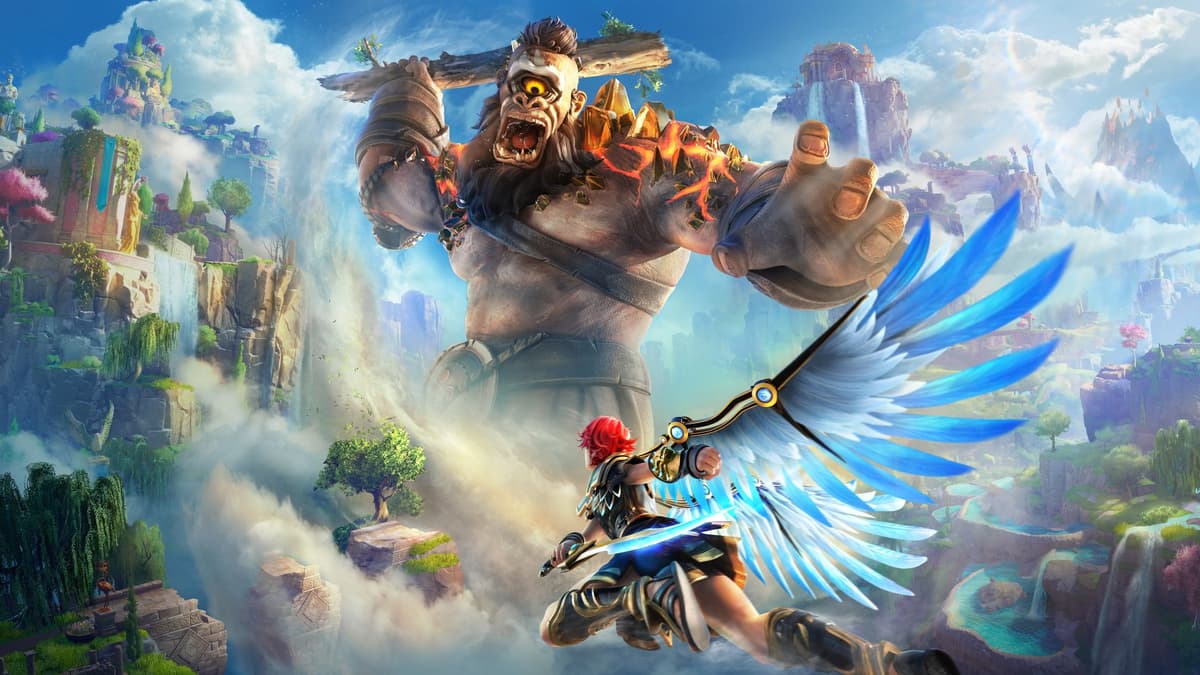
If someone wants the closest overall match on Switch, this is the answer nine times out of ten. Immortals Fenyx Rising mirrors the modern Zelda rhythm so closely that the appeal is obvious almost immediately: you sprint toward a ruin, climb a cliff face with a stamina bar watching over you, launch off a high point, glide into a puzzle space, then get sidetracked by three other points of interest on the way back. That loop is the whole reason so many players fell into Breath of the Wild and then Tears of the Kingdom, and Ubisoft understood that structure better than most studios trying to chase it. The Greek mythology setting helps it stand on its own, too. The world is broken into god-themed regions, the Vaults of Tartaros work as sharp little puzzle-dungeon breaks, and combat abilities give the game a faster, more arcade-like rhythm than Zelda.
The caveat is important: this is TotK translated into a louder, more overtly gamey language. The narration from Zeus and Prometheus is deliberately chatty, the humor is much broader, and fights demand more direct mastery of dodges, parries, and cooldowns than Nintendo’s more system-driven improvisation. You are not going to recreate Ultrahand nonsense or fuse a weird tool out of pure player instinct. Still, if the thing you miss most is the modern Zelda habit of chaining traversal, shrine-like challenges, and open-world scavenging into one very moreish loop, nothing else on Switch matches it this cleanly. It is less mysterious than Zelda and less elegant in its world design, but as a practical recommendation for the post-Hyrule comedown, it earns the top spot by being the one game that understands the same addictive structure from almost every angle.
2. Pokémon Legends: Arceus
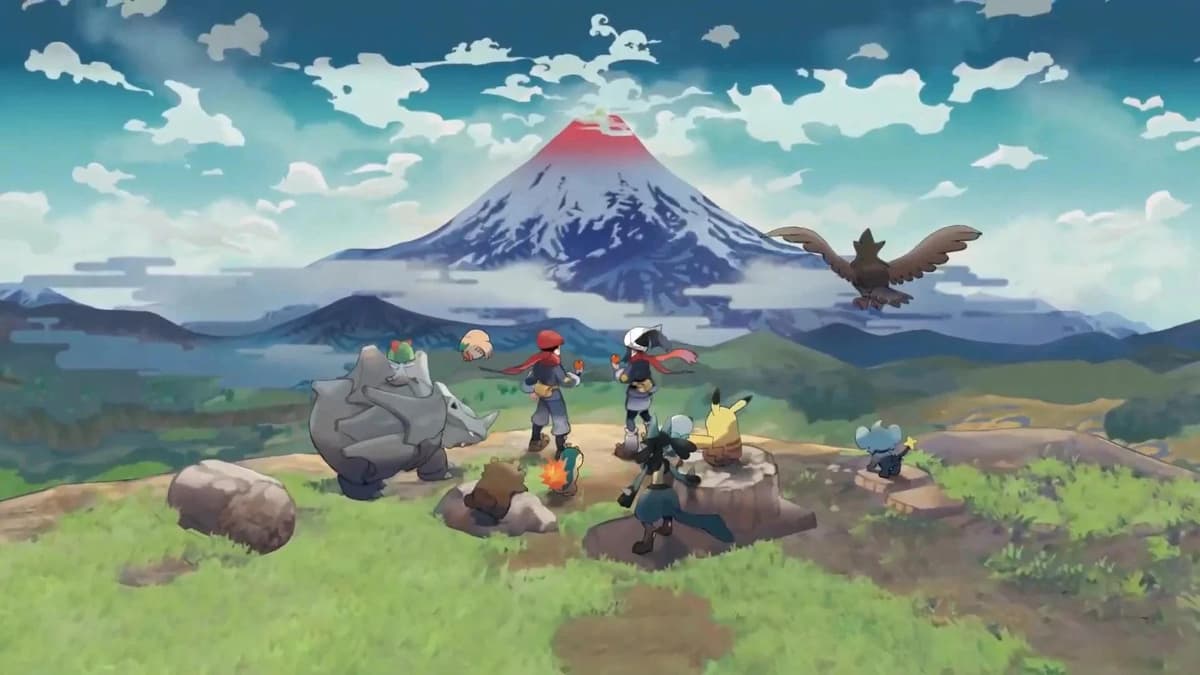
This is the recommendation for players who loved Tears of the Kingdom as a feeling of freedom rather than as a strict Zelda formula. Pokémon Legends: Arceus does not give you one seamless kingdom, and it absolutely does not have TotK’s physics-led puzzle design, but it nails the compulsion to roam off course and follow curiosity. Hisui is split into large open zones, and those spaces are built around the simple but powerful pleasure of seeing something interesting in the distance and deciding to go deal with it on your own terms. Maybe it is a distortion event. Maybe it is an Alpha Pokémon stomping around a path you were not ready for. Maybe it is one more request you swore you would ignore until you noticed a rare spawn on the way. The game’s real-time catching, sneaking, dodging, and field research turn wandering into the point, not just the downtime between story missions.
The traversal upgrades are a huge part of why it lands so high here. Unlocking mounts like Wyrdeer, Basculegion, Sneasler, and Braviary changes the texture of exploration in a way that TotK fans will instantly recognize. Areas you have already seen start opening up differently once movement options expand, and that sense of “I can go back there now” carries some of the same energy as Zelda’s layered world design. The trade-off is that Legends: Arceus is much more repetitive moment to moment, and its environments are functional rather than breathtaking. If you need handcrafted puzzle shrines, you will not find them. But if what you really miss is the constant sideward drift of exploration – that habit of leaving the main objective behind because the world keeps tempting you – this is one of the strongest Switch-native substitutes available, just filtered through Pokémon systems instead of Hyrule’s adventure language.
3. The Pathless
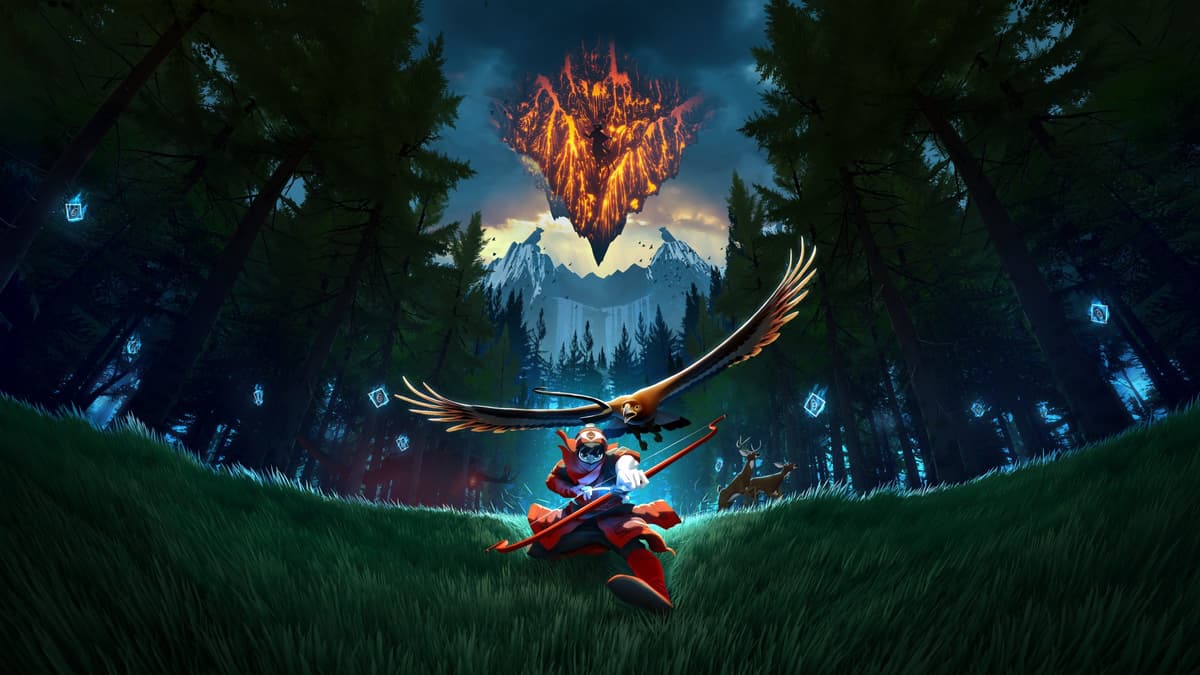
The Pathless is not the best all-around TotK substitute, but it might be the best one for a very specific kind of player: the person who loved movement in Tears of the Kingdom almost as much as combat or puzzles. This game understands the thrill of covering ground with style. Its core trick is brilliant in motion: you fire arrows through talismans to keep your speed up, then chain that momentum into long glides, quick climbs, and eagle-assisted traversal across giant, open landscapes. The result is a kind of elegant flow state that makes crossing the world feel rewarding by itself, not just as a commute to the next quest marker. TotK players who spent half their time launching off towers and using every descent as an excuse to scout the horizon will immediately get what this game is doing.
Where it differs is in structure. The Pathless is much more distilled than Zelda. There is no dense survival sandbox, no inventory obsession, and almost none of the playful systems-on-systems experimentation that defines TotK at its best. Its puzzles are cleaner, its world is less cluttered, and its combat largely gives way to purification sequences and spectacular boss chases that feel more ritualistic than tactical. That lighter touch is exactly why it works for the right audience. It trims away a lot of genre bloat and focuses on wonder, motion, and environmental problem solving. If your favorite part of Tears of the Kingdom was the sensation of cresting a ridge, spotting something impossible in the distance, and getting there in one beautiful uninterrupted chain of movement, The Pathless deserves more attention than it usually gets in these conversations.
4. Xenoblade Chronicles 3
This is where the list starts drawing a line between “Zelda-like” and “captures part of the same magic.” Xenoblade Chronicles 3 is not mechanically close to Tears of the Kingdom. Its combat is party-based and system-heavy, its story is massive, and its quest structure is far more rooted in RPG tradition than open-ended sandbox adventuring. But for pure scale, route-planning, and the pleasure of getting swallowed by a huge world, it is one of the strongest Switch games you can move to after TotK. Aionios is built to make you stare at the horizon and wonder what that giant shape, strange landmark, or impossible machine actually is. The areas feel huge, the landmarks are memorable, and the game constantly rewards players who take the long way around. It understands that exploration is partly about visual promise: show the player something dramatic, then let the journey toward it create its own story.
What keeps it out of the very top tier is the simple fact that it scratches a different itch once you get your hands dirty. There is no shrine-like puzzle cadence, no improvisational toolkit, and no sense that physics or chemistry are quietly waiting for you to break them. Xenoblade Chronicles 3 is more authored, more narrative, and much more interested in classes, party composition, Hero recruitment, and long questlines. That said, if the reason TotK hit so hard was not just Link’s moveset but the larger feeling of embarking on a truly big adventure, this game absolutely belongs on the shortlist. It is especially good for players who came out of Hyrule wanting another world that feels worth inhabiting for dozens of hours. Think of it less as a Zelda replacement and more as the best Switch-native answer to the scale and sense of travel that make TotK so easy to disappear into.
5. Oceanhorn 2: Knights of the Lost Realm
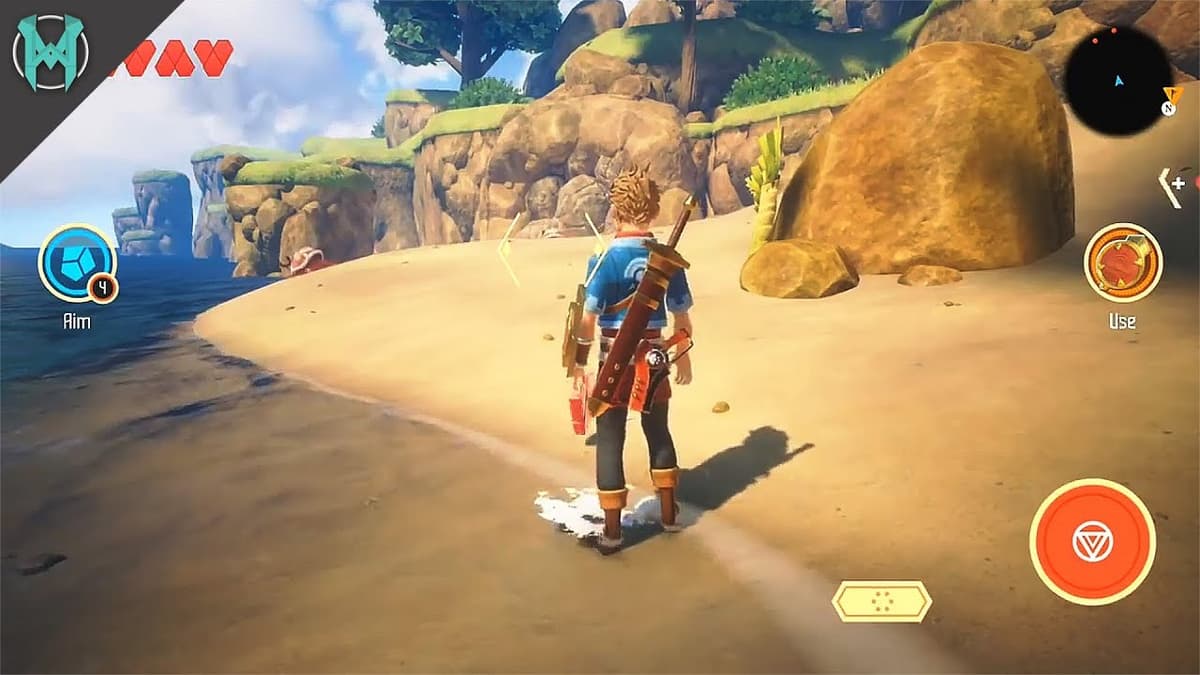
Oceanhorn 2 earns its spot by being refreshingly honest about its inspirations. Unlike broader open-world RPGs that only overlap with TotK at a distance, this one is clearly built in Zelda’s shadow. You get colorful regions, puzzle-forward dungeons, a clean action-adventure structure, and a world that wants to feel approachable rather than overwhelming. On Switch, that makes it a useful recommendation for players who do not necessarily need another hundred-hour giant, but do want another heroic adventure with readable puzzles, gadgets, combat, and the basic rhythm of “explore a place, solve its problems, move to the next one.” In that sense, it often feels closer to older 3D Zelda design than to Tears of the Kingdom, and that is not a criticism. It is part of the appeal.
The reason it lands in the middle instead of the top tier is scope. Tears of the Kingdom feels layered, systemic, and constantly surprising; Oceanhorn 2 feels curated. Its world is smaller, its encounters are more straightforward, and the sense of improvisation is much lower. You are not likely to spend an evening accidentally inventing your own solution to a traversal problem or turning some absurd device into a real plan. But not every player wants that level of sprawl. There is a real comfort in a game that takes Zelda’s adventure grammar and delivers it in a lighter, more digestible package. If your favorite part of TotK was not the sandbox chaos but the old-fashioned charm of going somewhere new, poking around for secrets, and solving a dungeon with a clear beginning and end, Oceanhorn 2 is one of the better lower-pressure options on the eShop.
6. The Witcher 3: Wild Hunt
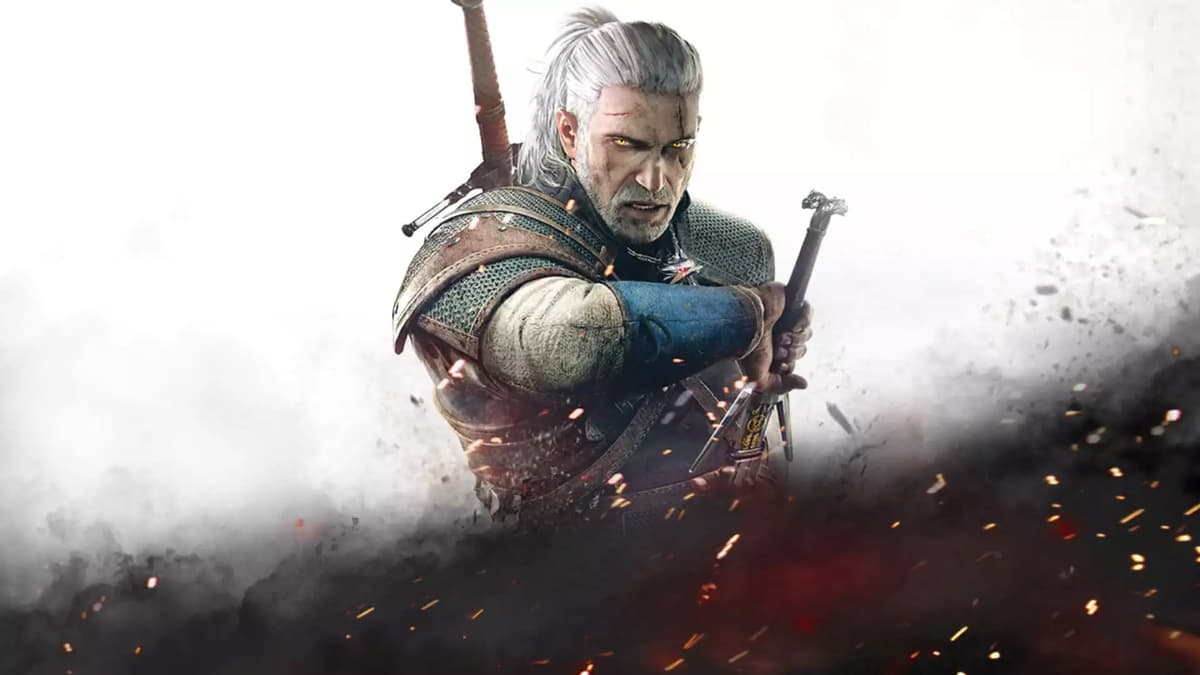
The Witcher 3 is a great example of a game that belongs on this list even though it is not especially Zelda-like in its mechanics. Some recommendation roundups push it hard as a TotK alternative, others treat it as a looser “big fantasy world on Switch” suggestion, and that disagreement is fair. What Geralt’s adventure absolutely shares with Tears of the Kingdom is the feeling that going off-road is usually rewarded. The world has density. Side quests routinely spiral into stories better than main plots in lesser RPGs. Contracts, villages, ruins, caves, and chance encounters make travel feel meaningful in a way many open worlds still fail to manage. If TotK worked on you because every direction seemed to contain something interesting and every detour felt justified, The Witcher 3 can recreate that sense of momentum better than most third-party Switch ports.
Still, the mismatch matters. This is not a puzzle sandbox, and it is definitely not built around the kind of playful experimentation Nintendo encourages. Geralt does not climb every surface, traversal is more grounded, and the game’s pleasures are rooted in writing, choices, combat prep, and world-building rather than elegant mechanical improvisation. On Switch specifically, it is also a compromise port visually, even if it remains an impressive one. That means I would only recommend it this high to players who mostly want another enormous fantasy journey, not those chasing shrines, Zonai-style contraptions, or a lighter sense of wonder. Put differently: The Witcher 3 is not the closest game to TotK’s design, but it is one of the best substitutes for the appetite TotK creates. When you finish Hyrule and still want a world that can swallow your evenings whole, Geralt remains a very serious answer.
7. Hyrule Warriors: Age of Calamity
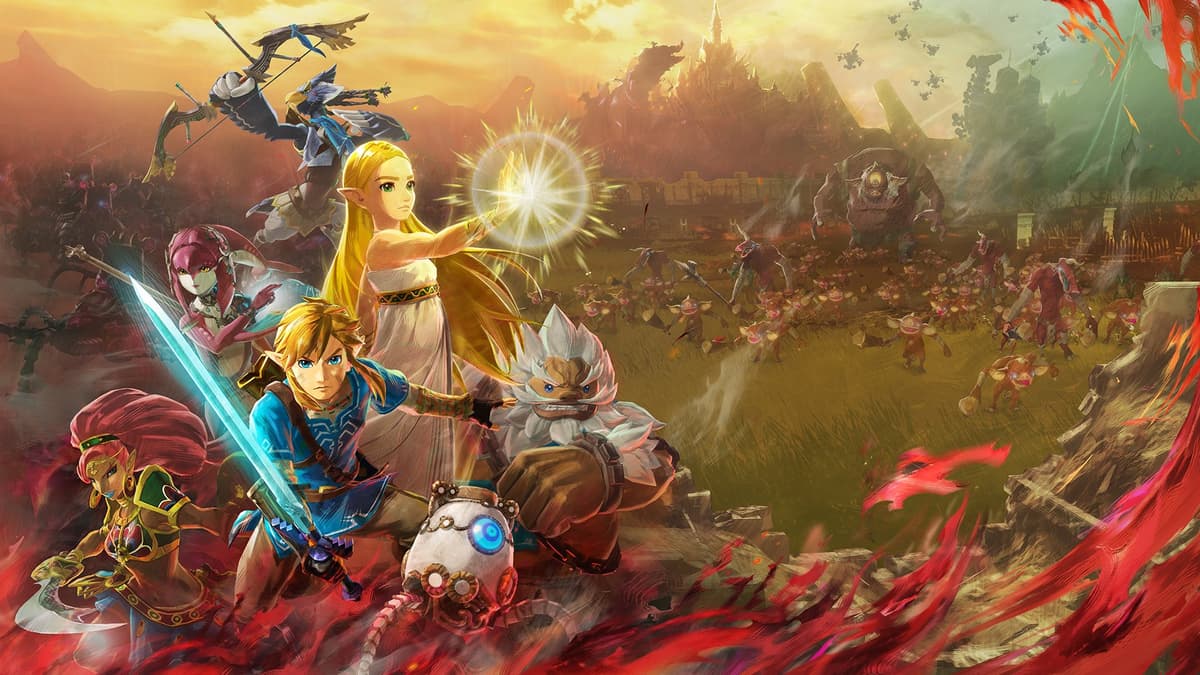
This one ranks low in terms of mechanical similarity and high in terms of emotional relevance. Hyrule Warriors: Age of Calamity is the only major Switch recommendation here that lives directly inside the same Zelda universe TotK players already care about. That matters more than some genre purists like to admit. If part of your post-TotK slump comes from missing the Champions, the regional cultures, the Divine Beast-era version of Hyrule, or just the specific feel of Nintendo’s modern Zelda art direction, Age of Calamity can absolutely help. It gives you familiar faces, lots of fan-service in the good sense, and a version of Hyrule that is worth spending more time in. For lore-minded players, that can be enough to earn it a place.
But let’s not pretend it plays anything like Tears of the Kingdom. This is a musou game through and through: battlefield objectives, combo strings, giant enemy counts, character-swapping, and mission-based progression. Yes, it borrows Sheikah Slate powers and Zelda iconography, but the core pleasure is crowd-clearing spectacle, not open-world discovery. There is no “walk in a direction and see what happens” magic here. The world is a map screen, not a wilderness. That is why it sits near the bottom in a closeness ranking even though it might be exactly what some Zelda fans want next. If TotK left you hungry for more Hyrule specifically, not more systemic exploration, this is the right detour. If what you want is another game built around curiosity and freeform wandering, you should look higher up the list first.
8. Tunic
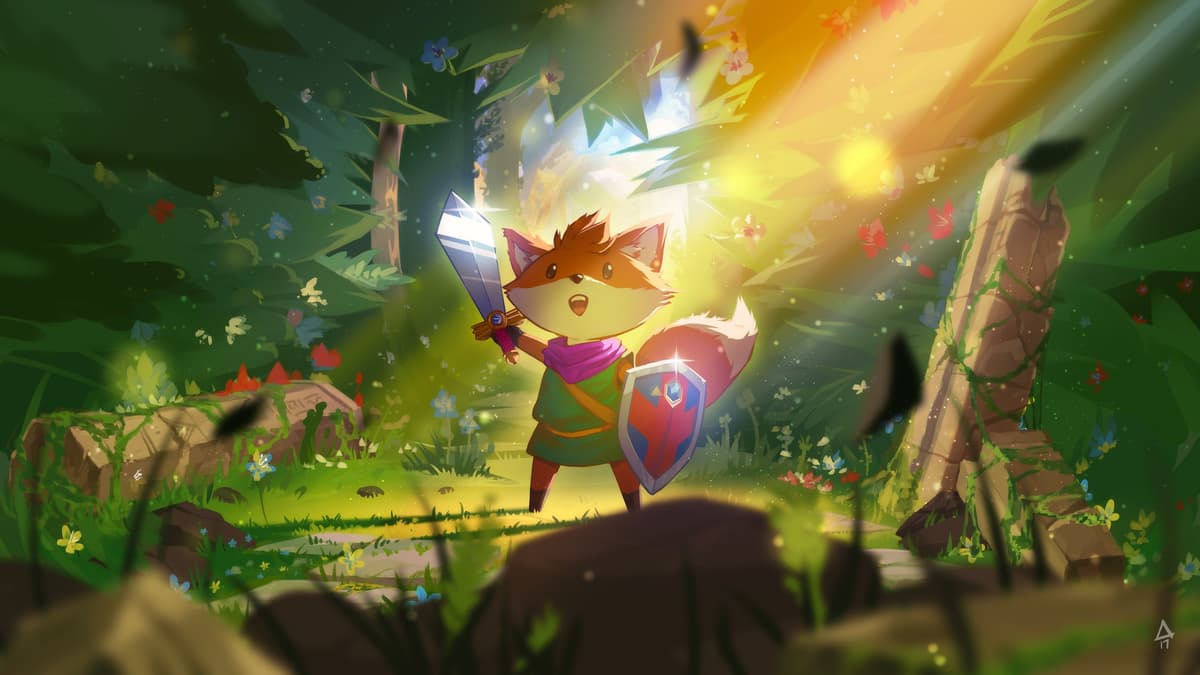
Tunic is the sneaky inclusion. It is not an open-world giant, it does not care about gliding, and it is much closer to classic Zelda filtered through a slightly Souls-like edge than it is to Tears of the Kingdom directly. So why does it make the cut? Because one of TotK’s most underrated strengths is how often it lets discovery happen in the player’s head. You are not just finding objects; you are learning rules, noticing patterns, rethinking spaces, and realizing that the world had more going on than you first assumed. Tunic is built almost entirely out of that sensation. Its manual-page gimmick is not a cute extra; it is the heart of the game. Piece by piece, it teaches you how to read the world differently, and that creates the kind of “wait, I could do that the whole time?” revelation that great Zelda games have always thrived on.
The fit is still limited, which is why it lands at number eight rather than any higher. Combat is tougher, the world is denser and more compact, and exploration here is about layered secrets and knowledge gates rather than broad travel freedom. You are not replacing TotK’s airy adventure with Tunic; you are replacing its sense of mystery and insight. For some players, that distinction will be huge. For others, it will be enough. If the thing you loved most about Tears of the Kingdom was not simply the size of Hyrule but the satisfaction of cracking its logic and uncovering hidden intent, Tunic delivers a sharper, smaller, more devious version of that pleasure. It is the “different shape, same spark” pick on this list.
FinalBoss // Gear
Level up your setup
01Best-selling Switch 2 gameson Amazon→02Switch 2 accessorieson Amazon→038BitDo controllerson Amazon→04Discounted game keyson Kinguin→
Affiliate links · As an Amazon Associate, FinalBoss earns from qualifying purchases.
Want to Level Up Your Gaming?
Get access to exclusive strategies, hidden tips, and pro-level insights that we don't share publicly.
Ultimate Top Strategy Guide + Weekly Pro Tips