
You came for a Righteous Lightning sword build in Nioh 3 and most write-ups hand you an archetype instead of a loadout. Here is the actual build: the martial art to spam, the stat numbers to hit, and the armor set that turns it into a damage engine.
Table of Contents (7)
The short version
- Signature move: Heaven Flash Lightning. It is your payoff, not your opener.
- Supporting skills: Sword Ki for Ki damage, Iai Quickdraw for fast punishes. (Ignore guides that list “Sword of Clarity” — it isn’t in this build.)
- Primary stat: Heart. It scales your sword and your Ki pool. Build it first, every time.
- Level-150 spread: Heart 40, Courage 30, Skill 25, Constitution 20, everything else 15 or less.
- Armor: Warrior of the East. The 4-piece adds flat lightning damage; the 6-piece speeds Ki recovery.
- Stance: Mid as default; High for Heaven Flash on big targets, Low against fast enemies.
The core kit: Heaven Flash Lightning and two support skills
The build is a sword Samurai that uses lightning as a multiplier on its martial arts, not a caster. The engine is Heaven Flash Lightning — a fast, lightning-infused martial art you cash out the moment an enemy is committed, recovering, or close to a Ki break. Spam it on the right openings and you do not need much else.
Two supporting sword skills round it out. Sword Ki piles on Ki damage to push enemies toward a break faster, and Iai Quickdraw gives you a one-hit punish when a window is too short for the full Heaven Flash animation. That is the whole toolkit. If a guide tells you to slot “Sword of Clarity,” skip it — it does not appear in this build.
Your bread-and-butter is not a long freestyle string. Hold neutral with light sword hits, land a Ki Pulse on every recovery to refund Ki, then insert Heaven Flash Lightning when the enemy is exposed. Perfect Ki Pulses restore more Ki and let you chain straight into the next attack, which is what keeps the pressure rolling instead of stalling after one art.
Stats: Heart first, then a clean support spread
Heart is the priority stat because it governs both your sword scaling and your maximum Ki pool — the two things this build lives on. Pour points into Heart before anything else and the build feels stronger immediately.
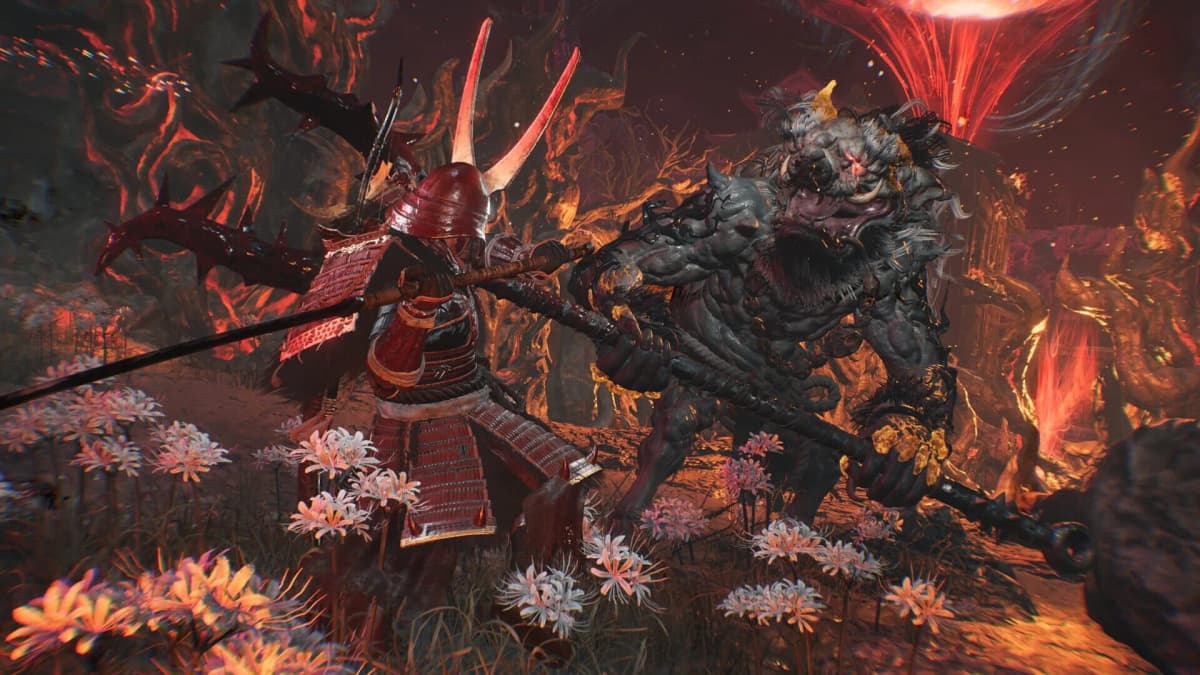
A clean spread at level 150 looks like this:
- Heart — 40: sword scaling and Ki. Your single biggest investment.
- Courage — 30: supports your offense and survivability through the campaign.
- Skill — 25: feeds your martial-art and Ki-damage output.
- Constitution — 20: the health buffer that lets you stay in for another exchange.
- Stamina, Strength, Magic, Dexterity — 15 or less each: only enough to meet your armor and accessory requirements.
Read lightning correctly here. You are not converting your damage into a spell-like nuke; lightning is a multiplier on your sword plan. Dump too much into support stats and neglect Heart and the build turns flashy but brittle.
Armor: Warrior of the East is the damage shell
There is a clear best answer here. Warrior of the East is the set the build is named after in practice: it boosts martial art damage, its 4-piece bonus adds flat lightning damage to your attacks, and its 6-piece bonus boosts Ki recovery speed. That stacks martial-art damage, lightning, and Ki sustain onto the exact loop you are already running, so run it at six pieces if you can.
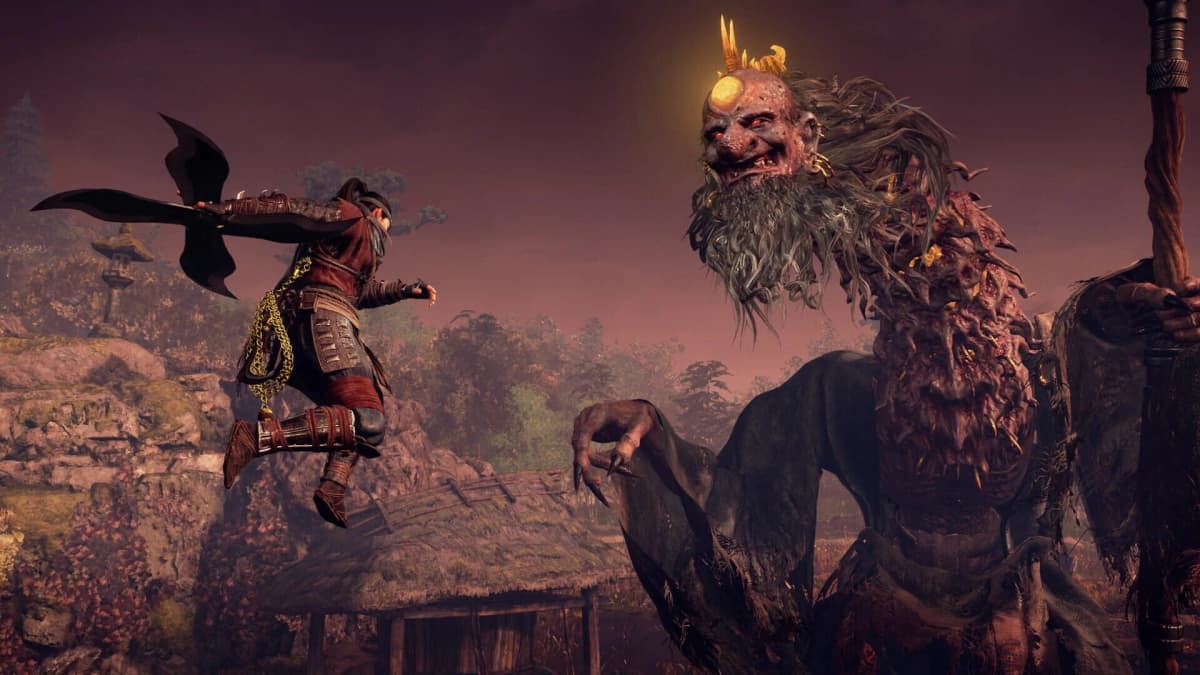
If you want a tankier campaign shell while you learn enemy timings, Herald of Peace is the safer alternative — at four pieces your Defense scales with Heart, which you are already stacking, so it costs you nothing extra to wear. Righteous Armor works as a transitional set on the way there. Whichever you pick, upgrade pieces within the same set instead of swapping identity every few drops.
Accessories favor Ki recovery, life recovery, and resistances. Ki affixes are never wasted on this build — they are what let your sword pressure continue instead of dying after a single art.
How to pilot it: stance and the burst loop
Mid Stance is your bread-and-butter — fast attacks, a solid block, a decent dodge. Switch with purpose: High Stance for Heaven Flash against big targets, Low Stance for a faster Heaven Flash against quick enemies, and a quick flip to Mid for Iai Quickdraw. Stance is a tool for securing openings, not a religion.
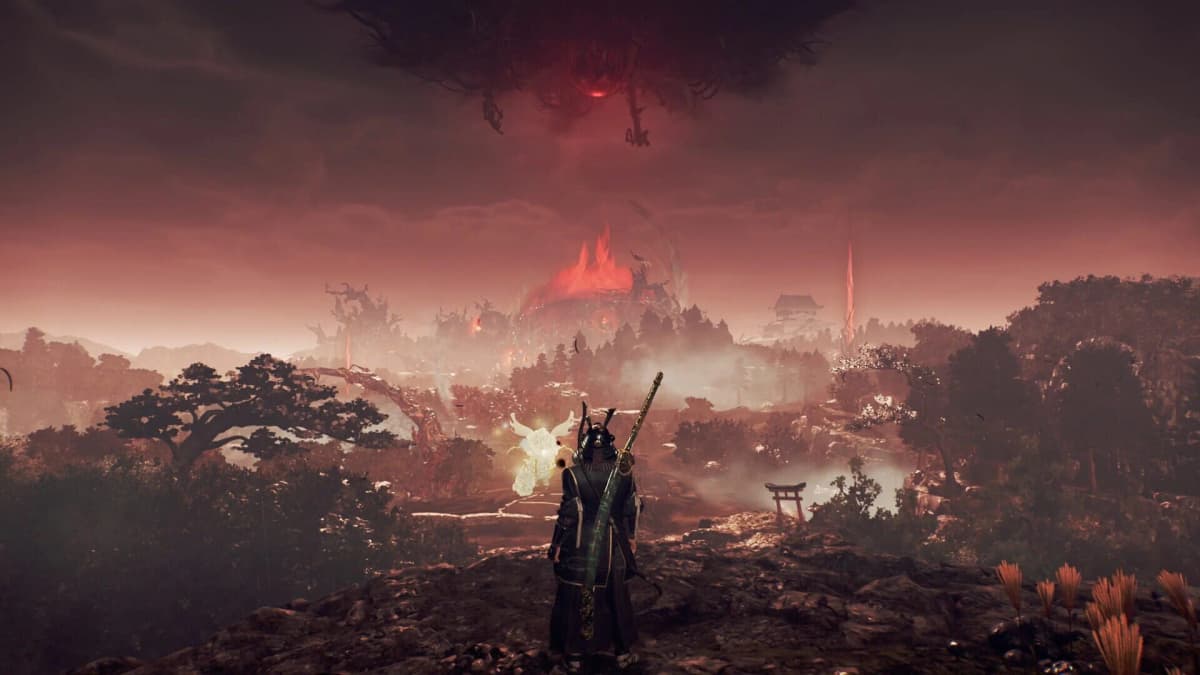
The loop in an actual fight: open with safe sword hits to bait a reaction, Ki Pulse on every recovery, watch for a deflect or burst-break window, then cash out with Heaven Flash Lightning. If the target is still unstable, keep going. If not, reset and protect your Ki. Do not force the art at neutral range — lightning is the payoff, never the opener.
Coming straight into this from the campaign? Our best early skills, magic, and gear guide gets your foundation set before you commit to a sword spec.
Common mistakes
- Overbuilding lightning, underbuilding the sword: if Heart is low, no elemental boost saves the build. Heart 40 first.
- Ignoring Ki Pulse: miss your pulses and your pressure stops dead between arts.
- Slotting “Sword of Clarity”: it isn’t part of this build. Run Sword Ki and Iai Quickdraw instead.
- Forcing long strings: short burst windows are the point. Take your Heaven Flash and reset.
- Swapping armor identity every drop: commit to Warrior of the East (or Herald of Peace) and upgrade within it.
Practical takeaway
Build the Righteous Lightning Samurai like this: Heart to 40 by 150, Heaven Flash Lightning as your finisher, Sword Ki and Iai Quickdraw for support, and a full Warrior of the East set for martial-art damage, flat lightning, and Ki recovery. Default to Mid Stance, Ki Pulse on every recovery, and only fire the lightning once the enemy is committed. Want a second melee spec to pair with it? Compare it against our Dual Swords Flowing Flame build or the best beginner builds breakdown before you respec.
FinalBoss // Gear
Level up your setup
01Top-rated gaming headsetson Amazon→02High-refresh gaming monitorson Amazon→03Gaming chairson Amazon→04Discounted game keyson Kinguin→
Affiliate links · As an Amazon Associate, FinalBoss earns from qualifying purchases.
Want to Level Up Your Gaming?
Get access to exclusive strategies, hidden tips, and pro-level insights that we don't share publicly.
Ultimate Guide Strategy Guide + Weekly Pro Tips