
The safe way to start Heroes of Might & Magic: Olden Era is to build around one main hero, take low-risk fights for experience, and turn your first city decisions into steady army growth instead of flashy tech. Hero leveling drives most of your early power curve, battle experience comes from defeated creatures, and the opening is decided more by economy and movement than by trying to win every fight on day one.
Table of Contents (17)
The short version
- Funnel early experience into one carry hero. Battle EXP comes from defeated creatures, so feed clean fights to a single main hero instead of splitting your best units.
- Win the town screen first. Prioritise gold flow and unit buildings; delay expensive side projects that do not grow your weekly army.
- Use secondary heroes as scouts and couriers, not as a second equal army.
- Learn the stat names. The four core hero stats are Attack, Defence, Spellpower, and Knowledge — Knowledge is the mana stat, not “intelligence.”
- Spend rare resources only for tempo, and never let artifacts sit unused.
Olden Era is still being balanced, so any “best hero” tier list will shift. The lane that survives faction tuning is early-game economy: efficient leveling, careful resource spending, and role-based hero use. Build those habits and you will adapt to any patch.
11 tips to know before starting
1. Treat “best hero” rankings as temporary, not as rules
Some heroes will look stronger than others early, but Olden Era’s balance is not locked. A hero that dominates in one build can drop hard after a change to starting army size, spell access, or growth rates. Ask what problem your hero solves on the current map: movement, income, safer fights, better spells, or faster recruitment. That habit ages better than copying a static tier list.
2. Read the full hero card before you pick
Heroes in the same faction do not start on equal footing. Hero cards differ by specialization, starting stats, faction class, and initial army, so two heroes from the same town can create completely different openings. A stronger starting stack clears nearby guards faster, while a resource or movement bonus can outscale that combat edge over the first week. Spend a minute on the card before the match instead of picking on faction name alone.
3. Give every hero a job from turn one
Class-biased stat growth means you should not force every hero into the same role. A mage class such as the Warlock — the Dungeon faction’s magic hero — leans into Spellpower and Knowledge, while might-focused classes support frontline combat better. So your main army leader, scout, courier, and economy helper should not be evaluated the same way. If a hero has weak combat scaling but strong map utility, let that hero collect resources, flag pickups, and chain reinforcements instead of pretending they are your duelist.
4. Funnel early EXP into one carry hero
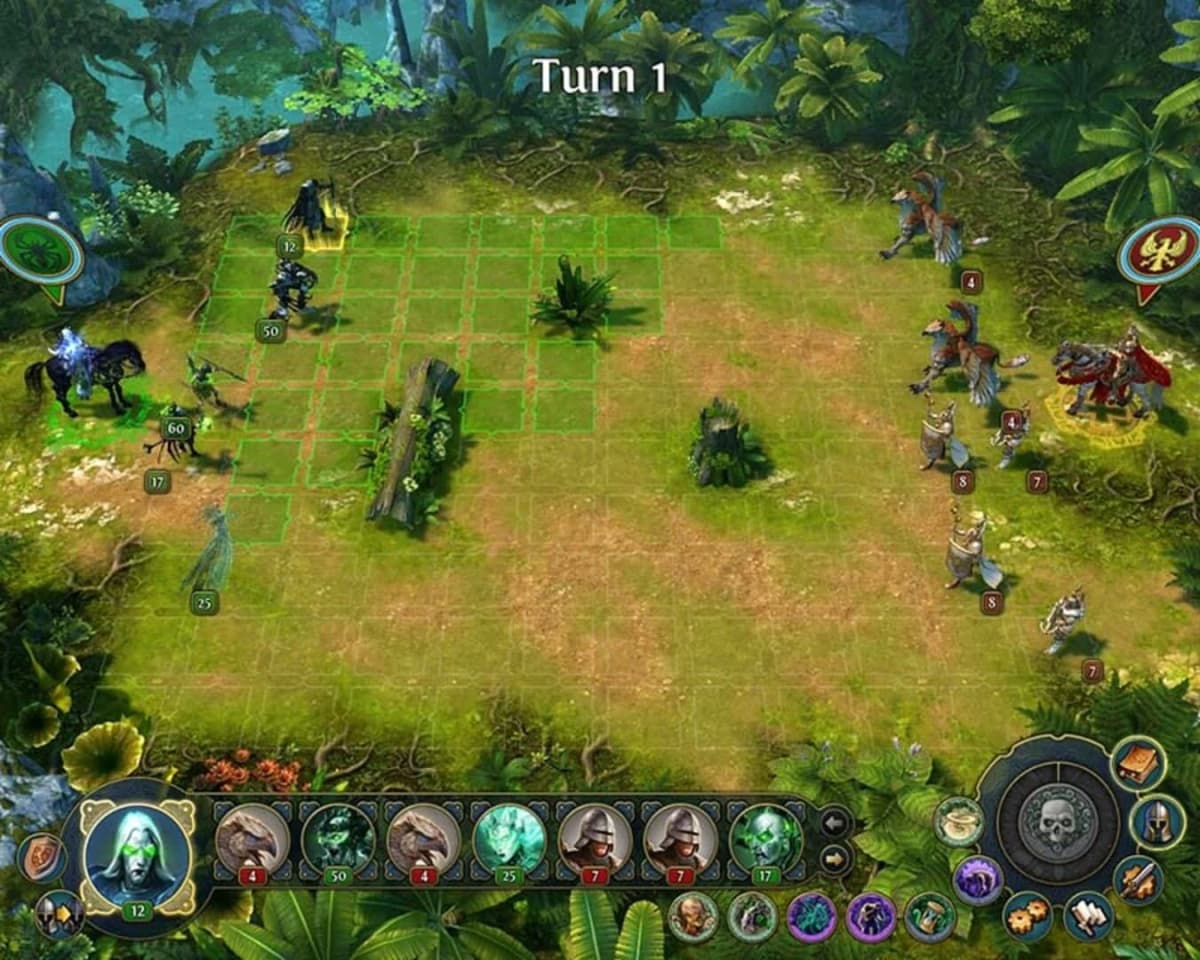
Hero leveling is a major power curve, so the opening priority is simple: one hero should get most of the meaningful early fights. Splitting your best units across two stacks usually leaves you with two mediocre armies and slower leveling on both. A single overleveled main hero clears neutrals more safely, reaches better skills faster, and turns weekly recruits into more efficient wins. Secondary heroes still matter early, but they should support the carry, not compete with it for your best battles.
5. Take clean fights for experience and skip messy ones
Battle EXP comes from defeated creatures, so weak neutral stacks are not worthless if you can beat them efficiently. A low-risk fight that costs no important units is often better than a bigger fight that bleeds your army and ruins your next two turns. Tempo is everything: if a fight gives EXP but leaves you too damaged to keep moving, it usually was not worth it. Look for safe clears near your starting zone and only stretch into dangerous guards when the reward changes your position.
6. In city-building, gold usually beats fancy tech
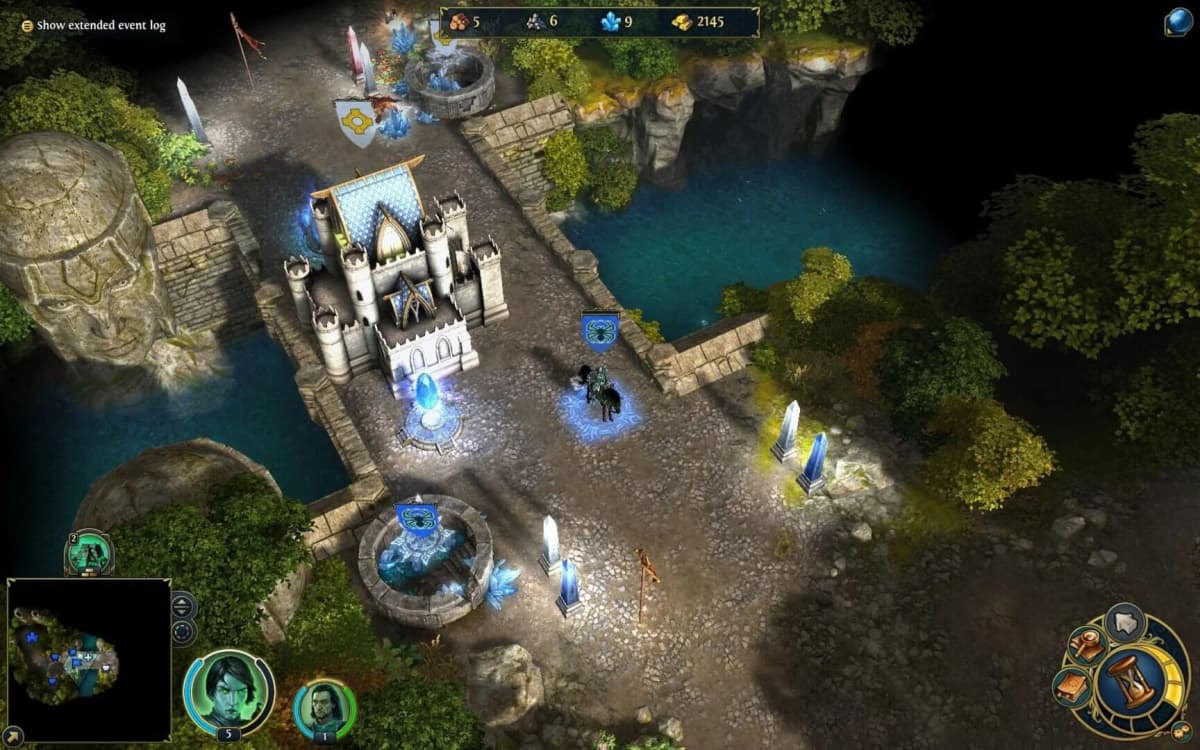
Most new players lose the opening in the town screen, not on the battlefield. Your first city exists to generate income and convert it into a larger weekly army, which means prioritising gold flow and the unit buildings that let you recruit on schedule. An expensive, impressive building that does not help you field more strength soon is usually a trap in the first week. Unspent gold is hidden lost tempo too — if you finish key turns floating cash while your army stays small, your economy is not working for you.
7. Secondary heroes are for scouting, pickups, and army chaining
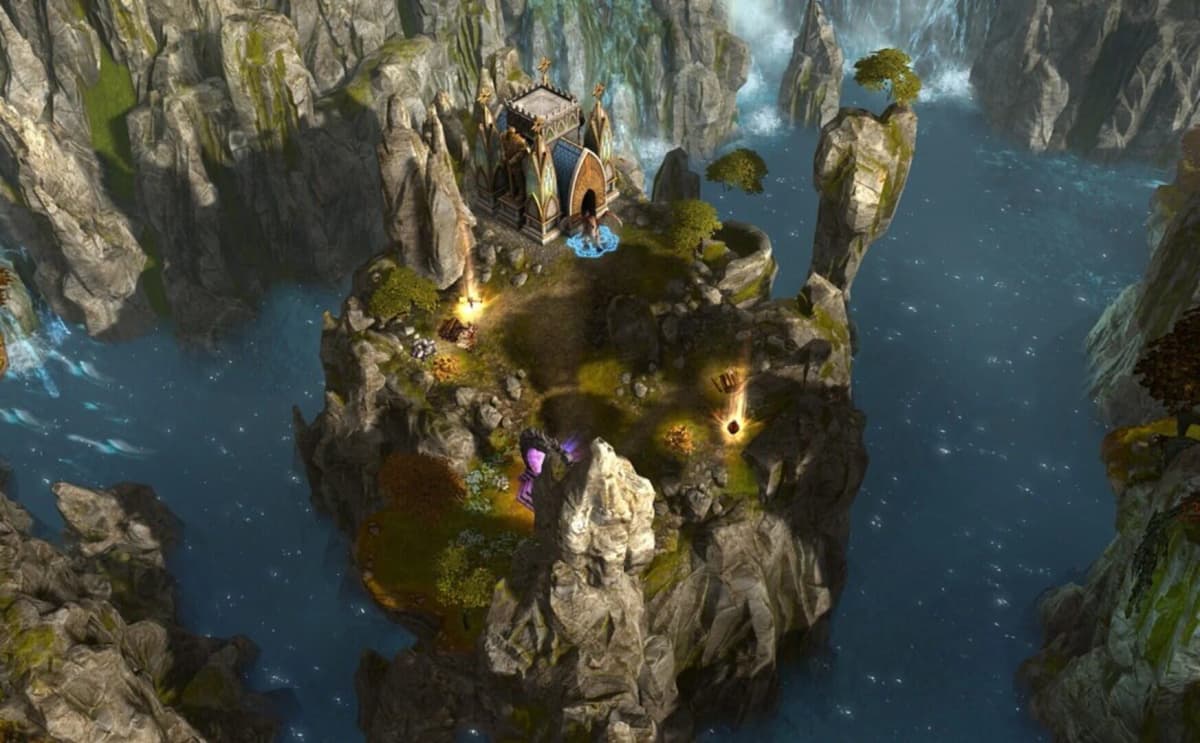
A second hero is excellent early, just not as a mirror-image warlord. Use secondary heroes to collect loose resources, reveal the map, flag easy points, and transfer fresh units forward so your main hero does not waste movement returning home. Your strongest stack should be where the important fight is, and support heroes should keep feeding that stack. Split your creature pool evenly because it “feels safer” and you usually make both heroes too weak to solve real fights cleanly.
8. Spend wood, ore, and rare resources only when they create tempo
Gold is the obvious bottleneck, but side resources decide whether your opening keeps flowing or jams up. Early upgrades, town branches, and specialty buildings can drain materials you soon need for core recruitment. The rule: spend scarce resources only when the payoff is immediate — a stronger weekly army, better map access, or a building that fixes your income. A marketplace can smooth awkward shortages, but leaning on it to chase nice-to-have upgrades usually means overpaying for decisions you did not need to make yet.
9. Check artifacts constantly instead of letting them sit unused
Artifact management quietly separates clean openings from sloppy ones. Small bonuses to movement, initiative, survivability, or economy swing multiple turns once they stack. Check equipment after every meaningful fight, chest, or pickup — do not leave items parked in inventory because the bonus looks minor. Think about who should wear them, too. A pure combat item belongs on your main hero, but a movement or economy bonus may be stronger on a scout or pickup hero if it improves map reach.
10. Learn the stat names before you misbuild a caster
Olden Era’s four core hero stats are Attack, Defence, Spellpower, and Knowledge. If you are coming from older Heroes habits, this is the key adjustment: the mana stat is now called Knowledge, not intelligence. Each point of Knowledge raises your maximum mana by 10 and regenerates 1 mana per day, while Spellpower governs the damage and duration of your spells. So a caster does not only scale through raw power — sustainability matters. A hero with high Spellpower but low Knowledge wins one fight hard and then runs dry; a hero with deep Knowledge stays active across more encounters. When choosing skills, fights, and gear, decide whether you need burst, endurance, or both.
11. Match your hero choice to the mode and map
The best starter hero changes with the mode: classic map, single-hero setup, or a combat-heavy mode. In classic play, movement, recruitment, resource generation, and efficient clearing usually beat slightly better combat numbers because they snowball your whole position. In a mode built around direct fights, battle specialists rise in value. Over the first few days, the hero who solves your biggest bottleneck is almost always stronger than one with flashier endgame scaling.
A simple first-week template that fits most openings
If you do not want to overthink your first few days, this is the clean baseline:
- Open by reading your hero’s specialization, starting army, and stat profile so you know whether they want to clear, cast, scout, or support.
- Take only the nearby fights that look efficient and low-casualty, then feed those wins into one main hero instead of dividing your best units.
- Use your town to stabilise income and recruitable strength first; delay expensive side projects that do not improve army size or map tempo quickly.
- Keep a secondary hero for pickups, scouting, and reinforcement delivery rather than building a second equal army too early.
- Before ending each turn cycle, check artifacts, review resource shortages, and point next turn’s movement toward a meaningful clear or pickup.
Common mistakes
- Splitting your best units across two heroes early. You end up with two mediocre armies and slower leveling on both.
- Calling the mana stat “intelligence.” In Olden Era it is Knowledge (+10 max mana per point). Building Spellpower while ignoring Knowledge leaves your caster running dry mid-battle.
- Buying impressive buildings over income. A flashy structure that does not grow your weekly army is a first-week trap.
- Floating gold and unused artifacts. Both are lost tempo — spend on army growth and equip bonuses where they help most.
- Fighting messy battles for the EXP. A clear that wrecks your army costs you the next two turns; efficiency beats size.
Practical takeaway
If future updates move hero rankings around, this opening logic still holds: build one strong core hero, feed it clean fights for experience, protect your early economy, spend rare resources only for tempo, and keep Knowledge in mind so your casters never run dry. Win the town screen, equip your artifacts, and let your support heroes feed the carry — that plan survives any patch.
FinalBoss // Gear
Level up your setup
01Top-rated gaming headsetson Amazon→02High-refresh gaming monitorson Amazon→03Gaming chairson Amazon→04Discounted game keyson Kinguin→Affiliate links · As an Amazon Associate, FinalBoss earns from qualifying purchases.
Want to Level Up Your Gaming?
Get access to exclusive strategies, hidden tips, and pro-level insights that we don't share publicly.
Ultimate Guide Strategy Guide + Weekly Pro Tips