
Timberborn: How to Play Iron Teeth – Early to Late-Game Guide
Most failed Iron Teeth starts have the same cause: players lean into the industrial fantasy before the colony can feed itself. Iron Teeth do not skip the survival phase. Pick them when you want tighter population control and a colony that scales harder into industry than Folktails, then earn that payoff by getting water, food, and wood right first.
The short version
- What they are: one of Timberborn’s two core playable factions, alongside Folktails. Both have shipped since the Early Access launch on 15 September 2021 — Iron Teeth are not a later unlock or a map encounter.
- Open like a survival colony: water pump, a little water storage, then a farm. Start your first crop with kohlrabi — it is a raw food that needs no processing and matures in about three days.
- Population is a valve: Breeding Pods can be paused and unpaused, so you set growth manually instead of reacting to shortages.
- Power is wood: the Engine is Iron-Teeth-exclusive and burns Logs for constant horsepower. Plant a forester early or the log line collapses.
- Crop ladder: kohlrabi and cassava early, then soybeans and canola, then corn as your processing catches up.
- Skip outdated water advice: the Irrigation Tower was removed from the game; Iron Teeth handle badwater with the Badwater Discharge and a Large Water Pump instead.
What Iron Teeth are and how you encounter them
Iron Teeth are not a midgame discovery or a special map encounter. They are one of Timberborn’s two core playable factions, and both they and Folktails have been in the game since its Early Access launch on 15 September 2021. So the only real decision is whether to begin a settlement as Iron Teeth and play around their strengths from day one.
The clearest distinction between the factions is this: Folktails are the smoother introductory faction, while Iron Teeth ask for stricter resource discipline in exchange for more controllable growth and stronger industrial scaling later. The first few in-game decisions are the same either way — keep beavers alive through the first dry period. Iron Teeth only become distinct once you start managing population through Breeding Pods, building out a deeper food chain, and running production on Engine power. If you are still weighing the two, see our Folktails vs Iron Teeth faction guide.
How Iron Teeth perform compared with Folktails
Iron Teeth perform best once a colony is past pure survival and starting to scale. Their advantages are population control, an industrial power base, and a food economy that gets stronger as the settlement grows. Their weaknesses are front-loaded: they are hungry for logs and they punish sloppy expansion harder than Folktails do.
- Where Iron Teeth are stronger: controlled population growth through Breeding Pods, a deep processed-food chain, Engine power for constant output, and a metal-oriented industrial identity.
- Where Iron Teeth are weaker: heavy early log pressure and more moving parts in the food economy, which means more shortfalls if your raw supply slips.
- What this means in practice: they reward players who already understand drought prep, storage, and production bottlenecks. For how the faction’s systems fit together, see our Iron Teeth tech-faction guide.
The best early-game opener is a survival opener
For a stable Iron Teeth start, open the same way you would with any sensible Timberborn colony: secure water, add a little storage, and get a basic farm running before you chase advanced systems. Place a water pump first, add a modest amount of water storage, then establish your first farm as soon as labor allows. That buffers you against the first bad stretch and sets up the faction system that matters most after that: Breeding Pods.
Open your first farm with kohlrabi. It is a raw Iron Teeth crop that needs no processing and matures in about three days, so it stabilizes food before any workshop chain is online. Cassava works as an early companion crop, but kohlrabi is the safer single opener because it feeds beavers straight out of the field. Treat that first farm as a stability tool, not a build-order test — lock in raw food first, then layer complexity on top.
The mistake to avoid is overreading the faction flavor and rushing later infrastructure before the colony can feed it. Iron Teeth can absolutely become the more advanced faction, but not on day one. If your pump coverage is weak or your first farm is delayed, the rest of the faction’s advantages never get time to matter.
Breeding Pods are the mechanic that defines Iron Teeth
Iron Teeth population growth is more controllable than Folktails’ because Breeding Pods can be paused and unpaused whenever you need to hit a target population. That one switch changes how you manage the whole colony. Instead of reacting after your settlement outgrows its food or water, you cap growth before the shortage starts.
Use Breeding Pods like a valve. Entering a drought with thin water reserves? Pause them. Farms transitioning and food inconsistent? Pause them. Housing and jobs ready, stores healthy? Turn them back on. Players who learn Iron Teeth quickly stop thinking of population as a passive number and start treating it as a resource they actively tune.
The common failure point is leaving pods active because more workers always feels good in the moment. Then the colony hits a dry spell, the food chain is still maturing, and every shortfall gets worse because you grew population faster than your infrastructure. Iron Teeth reward restraint more than speed.
FinalBoss // Gear
Level up your setup
01Graphics cardson Amazon→02Gaming laptopson Amazon→03High-refresh gaming monitorson Amazon→04Discounted game keyson Kinguin→
Affiliate links · As an Amazon Associate, FinalBoss earns from qualifying purchases.
Do not skip the food chain
Food is where Iron Teeth stop feeling like a minor variation and start feeling like their own faction. Their crop ladder is broader and more production-heavy: kohlrabi and cassava early, then soybeans and canola, then corn as your processing comes online. The upside is scale — with enough farms, power, and processors, Iron Teeth support large populations through a far deeper economy than their opening suggests.
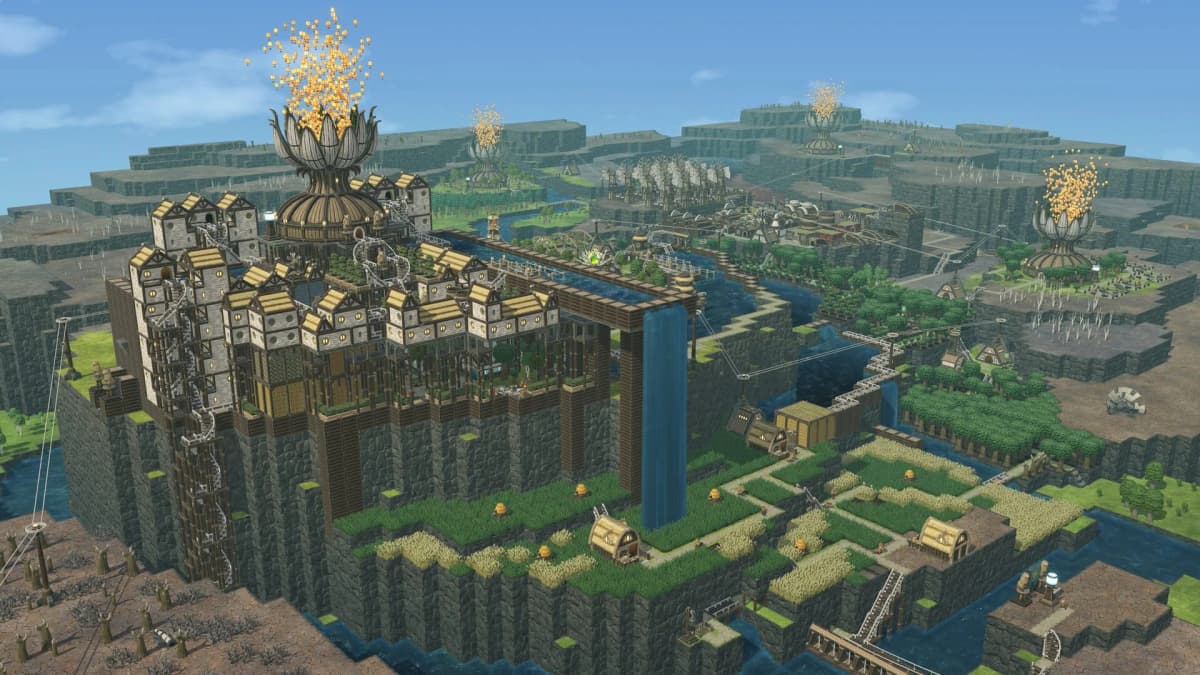
The downside is that you cannot fake this system. Skip steps in the chain and the colony stalls. Overcommit to late foods before raw crop supply is stable and your workshops sit idle while labor splits across too many half-finished plans. The better approach is staged growth: lock in one dependable raw crop, add the processing for the next tier only when raw production is steady, then expand variety once the worker base and power grid can support it.
One myth to drop: there is no separate, weaker Iron Teeth farmhouse. Both factions use the same standard Farmhouse — the difference between them comes from crops, processing chains, and faction traits, not a nerfed building. So plan your food economy around the crop ladder and your processor count, not around an imagined farming penalty.
Want to Level Up Your Gaming?
Get access to exclusive strategies, hidden tips, and pro-level insights that we don't share publicly.
Ultimate Guide Strategy Guide + Weekly Pro Tips
Power and wood are where Iron Teeth can collapse
The Engine is the Iron Teeth’s signature power building: it is exclusive to the faction and burns Logs to produce constant horsepower, which makes it invaluable when you need dependable output for critical buildings or when variable power is unreliable. (Power Wheels are a basic option Iron Teeth can also build, but they are not faction-exclusive.) What the Engine is not is a carefree permanent answer — it works best as a backup or a bridge during shortages rather than as your sole long-term source, because every running Engine is burning logs.
That matters because Iron Teeth are already hard on logs. Housing, food production, and power all compete for the same wood supply, and the pressure ramps faster than new players expect. Planting a forester early is one of the safest faction-specific habits you can build, especially since oak growth takes time and late wood demand arrives before an unplanned tree economy can recover.
If your colony is suddenly short on logs, the fix is rarely “build more industry.” Stabilize the wood line first: expand planted trees, protect forester capacity, and run Engines selectively for must-run systems instead of powering the whole settlement on raw wood.
Metal and late-game industry are the payoff
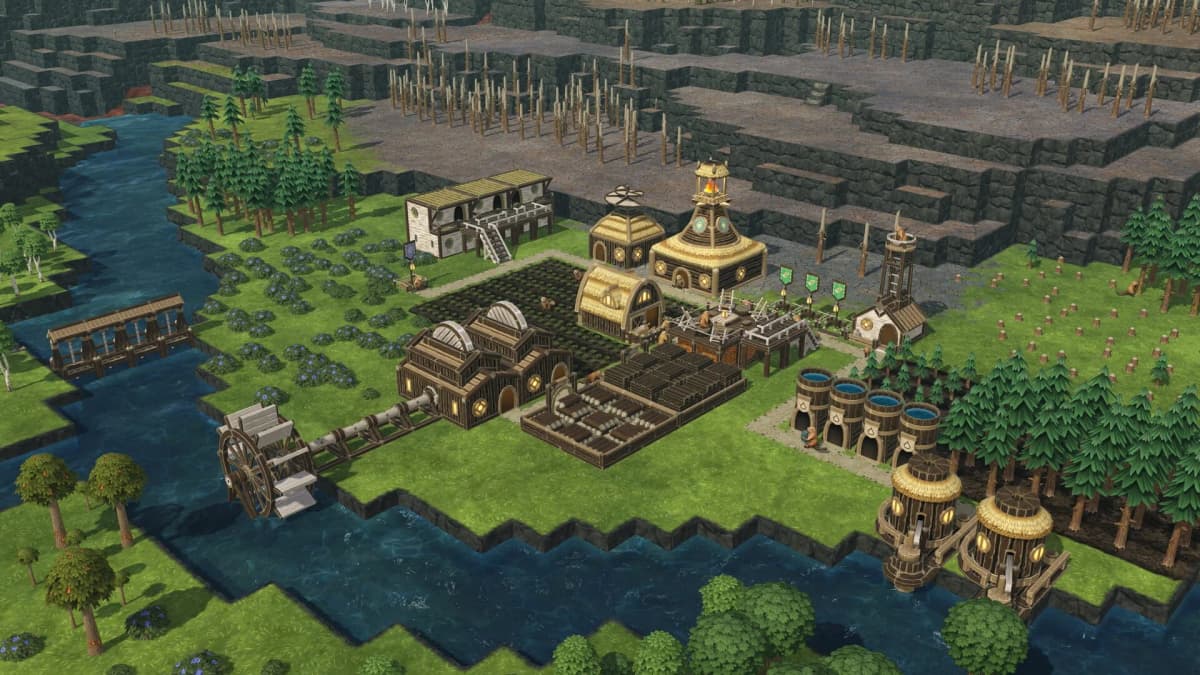
Iron Teeth’s industrial role becomes clear once metals matter. By this stage you have population control through Breeding Pods, a wide processed-food economy, Engine-backed power, and a faction identity that naturally leans into bigger industrial chains. The heavier planning of the early game pays off here.
That does not make Iron Teeth automatically better on every map or at every skill level — it makes them reward colonies that already solved the basics cleanly. If your water storage is thin, your farms are inconsistent, or your wood line is fragile, the industrial advantage arrives late or not at all. If those systems are stable, Iron Teeth scale very well.
Check the patch before copying old water advice
If you are reading older Timberborn guides, verify their version assumptions. The biggest trap is the Irrigation Tower: it was removed from the game in the 2023-11-02 experimental patch, so any guide built around it is describing water control that no longer exists. The same patch added the badwater buildings Iron Teeth actually use — the Badwater Discharge — along with a Large Water Pump for higher throughput. For how to route contaminated water safely, see our badwater routing guide.
The practical takeaway: when advice conflicts, trust the parts that explain why a step works, and confirm the buildings it names still exist in your version before you commit a build order to them.
Common mistakes
- Rushing industry before survival. Iron Teeth start the same as any colony: water pump, storage, kohlrabi farm. Build the basics first.
- Leaving Breeding Pods running. Active pods through a drought outgrow your food and water. Pause them before the shortage, not after.
- Treating the Engine as primary power. It burns logs continuously — use it as a backup or bridge, not your main grid.
- Ignoring the forester. Housing, food, and power all draw on wood. Plant trees early because oak takes time to mature.
- Planning around a fake farmhouse penalty. Both factions use the same Farmhouse; the difference is the crop and processing chain.
- Copying pre-removal water guides. The Irrigation Tower is gone — use the Badwater Discharge and Large Water Pump instead.
Practical takeaway
Iron Teeth are Timberborn’s controlled-growth, industry-first faction. The plan is simple: open like a survival colony with a water pump and a kohlrabi farm, treat Breeding Pods as a valve to tune population to your supply, plant a forester early so Engine power and processing never starve your log line, and climb the crop ladder one tier at a time. Solve those basics cleanly and Iron Teeth pay you back with better scaling, tighter population management, and a stronger industrial endgame than Folktails.