
If you searched for a Timberborn Update 8 guide, the honest answer is the one nobody put in a headline: there is no Update 8. Timberborn left the numbered Early Access cycle when it hit 1.0, and the “Update 7, so Update 8 must be next” assumption is just forum math. You are not behind on a patch. You are looking for content that does not exist.
Table of Contents (9)
The short version
- There is no Update 8. The last numbered content patch was Update 7 (“Ziplines & Tubeways”, 8 May 2025). The game then shipped 1.0, and the newest content lives on the 1.1 experimental branch — not a hypothetical “Update 8”.
- If you opt into experimental, back up first. Mechanistry’s 1.0 notes already told players that even though saves carried over, “we strongly recommend starting a fresh settlement.” The same caution applies to any experimental build.
- The fundamentals did not change. Water storage, a renewing wood economy, and short paths still decide colonies. None of that needs a new patch.
- Faction tech is still split. Folktails build Wind Turbines and water control; Iron Teeth build the Engine and the Efficient Mine. The old “Irrigation Tower” target is gone — that building was removed from the game.
Where the “Update 8” confusion comes from
Timberborn shipped its Early Access content in numbered updates that topped out at Update 7. After that, development moved to version numbering: the game released as 1.0, and post-1.0 content is delivered through the 1.1 experimental branch rather than an “Update 8.” So when you see “Update 8” in a search box or a forum thread, it is speculation about a name that was never used, not a missing download.
The practical takeaway: stop waiting for Update 8 and check the actual version. If you want the newest features today, opt into the experimental branch through Steam’s beta tab. If you want stability, stay on the default 1.0 build. For the full breakdown of how Timberborn’s versions and the experimental branch work, see our Timberborn updates guide.
What Update 7 actually added (the real “latest update”)
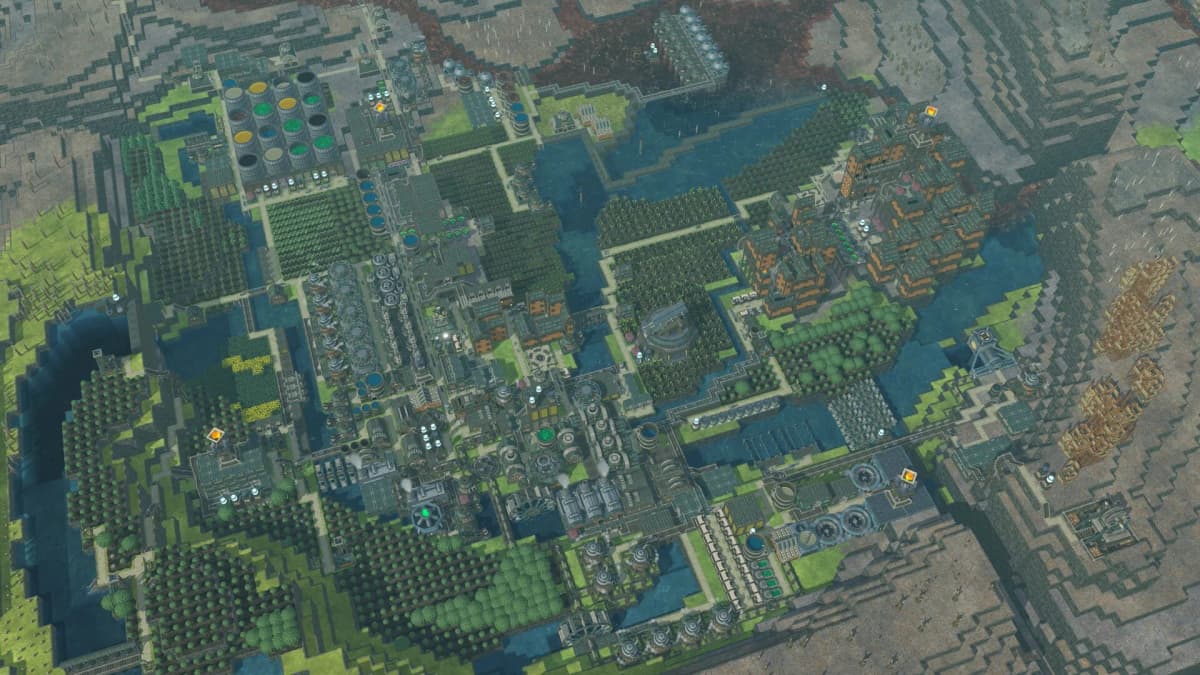
The newest named content was Update 7, “Ziplines & Tubeways,” released 8 May 2025. It added two modular transport systems: Ziplines for fast downhill beaver travel across gaps and elevation, and Tubeways for routed point-to-point movement. If you have been ignoring transit because you were holding out for a bigger patch, this is the logistics layer you were actually waiting for — and it is already in the game. Our Ziplines transit guide covers setup and the cases where they beat stairs and platforms.
Before you opt into experimental, back up your save
Post-1.0 content arrives on the 1.1 experimental branch, and experimental builds change balance and buildings without warning. Treat it like any major systems patch: keep a backup save, and be ready to start fresh. This is not hypothetical caution — when 1.0 launched, Mechanistry’s own notes said Update 7 saves would load, but “with all the changes we’ve made, we strongly recommend starting a fresh settlement.” A clean colony is the most reliable way to experience reworked systems the way they were tuned.
The opening that works on every version
No patch is going to make water optional, so build around the loop that has never stopped working. Open on a water-rich map — Lakes (256×256) and Waterfalls (128×128) are the two official beginner-friendly maps with reliable water. Then run the same early order regardless of version:
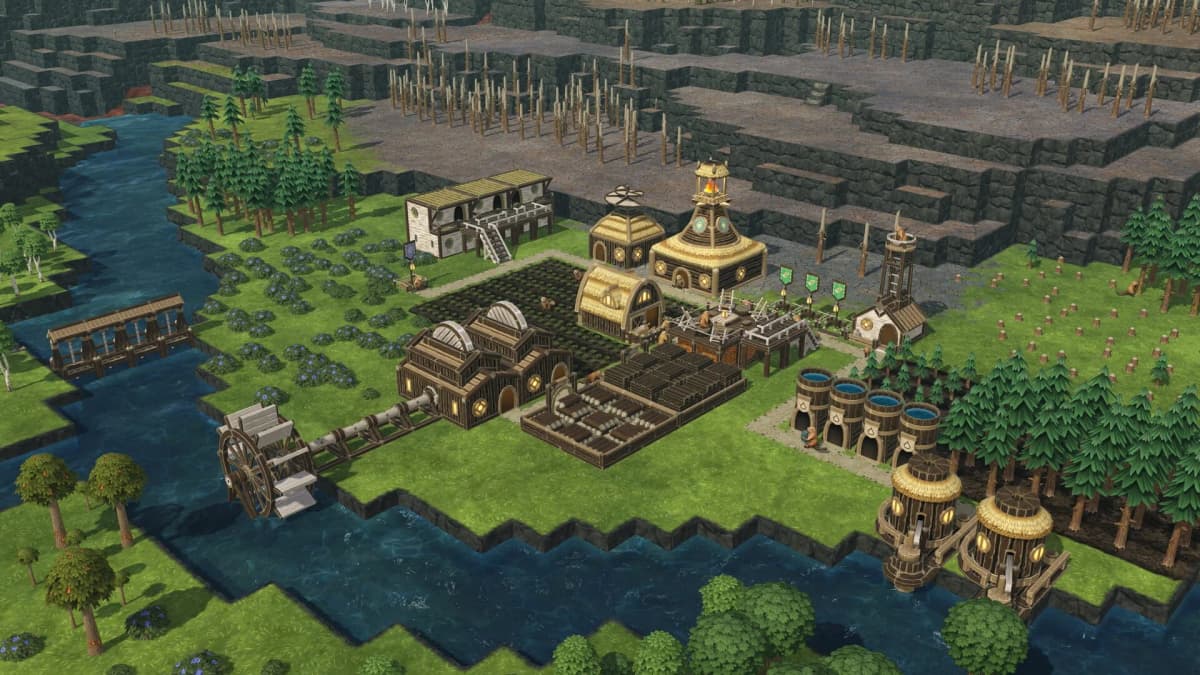
- Days 1–3: Lumberjack flag, log pile, gatherer flag, and a Water Pump. Get raw collection and water flowing before anything else.
- Days 4–7: Add housing, start science, place a forester so your wood economy renews instead of eating itself, and plant your first deliberate crop. As Folktails, open with carrots — they are eaten raw and mature in about four days. As Iron Teeth, open with kohlrabi (~3 days raw).
- Days 8–12: Expand storage and start your first modest dam. Find the smallest viable river crossing and hold water there; scale up control pieces later.
Water storage is the meta — not a feature you unlock
Your colony can limp through a slow science pace or cramped housing. It cannot survive a drought with no stored water. Small water tanks placed early do more work than players expect: they protect crops, preserve drinking supply, and buy time to fix everything else. The winning habit is humble — store early, expand after. A modest, well-placed first dam beats an ambitious one that arrives a drought too late.
Faction tech: still two different games
Do not flatten both factions into one unlock order — they diverge hard, and one common “target” no longer exists.
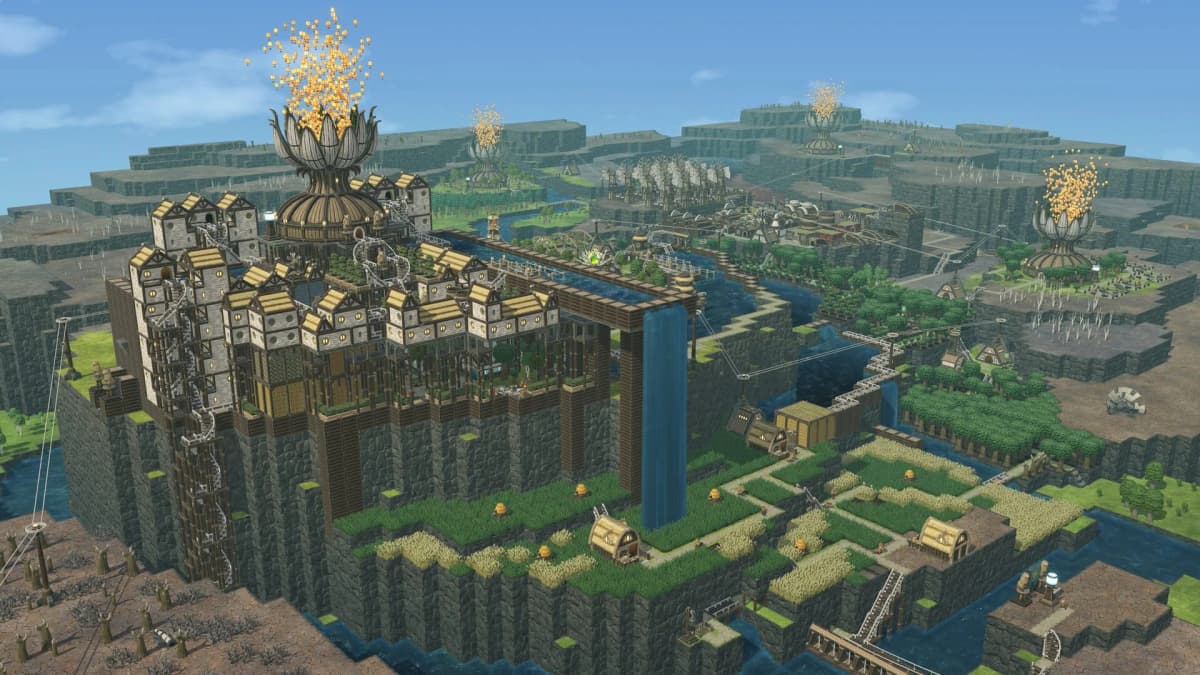
- Folktails: prioritize Wind Turbines and water management (Water Pump, Levees, Large Water Pump). The old advice to rush the Irrigation Tower is dead — that building was removed from the game, so it cannot be a tech target anymore. Note that both wind turbines are Folktails-exclusive: the standard turbine caps at 150 hp (needs 30%+ wind) and the large one at 300 hp (needs 20%+ wind). Size variable power to roughly 130–150% of demand. See our Folktails windmill guide for placement and output math.
- Iron Teeth: the Engine (their exclusive log-burning power building, constant horsepower) and the Efficient Mine are sensible early targets. The plain “Mine” is the Folktails variant — Iron Teeth want the Efficient Mine specifically.
If you have not committed to a faction yet, that choice shapes your entire tech path — our Folktails vs Iron Teeth guide walks through the tradeoffs.
Common mistakes
- Waiting for Update 8. It is not coming under that name. The newest content is the 1.1 experimental branch — opt in or stay on 1.0, but stop waiting.
- Chasing the Irrigation Tower. Old guides still name it; it was removed. Build Wind Turbines and water pumps instead.
- Opting into experimental without a backup. Experimental builds rebalance freely. Back up, or start fresh.
- Expanding before storage. Extra buildings do not help a colony that cannot drink through a drought.
- Delaying the forester. A wood economy without renewal feels fine right until it collapses.
Practical takeaway
There is no Timberborn Update 8 to prepare for — the game moved past numbered updates at 1.0, and the newest content is the 1.1 experimental branch. So check your actual version, back up before opting into experimental, and build the way Timberborn has always rewarded: water reserve first, a renewing wood economy, short paths, and faction-aware tech. The colonies that thrive on the next experimental build will be the ones already built on those fundamentals.
FinalBoss // Gear
Level up your setup
01Graphics cardson Amazon→02Gaming laptopson Amazon→03High-refresh gaming monitorson Amazon→04Discounted game keyson Kinguin→
Affiliate links · As an Amazon Associate, FinalBoss earns from qualifying purchases.
Want to Level Up Your Gaming?
Get access to exclusive strategies, hidden tips, and pro-level insights that we don't share publicly.
Ultimate Guide Strategy Guide + Weekly Pro Tips