

Table of Contents (17)
Getting Started in Windrose: Why These 5 Things Matter
After spending my first 10-12 hours in Windrose dying to boars, starving on beaches, and rebuilding my camp three times, it became obvious that a few core habits make the early game either smooth or miserable. This guide focuses on the five things I wish I had locked in from the very beginning – the stuff that actually changes how hard the game feels, not just trivia.
If you want to avoid wasting your first evenings constantly running back to your corpse or base, treat these five sections as your checklist: nail your combat, keep your buffs up, manage resources properly, use temporary camps, and plan your progression.
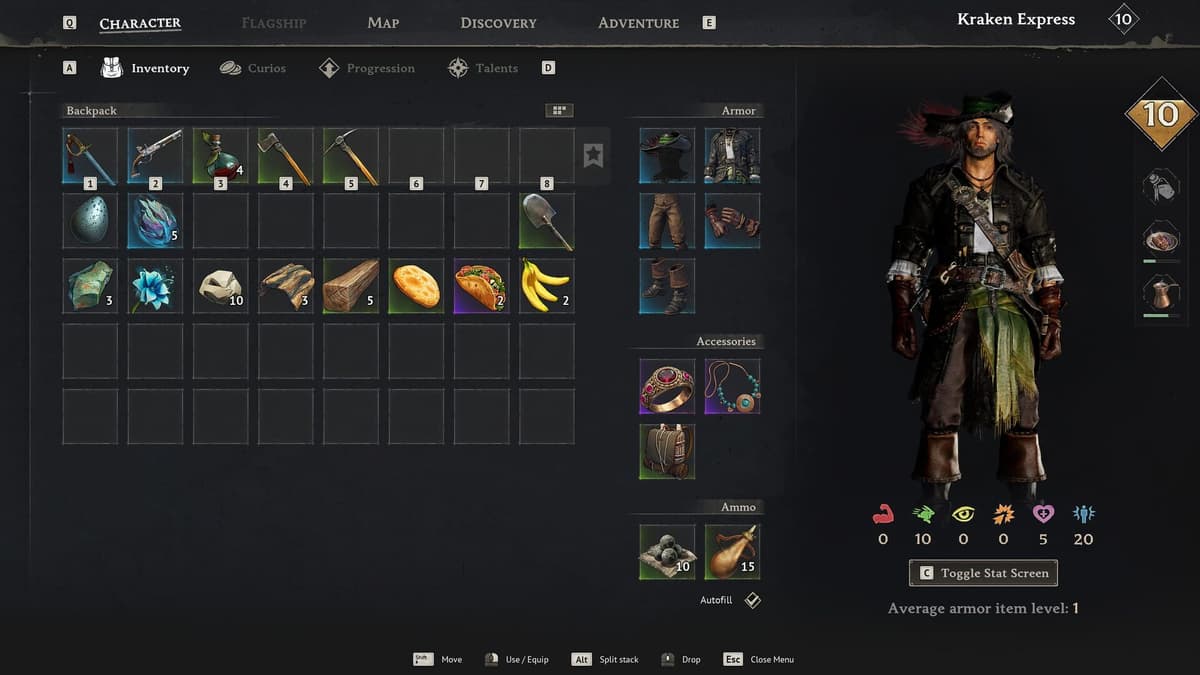
1. Master Combat Fundamentals Early (Or Everything Else Hurts)
Windrose looks like a chill pirate survival game until your first boar or dodo wrecks you in three hits. The combat has more in common with a light soulslike than with casual survival sandboxes. I learned very quickly that perfect blocking and dodging are not optional skills – they’re the difference between spending your resources on progress or on replacing gear and bandages.
Here’s how I’d recommend approaching combat in your first hours:
- Practice on weak enemies first. Find dodos and basic wildlife and use them as training dummies. Don’t rush to complete the boar hunt or other early combat quests until you’re comfortable with timing blocks and dodges.
- Learn the perfect block window. Instead of holding block constantly, wait for the attack animation to start, then tap block right before impact. A good perfect block will stagger many early enemies and open them to a counterattack.
- Dodge with intention, not spam. Rolling constantly drains stamina fast. Watch the enemy’s tells, then dodge through or sideways past the attack, not blindly away. Many enemies track you if you only backpedal.
- Respect your stamina bar. Early on, running, attacking, blocking, and dodging all compete for the same tiny pool of stamina. I died a lot because I spammed light attacks and then couldn’t dodge the big swing that followed.
One thing that helped me a lot was dedicating a few fights purely to learning instead of winning. I’d enter a fight and refuse to attack for the first 10–15 seconds, focusing only on watching swings, blocking, and dodging. Once your brain locks in the enemy rhythm, fights become far more predictable.
Common early combat mistakes to avoid:
- Trying to face-tank everything with raw health instead of blocking properly.
- Getting greedy: going for three hits when the enemy only safely allows one or two.
- Fighting uphill in bad terrain where the camera and hitboxes work against you.
- Chasing enemies into groups; always pull one target away if you can.
If you invest a single hour into deliberate combat practice early, every quest and island you tackle later will feel significantly less punishing.
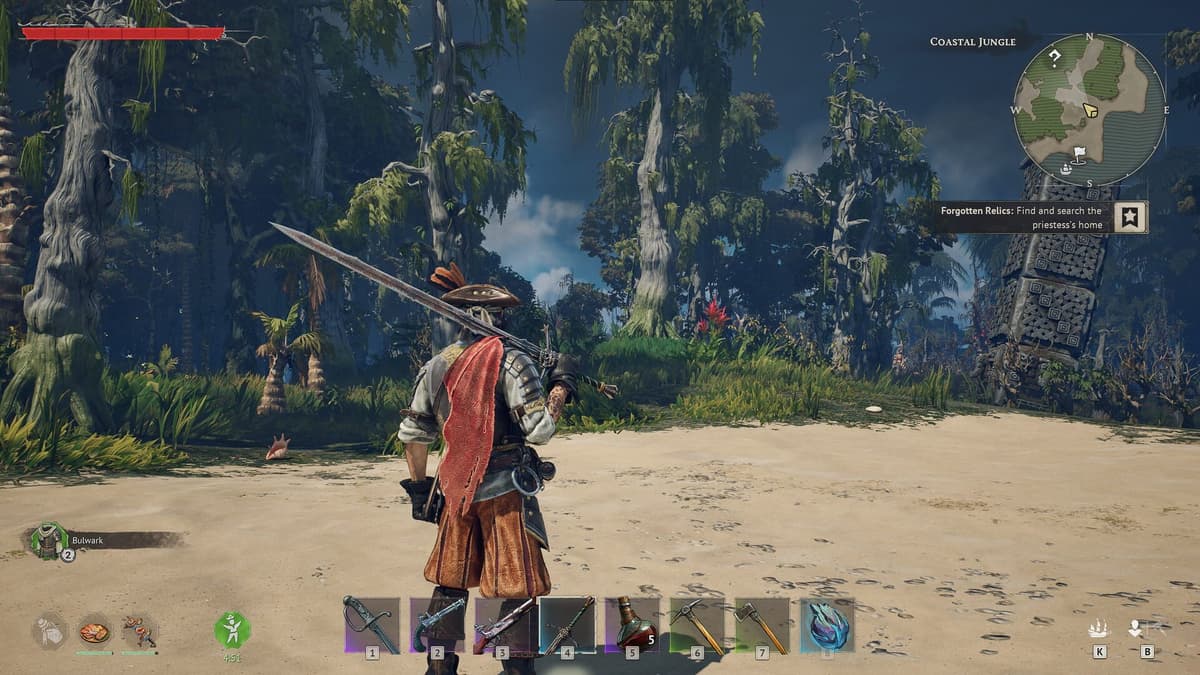
2. Treat Food and Comfort as Permanent Buffs, Not Emergencies
I made the classic survival-game mistake: I treated food as “oh no, I’m low HP, time to eat”, instead of as a permanent buff system. In Windrose, you want to run around already buffed, not scramble for snacks mid-fight.
Think of your early survival in two layers: food buffs and the Rested buff from your base Comfort.
Maintain Two Active Food Buffs
From the moment you can cook and gather decent ingredients, aim to always keep two different food buffs active. They typically add bonus health, stamina, or other helpful stats. In my runs, I try to keep:
- One “main” food that boosts health or defense.
- One “support” food that helps with stamina or damage.
Before heading into any fight, cave, or new area, I quickly stop, eat two meals, and top off healing items. Once this became habit, I stopped losing silly fights that I technically “should have won” but entered unprepared.
As a baseline for early exploration, I try to leave camp with:
- At least 10 bandages or equivalent healing items.
- About 10 portions of each of two different foods that give useful buffs.
Boost Base Comfort for a Longer Rested Buff
The game doesn’t scream this at you, but Comfort around your bonfire massively affects your Rested buff duration. Rested makes everything easier by improving regeneration and general survivability, and it stacks beautifully with your food buffs.
What finally clicked for me was understanding how Comfort works:
- Your bonfire has a circular radius where “base” items count for Comfort.
- Placing one item from each furniture subcategory (like stool, table, bed, decoration) is more valuable than spamming three identical stools.
- Once you have at least one of each type around the bonfire, your Rested buff can reach around 30 minutes instead of just a few.
My early mistake was dropping random clutter instead of planning a small, efficient base core. After reorganizing into “one of each needed type” around my central campfire, I could rest once and then roam for a long time with a strong buff.
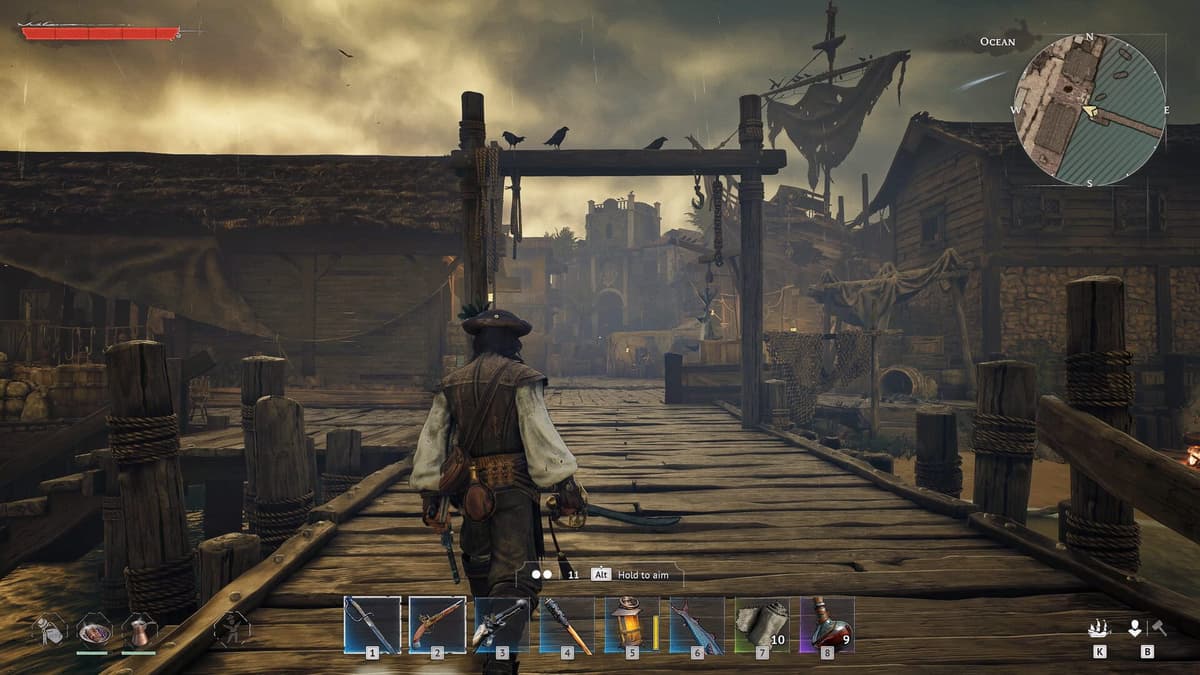
3. Always Carry Core Resources and Build Storage Early
Windrose rewards players who think like traveling carpenters. Once I started hoarding certain basics, the entire game opened up – I stopped running home just to craft a torch or build a quick ladder.
The “Big Four” to Hoard
Whenever I leave my base, I keep an eye on four core resources:
- Plant fiber – for bandages, simple tools, and early crafting.
- Wood – for torches, structures, and general building.
- Stone – for tools, campfires, and basic utilities.
- Nails – the hidden MVP for storage, building pieces, and repairs.
Plant fiber, wood, and stone are obvious; you’ll stumble over them constantly. Nails, on the other hand, feel scarce at first. I wasted early ones on random builds, then realized how critical they are for chests and storage. Once I focused on farming them, inventory management stopped being a nightmare.
Breaking down shipwreck debris with the right tools is one of the most reliable early ways I found to stock up on nails. Whenever I’m near a wreck, I make a point to strip it for parts.
Prioritize Storage Before Fancy Builds
My first base was full of half-finished walls and decorative nonsense, but only one small chest. I ended up leaving valuable loot on the ground because I had nowhere to stash it. Don’t repeat that mistake.
- Craft a couple of chests or baskets as soon as you reasonably can.
- Dedicate one storage to crafting basics (fiber, wood, stone, nails).
- Use another for food and alchemy items, so you can restock buffs quickly.
- If you find yourself overfilling chests often, that’s your signal to expand storage, not just to throw items away.
Having a clear place for each category of loot saves an enormous amount of time when you swing back to camp, refill, and head out again.
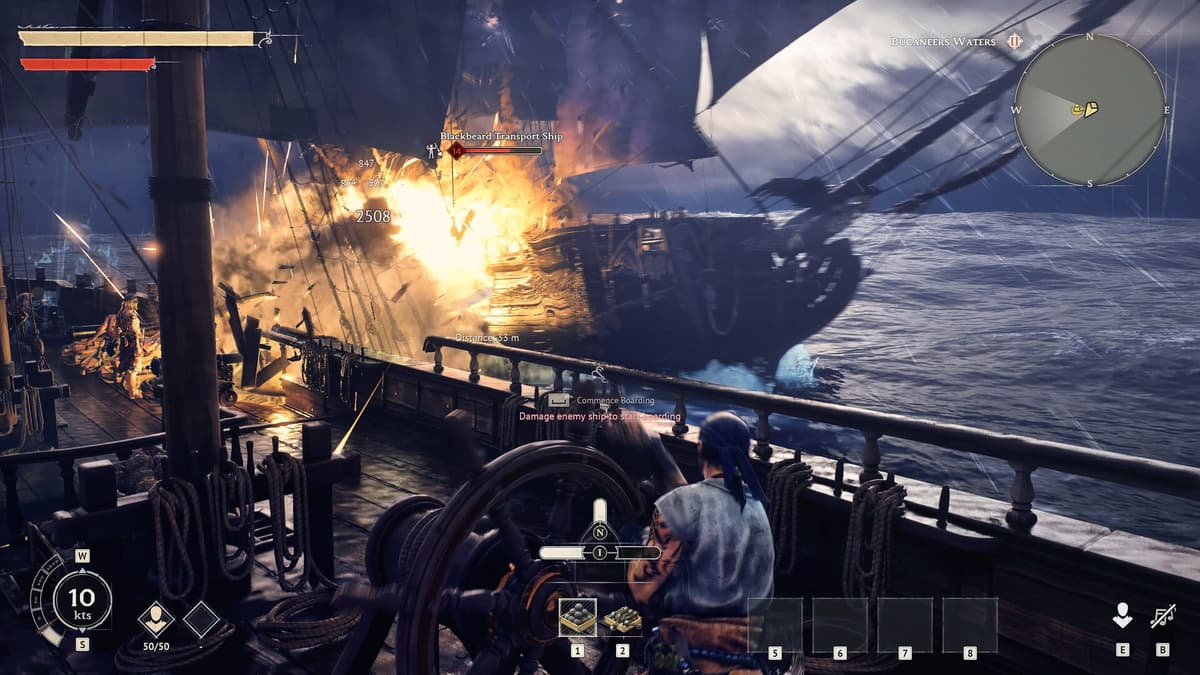
4. Build Temporary Camps and Use Bonfires Smartly
One of the best design decisions in Windrose is that many structures – like tents, bonfires, and fast travel bells – can be dismantled for a full refund of materials. The moment I embraced this, island exploration changed from stressful to flexible.
Make Mobile Safety Nets
Here’s how I now approach any new island or dangerous area:
- Land or arrive in the zone.
- Immediately build a tiny camp: a bonfire, a simple tent/bed, maybe a small chest.
- If unlocked, drop a fast travel bell nearby.
- Use this mini-camp as your local respawn and resupply point while you clear the zone.
- When done, dismantle everything and move those materials to the next frontier.
Because you get your materials back, you’re not “wasting” anything. You’re just relocating your safety net as you push deeper into the world. This dramatically cuts down on travel time after deaths or when you want to dump inventory mid-run.
Position Your Main Bonfire Carefully
On my first save, I slapped the main bonfire right next to the water because it looked scenic. I regretted it almost immediately. The bonfire’s build radius is a circle, which means if it’s on the coastline, half of that circle is wasted over the ocean.
On later saves, I dropped the bonfire farther inland, where the whole circle is usable land. This gives you much more space for Comfort items, crafting stations, and storage while staying within buff range.
As soon as the fire is placed, I also:
- Arrange one of each important furniture type inside the radius (for Comfort).
- Keep core crafting stations close enough that I can stand by the fire, get Rested, and still reach them.
- Leave room for future upgrades; don’t box the fire in with walls too early.
Between smart bonfire placement and mobile camps, you’ll spend far less time staring at loading screens and running back from your ship.
5. Plan Your Progression: Stats, Talents, and New Islands
Windrose doesn’t hold your hand much when it comes to character growth. I made the mistake of leveling up, closing the menu, and forgetting that I even had stat or talent points to spend. Unsurprisingly, I then felt artificially weak.
Spend Stat and Talent Points Regularly
After every level-up, get into the habit of immediately opening your character screen and assigning:
- Stat points into what you’re actually struggling with (for most beginners, that’s health and stamina).
- Talent points into either combat or survival paths that match your current goals.
Different players argue about whether health or stamina is more important early. From my experience:
- If you’re still learning combat timing, put a bit more into health to survive mistakes.
- If you’re comfortable with dodging and blocking, put more into stamina so you can attack, roll, and sprint more aggressively.
Ignoring your talents makes the game feel unfairly punishing. Spending them thoughtfully makes each island step feel like a natural difficulty curve instead of a brick wall.
Follow Quests, But Explore Safely
The main quests are worth following, especially early – they unlock bosses, better rewards, and new gear tiers. But pure beelining can get you killed if you don’t respect enemy group sizes and your own power level.
- On each new island, set up a mini-camp first, then start questing.
- Explore edges and climb structures for hidden loot crates, clotheslines, and tucked-away resources.
- When you see several enemies together, try to pull one away with a ranged attack or by inching closer and backing off, instead of charging into the group.
- Know when to run. In the early game, retreating is not failure; it’s smart resource management.
Second Island Priorities
Once you move beyond the very first area and hit your second island, the game “opens” a bit. What helped me keep momentum there was having a clear checklist:
- Drop a bonfire, tent/bed, and (if possible) fast travel as soon as you arrive.
- Locate mines and key resource nodes so you can start refining better metals and upgrading gear.
- Hunt down stable sources of potatoes, peppers, bananas or similar foods that give solid buffs.
- Keep an eye out for rarer plants like orchids that support better potions and advanced buffs.
By treating each new island like a mini-campaign – secure camp, secure food, secure resources, then push quests – the overall difficulty stays manageable and your deaths become learning experiences rather than hard resets.
Practical Takeaway: Build Good Habits, Not Just Better Gear
Windrose can feel brutal in the first few hours, but most of that pain comes from bad habits, not from the game being unfair. Once I focused on these five things – tight combat basics, permanent food and Rested buffs, always carrying core resources, using mobile camps, and actually spending my progression points – the whole experience shifted from “punishing” to “challenging but fair.”
If you’re just starting out, use this as your mental checklist:
- Can you reliably block and dodge early enemies?
- Do you have two food buffs and Rested before you leave base?
- Are you carrying fiber, wood, stone, and nails at almost all times?
- Have you dropped a temporary camp near the area you’re exploring?
- Did you actually spend your latest stat and talent points?
Answer “yes” to those consistently, and your early hours in Windrose will be far smoother. From there, you can start experimenting with more specialized builds, bigger ships, and harder islands, knowing your fundamentals are already solid.
Related Guides
- Windrose: How to Get Copper Ores and Copper Ingots – Fast Guide
- Windrose: How to Get a Ship – Ketch to Frigate Progression Guide
- Windrose: Fifteen Men on a Dead Man’s Chest Quest Walkthrough – Early-Game Guide
- Windrose: Best Stats to Allocate Early Game – Endurance First
- Windrose: All Faction Trader Locations & How to Use Them
FinalBoss // Gear
Level up your setup
01Top-rated gaming headsetson Amazon→02High-refresh gaming monitorson Amazon→03Gaming chairson Amazon→04Discounted game keyson Kinguin→Affiliate links · As an Amazon Associate, FinalBoss earns from qualifying purchases.
Want to Level Up Your Gaming?
Get access to exclusive strategies, hidden tips, and pro-level insights that we don't share publicly.
Ultimate Guide Strategy Guide + Weekly Pro Tips