
Table of Contents (19)
Why Copper Matters Early in Windrose
Copper is the first real tech jump in Windrose. The moment you start needing a shovel, better tools, or early firearms, everything bottlenecks on Copper Ingots. My first save stalled here because I was wandering the island surface looking for shiny rocks instead of going where copper actually is: caves and mines.
This guide walks you through, step by step, how to:
- Find and mine Copper Ore reliably on your starting island (Coastal Jungle biome)
- Stockpile the clay and stone you need for smelting
- Build Charcoal Kilns and Smelting Furnaces
- Convert ore into Copper Ingots without wasting time or resources
- Decide what to craft first so those ingots go as far as possible
Step 1 – Understand Where Copper Actually Spawns
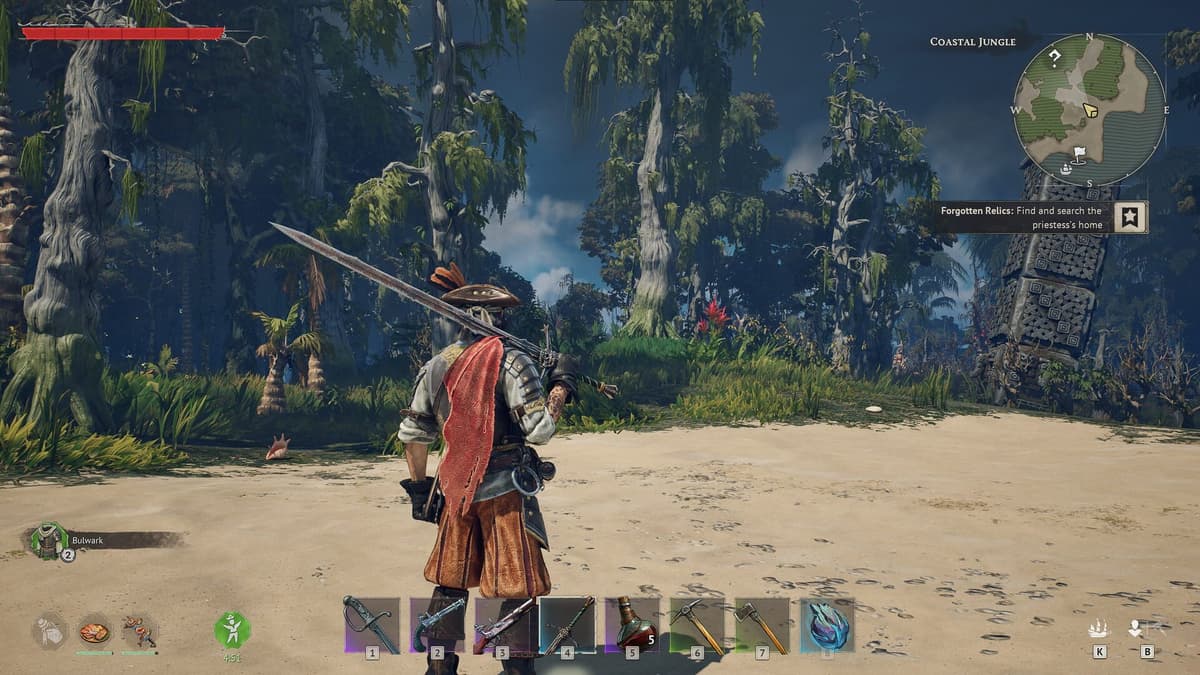
The big thing the game doesn’t spell out clearly: Copper Ore only comes from caves and mines in the Coastal Jungle biome. You will not find proper Copper Ore nodes just lying on beaches or cliffs, no matter how long you wander.
On the starter island, that means you need to look for a cave entrance or mine shaft that’s initially marked with a question mark (?) icon on your map. Once discovered, it will be labelled as a cave or mine and you can fast-recognize it later.
Inside these caves you’ll see:
- “Poor Copper Ore” deposits – small, orangey-brown patches on the walls or floor
- Larger copper ore patches half-buried in rubble (waste rock) that you must break open first
You cannot pick these up by hand. If you run up and spam the interact key and nothing happens, that’s expected. You need a pickaxe.
Step 2 – Get a Stone Pickaxe Before You Go
You don’t need advanced gear for copper, but you do need at least a basic pickaxe. A Stone Pickaxe is enough to mine every copper deposit I’ve found so far.
Craft it at your early workbench using common materials (stone and wood). The exact recipe is in your crafting menu, but the key points from experience:
- Craft one Stone Pickaxe specifically for ore and clay gathering
- Keep it at decent durability; a half-broken pick in the middle of a cave run wastes your time
- Bring at least one stack of food and a torch or other light source, because caves can be long
Once you have the Stone Pickaxe equipped, you’re ready to make your first real copper run.
Step 3 – Find and Clear Copper Inside the Cave
Head to the cave or mine entrance on your starting island. If you haven’t discovered it yet, just sweep the inland jungle area; look for a rocky opening on the minimap, often slightly inland from the coast.
Identifying Copper Nodes
Once inside:
- Look for orange-brown veins against darker rock with the “Poor Copper Ore” label when you aim at them
- Some deposits are buried behind “Waste Rock” chunks – grey rubble that must be mined away first
Use your Stone Pickaxe on any suspicious rubble piles. Many of the best copper spots are essentially hidden behind 2–4 swings worth of waste rock; the real copper vein appears only after you clear the junk.
What Yields to Expect
From a bunch of runs through the starter cave, yields feel roughly like this:
- Single “Poor Copper Ore” nodes: 1–3 Copper Ore pieces
- Larger buried patches: up to around 14 Copper Ore in total once you clear the waste rock and mine the full vein
One thorough lap of the cave, breaking all the rubble you see instead of just obvious copper, can easily give you enough ore for several dozen ingots later.
The mistake I made at first was just tapping obvious surface nodes and bailing. The real payoff is in breaking every suspicious pile of rubble until the cave is basically stripped.
Step 4 – Stockpile Clay and Stone for Smelting
Copper Ore by itself doesn’t do much. To turn it into Copper Ingots, you need two crafting stations:
- Charcoal Kiln
- Smelting Furnace
Both require clay and stone, so it’s worth doing a dedicated resource trip before you worry about smelting.
Finding Clay Efficiently
Clay appears as muddy, grey-brown rock clusters, usually:
- Along riverbanks and near water
- On low ground close to beaches
Mine these with any pickaxe. Each node tends to give a large amount in one go, often around 50–60 clay pieces. After you hit your first few clay spots, your map will start marking similar deposits, which makes future runs much simpler.
From experience, if you want a smooth copper progression, aim to get at least:
- 40 Clay for one Kiln and one Furnace
- Extra 20–40 Clay if you plan to add more Kilns/Furnaces soon (recommended)
Stone Requirements
Stone is much less of a bottleneck and comes naturally from mining other nodes and clearing rocks around your base. Still, you’ll need:
- 30 Stone for the Smelting Furnace
- Plus extra for general building and tools
Step 5 – Build Your Charcoal Kiln and Smelting Furnace
Once you have copper, clay, and stone in hand, set up your smelting area. I like to build it just outside my main base so I can hear and see it running while I craft or sort inventory.
Charcoal Kiln Recipe
Open Build Mode (use the key shown in your HUD) and place a Charcoal Kiln. Current cost in the latest build I’ve played:
- 20 Clay
- 20 Wood
The Kiln converts raw Wood into Charcoal, which is the fuel you’ll burn in your Furnace.
Smelting Furnace Recipe
In the same build menu, place a Smelting Furnace. Cost:
- 15 Clay
- 30 Stone
Put these two structures near each other so you can shuttle Charcoal straight from Kiln to Furnace without jogging across your base.
Worth noting: discovering Copper Ore and Clay for the first time often unlocks the related recipes in your build menu. If you haven’t seen the Kiln or Furnace options yet, make sure you’ve actually harvested both materials at least once.
Step 6 – Turn Wood into Charcoal
The Charcoal Kiln’s whole job is to turn cheap Wood into Charcoal fuel. Interact with the Kiln and:
- Place 1 Wood into the Kiln inventory
- After a short processing time, it outputs 1 Charcoal plus 1 Ash
The bad news is that this is slow if you only have one Kiln. The good news is that wood is everywhere. The setup that felt comfortable for me was:
- 2–3 Charcoal Kilns running constantly whenever I’m back at base
- Dedicated wood chopping runs to keep them fed
That way, by the time I return from a cave trip with new Copper Ore, I already have a stack of Charcoal waiting and don’t have to sit around watching progress bars.
Step 7 – Smelt Copper Ore into Copper Ingots
Now for the important ratio. In the current version, the Smelting Furnace uses:
- 4 Copper Ore + 1 Charcoal → 1 Copper Ingot
Interact with the Furnace, put in your ore and Charcoal, then start the smelting process. Each ingot takes a noticeable amount of time, which is why stacking multiple Furnaces becomes attractive once you can afford extra clay and stone.
In practice, a good early-game base setup looks like this:
- 2–3 Charcoal Kilns
- 2 Smelting Furnaces
- A couple of storage containers nearby for ore, ingots, and ash
With that arrangement, it feels natural to drop off ore, refill fuel, and collect finished ingots every time you swing through base between quests or island trips.
Common Mistakes to Avoid
Most of my wasted time with copper came from a few simple errors. If you dodge these, you’ll progress much faster.
- Searching the surface for copper – all meaningful copper is in caves or mines in the Coastal Jungle biome, not random cliff faces.
- Going to the cave without a pickaxe – you can’t grab ore by hand; a Stone Pickaxe is mandatory.
- Ignoring waste rock – a lot of the richest veins are hidden behind “Waste Rock” that looks boring at first glance.
- Building only one Kiln and one Furnace – technically enough, but painfully slow once you want dozens of ingots.
- Burning all wood in campfires – remember you’ll need a steady supply for Charcoal production later.
What to Craft First with Copper Ingots
Because copper is your first real gating resource, spending those early ingots wisely makes a huge difference. Based on my own progression, here’s what paid off most:
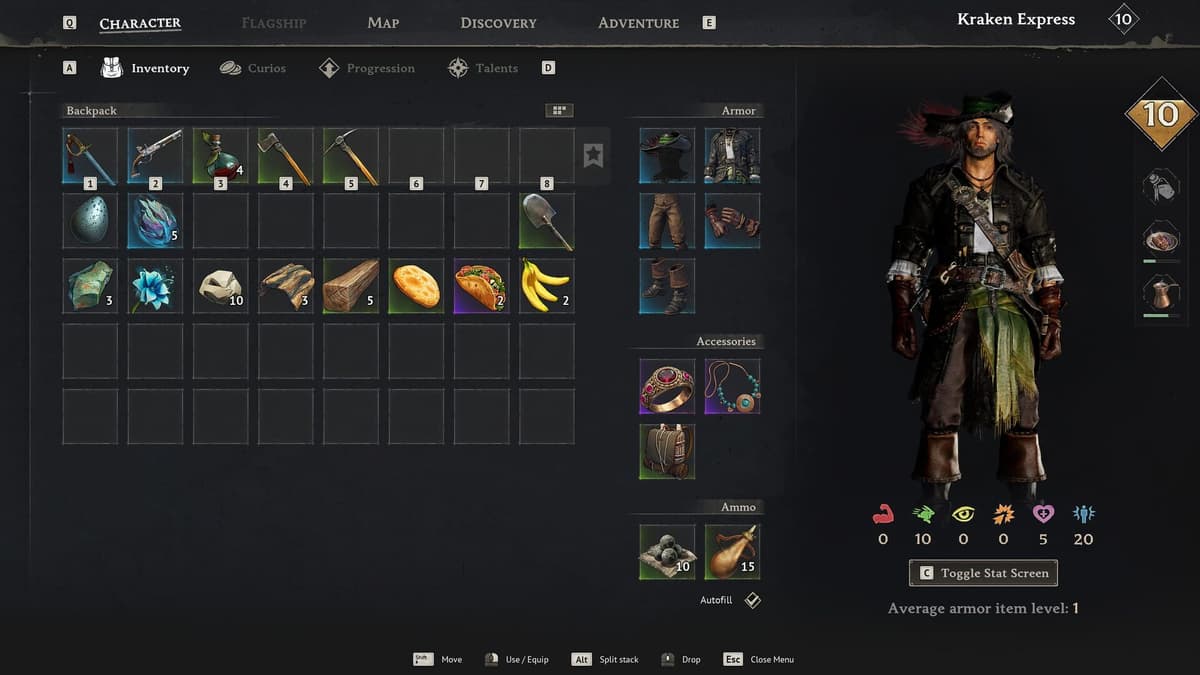
- Shovel (3 Copper Ingots + 10 Wood) – unlocks treasure, certain quest objectives (like “Fifteen Men on a Dead Man’s Chest”), and buried loot. This is usually my first major copper craft.
- Upgraded tools – Copper Pickaxe / Copper Axe (5 Ingots + 5 Wood each) – faster gathering speeds, better durability, and access to tougher nodes.
- Early weapons – Pistol or club variants (~5 Ingots + 10 Wood) – if you’re struggling in combat, a reliable weapon can be worth prioritizing.
- Utilities – Fast Travel Bell (10 Ingots + 3 Rope) – once you’re settled, this massively cuts down on travel time between key points.
If you only have a small stash of copper at first, I’d recommend: shovel → pickaxe upgrade → axe → then branch into weapons or utilities depending on your playstyle.
Bonus Tip – Getting Copper Nails Without Smelting
Copper Nails usually cost ingots (typically 1 Copper Ingot for 5 Nails). If you’re tight on copper, you can sometimes shortcut this by chopping apart coastal shipwrecks. These ruined hulls often drop Copper Nails directly, saving you from melting down ingots just for fasteners.
I lean on this trick when I want to reserve early ingots for tools and weapons instead of building parts.
Putting It All Together
The copper loop in Windrose is simple once you see the whole chain laid out:
- Find a cave or mine in the Coastal Jungle biome on your starter island
- Bring a Stone Pickaxe and mine every copper node and waste rock patch you see
- Gather plenty of clay (near rivers and coasts) and stone for your forge setup
- Build at least one Charcoal Kiln (20 Clay, 20 Wood) and one Smelting Furnace (15 Clay, 30 Stone)
- Run Kilns constantly to turn wood into Charcoal
- Smelt at a 4 Copper Ore : 1 Charcoal ratio to produce Copper Ingots
- Invest your first ingots in key tools like the shovel and upgraded pickaxe
Once this loop is running smoothly, copper stops feeling like a choke point and becomes just another background resource you maintain while focusing on exploration and quests. Aim for a small but efficient smelting yard early, and everything that depends on Copper Ingots in Windrose opens up much faster.
Related Guides
- Windrose: Beginner Guide – 5 Things to Know When Starting Out
- Windrose: How to Get Gunpowder – Crafting and Farm Guide
- Windrose: How to Get Lamp Oil and Refill Your Lamp Efficiently
- Windrose: How to Get Rough Hide Fast – Best Farming Routes
- Windrose: How to Fast Travel with Bells – Crafting & Usage Guide
FinalBoss // Gear
Level up your setup
01Top-rated gaming headsetson Amazon→02High-refresh gaming monitorson Amazon→03Gaming chairson Amazon→04Discounted game keyson Kinguin→Affiliate links · As an Amazon Associate, FinalBoss earns from qualifying purchases.
Want to Level Up Your Gaming?
Get access to exclusive strategies, hidden tips, and pro-level insights that we don't share publicly.
Ultimate Guide Strategy Guide + Weekly Pro Tips