
Table of Contents (18)
Why These Discoveries Matter (And How I Learned the Hard Way)
After spending roughly 40 hours combing through Windrose’s early biomes, I finally stopped treating resources as “just crafting mats” and started treating them as discoveries that unlock the entire progression chain. This guide breaks down every key collectible I actually needed from the Coastal Jungle, Foothills, and Cursed Swamp, plus the spots and habits that worked, and the rabbit holes that wasted my time.
If you only take one thing from this guide: progression in Windrose is gated less by levels and more by a short list of crucial discoveries in each biome. Knock those out in the right order, and the grind turns into a smooth climb instead of a brick wall.
Coastal Jungle – Early-Game Discoveries You Should Rush
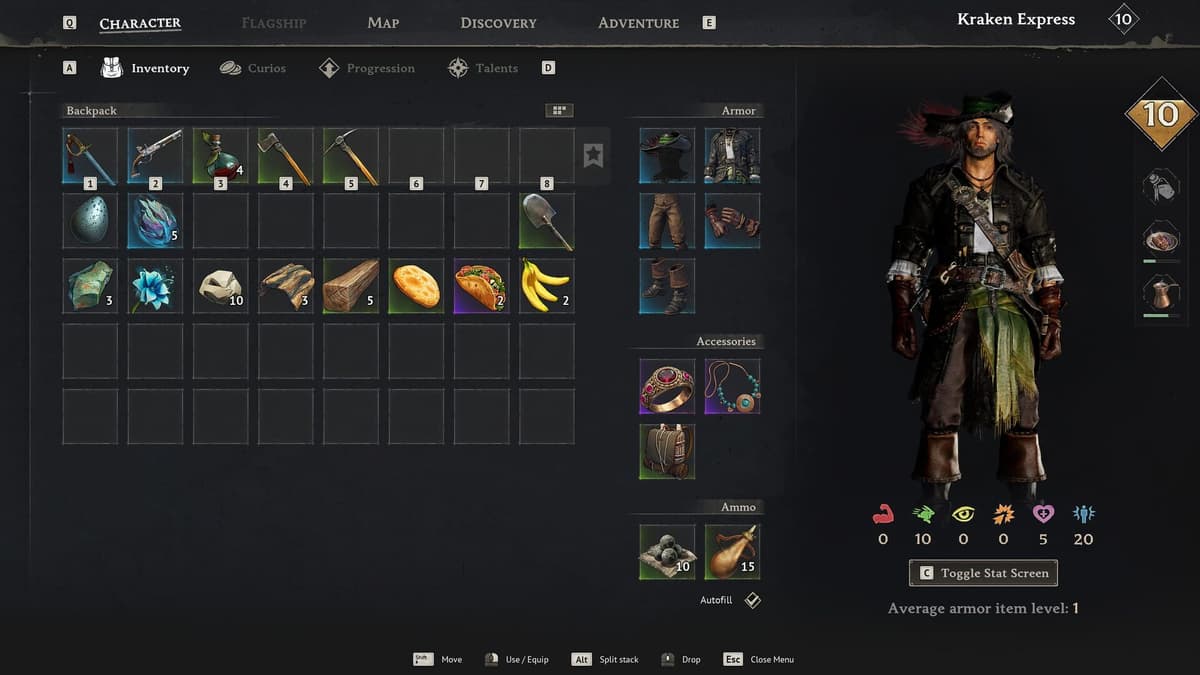
The Coastal Jungle is where I made most of my early mistakes: hoarding junk, ignoring ore, and wondering why my crafting stalled at low levels. Here are the discoveries that actually move the needle.
1. Copper Ore – Your First Real Bottleneck
Everything important in the early game flows from Copper Ore. I tried to brute-force with basic tools for way too long; the breakthrough came when I committed one full daytime loop to doing nothing but mining.
How to get it reliably:
- Hug the rocky cliffs and inland outcrops on your starter island.
- Look for dull brownish rock nodes with metallic streaks – they blend in more than you’d expect.
- Use your starter pickaxe and mine every node you see, even if you think you “have enough.” You don’t.
- Smelt at your basic furnace to turn ore into Copper Ingots.
Why it matters: Copper Ingots unlock better tools (saber, axe, pickaxe) and key structures, and you’ll need a stack for the Fast Travel Bell.
2. Fast Travel Bell – Coastal Jungle’s Biggest Quality-of-Life Unlock
I delayed making this and massively regretted it. The Fast Travel Bell is how you break out of the pure rowboat life and start bouncing between spots efficiently, and it’s directly tied to moving on to the Foothills.
Crafting vs. finding:
- Several guides (and in-game tooltips) point to a recipe of 10 Copper Ingots + 3 Rope at a basic workbench.
- In my playthrough I also looted one from a chest, so both routes seem to exist. Treat the recipe as plan A and chest hunting as a bonus.
Practical steps:
- Rush Copper Ore first until you have at least 20–25 ingots; don’t spend yourself dry on tools before the Bell.
- Farm Rope by breaking bushes and processing plant fiber at your workbench.
- Craft the Bell, place it at a safe, central base, and set it as your main hub for the Coastal Jungle.
Once I had the Bell down, doing targeted runs for rare drops (like Crab Shells and seeds) became much less painful.
3. Clay, Food Crops, and Farmable Seeds
This is where I wasted the most time: I kept eating every banana and sweet potato I found, then wondered why I had nothing to plant later.
Clay:
- Look along sandy shorelines and shallow water edges for slightly darker, rounded deposits.
- Mine with your pickaxe; Clay is used for bottles and building blocks.
- I found it easiest to circle the beach at low-traffic times (early morning in-game) so I could see the subtle color difference.
Bananas and Sweet Potatoes:
- Bananas: chop banana trees (thin trunks with broad leaves and visible bunches).
- Sweet Potatoes: look for low plants in more open jungle clearings.
- Seeds for both can drop while harvesting or chopping, but they’re rare enough that you should consciously save a few raw items instead of eating everything on sight.
Once I had even a tiny farm going near my Bell, I stopped constantly scrambling for basic healing food and could focus on real discoveries.
4. Combat & Utility Collectibles: Dodo Egg, Cayenne Pepper, Rum Bottle, Steel Nails
These feel “extra” at first, but they quietly enable better food buffs and ship sustain.
- Dodo Egg: loot from dodo nests; I find them by listening for the distinctive dodo calls and checking brushy clearings.
- Cayenne Pepper: harvest from small bushes with red pods; usually near other wild crops.
- Rum Bottle: check decrepit chests around shipwrecks and defeat pirates; used later for recipes like Gunroom Grog.
- Steel Nails: found in shipwreck chests and some coastal ruins; vital for Combat Repair Kits so you can keep your ship alive during mistakes.
I started grabbing every Rum Bottle and Steel Nail I saw after realizing how often I was limping home with a barely-floating hull.
5. Rare Coastal Jungle Drops – Crab Shells, Tree Seeds, Trophies
These are the items most people (including me) miss or assume are bugged. They’re not bugged, just stubborn.
Crab Shell:
- Hunt the non-hostile red crabs scuttling along beaches.
- Ignore the spiky, aggressive Thorn Fiddlers – they don’t drop the Discovery you need.
- I had to kill a frankly ridiculous number before I got my first shell, so don’t stop after a handful of runs.
Palm, Ficus, Banana Seeds:
- Random drops from chopping down the respective trees and clearing foliage.
- My routine became: every time I traveled somewhere, I’d clear a few trees on the way back purely for seed chances.
- There’s no visible “pity system” – some sessions I’d get nothing, then suddenly two or three seeds in a row.
Trophy heads (Boar, Dodo): You’ll occasionally pull these from standard kills. I wouldn’t grind these early; they came naturally while farming meat and hides.
Foothills – Mid-Game Collectibles That Unlock Real Power
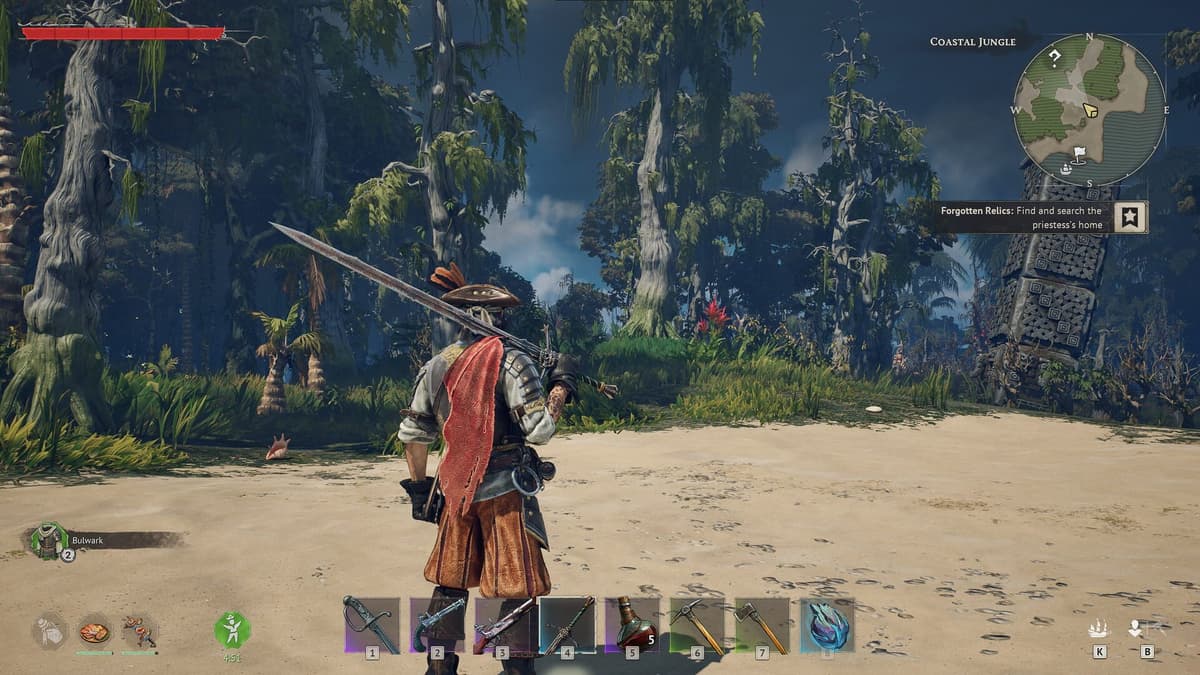
Once you’ve got your Coastal Jungle basics and Fast Travel Bell sorted, the Foothills is where Windrose opens up. This is also where enemies spike in difficulty, so I strongly recommend entering with upgraded weapons and a small stockpile of healing food.
1. Sulfur, Salt, Cane Sugar – The Crafting Triangle
Sulfur:
- Look for yellow-streaked rock deposits on cliff faces and rocky outcrops.
- Mine with your upgraded pickaxe; deposits are denser than coastal ore, so plan inventory space.
- If you’re short, check traders – I’ve seen Sulfur for sale for a few dozen Piasters, which is worth it if you’re time-limited.
Salt: shows up in pale rock formations and as loot when boarding certain ships. I treat it as a “grab whenever you see it” resource; it feeds into preserving food and some later recipes.
Cane Sugar: harvested from wild cane (tall, reed-like plants) and sometimes as boarding loot. I cleared riverbanks and marshy edges systematically until I had a baseline stack.
2. Animal Drops – Wolf Fang, Bezoar, and Rare Heads
Foothills fauna hits harder than Coastal, but the drops are worth it.
- Wolf Fang: from wolves in packs. Pull them one at a time with ranged hits if you can; getting surrounded here is how I lost a lot of gear.
- Bezoar: from goats and some boars. I farmed the more open hillsides where they roam in groups.
- Wolf Head / Head of Mountain Goat Leader: rare trophy drops from tougher variants or “leader” animals. I only started seeing these once I was naturally clearing packs for food and hide anyway.
These discoveries feed into higher-level crafting and base decoration, but their real value is as mid-game milestones: if you’re collecting them consistently, your gear and combat fundamentals are in a good place.
3. Divi-Divi Trees, Flax Fibers, Corn – Ship and Gear Upgrades
This trio is what pushed my account from “barely surviving” to “comfortably progressing.”
Divi-Divi Trees:
- Look for twisted, distinctive trees growing in small copses in the Foothills.
- Chop them for Hardwood and Tree Bark, both essential for ship upgrades.
- I started pin-dropping clusters on my map so I could run a quick hardwood loop whenever I was low.
Flax Fibers:
- Found as purple-flowered plants in grassy open areas.
- Harvest them aggressively; you’ll turn Flax into Linen Fabric, which the Brigantine and better armor sets lean on heavily.
- This was another “dedicated run” resource for me – I’d do 15–20 minutes of pure Flax gathering to avoid being bottlenecked mid-upgrade.
Corn:
- Surprisingly rare; I had the best luck near Ancient Villages or statues on multiple Foothills islands.
- Once you find some, do not eat all of it. Hold back at least one for farming and discovery completion.
With Divi-Divi, Flax, and a few Corn plants established, you’re effectively set up for the jump into the Cursed Swamp and level 11+ crafting.
Cursed Swamp – High-Tier Crafting and Risky Collectibles
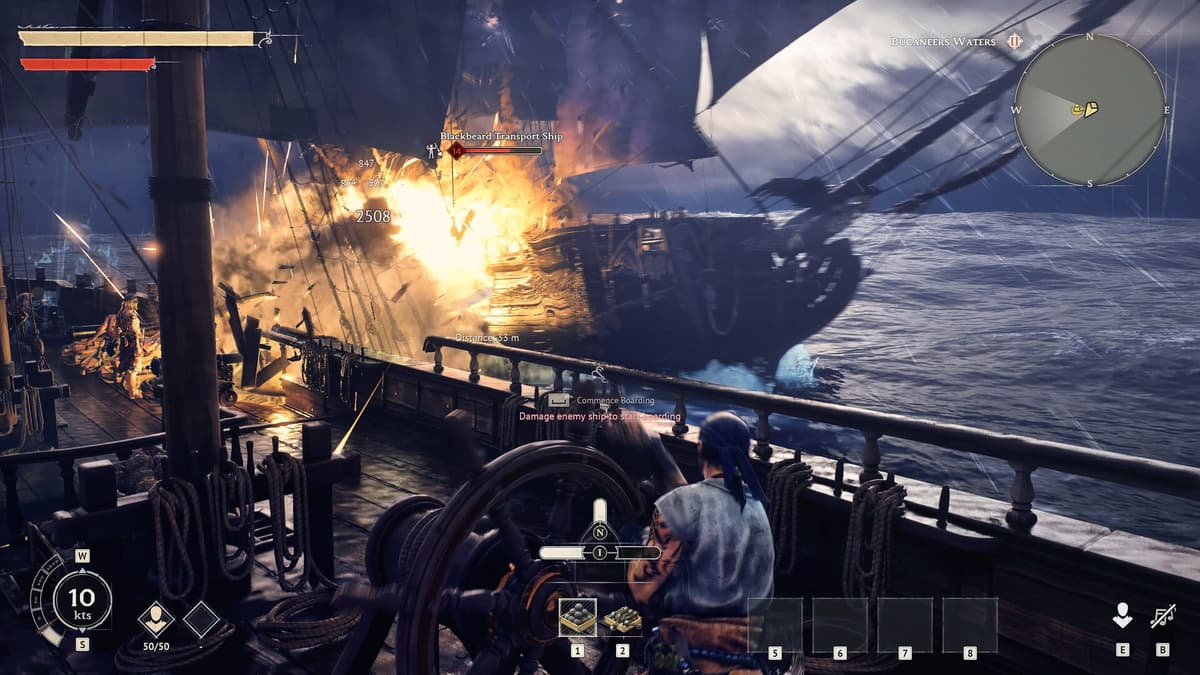
The Cursed Swamp is where the game expects you to know what you’re doing. Enemies are nastier, visibility is worse, and the terrain punishes sloppy movement. I only moved here once my Foothills gear felt solid and I had a stable food supply.
1. Ancient Scraps – The Backbone of Advanced Crafting
Ancient Scraps are mined primarily in and around Ancient Ruins. Think of them as the “metal of the gods” tier compared to your early Copper.
- Scout for ruin structures in the swamp – broken stone, arches, and unnatural geometry stand out in the murk.
- Mine every metallic-looking node; Ancient Scraps sit slightly apart from normal ore visually.
- They feed into late-game stations like the Jeweler’s Bench and Large Smelting Furnace, which unlock better weapons, jewelry, and bulk smelting.
2. Crocodile Hide Pieces – Big Risk, Big Reward
Crocodiles are one of the nastier swamp threats, but their Hide Pieces are mandatory for serious carry upgrades like the Material Rack and Quartermaster Backpack.
- Fight them in shallow water or firm ground where you can circle-strafe; deep water is a death sentence.
- Use ranged pokes to trigger their charge, dodge sideways, then punish during their recovery.
- Expect to burn healing; I always brought a backup weapon in case of durability breaks mid-fight.
Once I crafted a better backpack with these hides, my entire resource flow changed – fewer trips home, more discoveries per run.
3. Essence Arborum – Alchemy and Bullet Upgrades
Essence Arborum doesn’t just drop; you’ll craft it at an Alchemy Table. It’s a refining step that ties your resource grinding together.
What it’s used for:
- Ingot Arborum and Bullet Arborum – stronger gear and ammunition.
- Items like the Minor Sun Ring, which push your character into a higher performance tier.
My advice is to treat any Essence Arborum craft as a deliberate decision, not something you spam – it’s easy to burn rare mats on suboptimal upgrades if you are not planning ahead.
Efficient Discovery Hunting Across All Three Biomes
Once I stopped flailing and started playing methodically, my discovery completion rate jumped. Here are the habits that made the biggest difference across Coastal Jungle, Foothills, and Cursed Swamp.
- Do focused runs. Pick a single goal – “Crab Shells,” “Flax,” “Ancient Scraps” – and dedicate a full in-game day to it instead of half-looting everything.
- Use the Fast Travel Bell intelligently. Drop one at your main base, and later at key biome hubs. The less time you spend rowing, the more attempts you get at rare drops.
- Mark rich zones. Any time you find a good cluster of Divi-Divi, Flax, or Ancient Ruins, add a personal marker. You’ll thank yourself when you need to refill quickly.
- Check traders for pain points. Items like Sulfur and Salt can often be bought, letting you skip the most annoying parts of their grind if your wallet allows it.
- In multiplayer, share discoveries. If a friend has already looted something, dropping it or storing it in a shared chest can advance your Discovery list without you personally farming that exact node or drop.
Practical Wrap: The Cleanest Discovery Order
If you want a smooth progression through Windrose’s early biomes without getting stuck on missing collectibles, this is the order that felt best after my trial-and-error:
- Coastal Jungle: Copper Ore → Fast Travel Bell → Clay + basic foods (Banana, Sweet Potato) → seeds and minor buffs (Dodo Egg, Cayenne, Rum, Steel Nails) → grind out Crab Shell and tree seeds over multiple casual runs.
- Foothills: Sulfur, Salt, Cane Sugar → Flax Fibers and Divi-Divi Trees for fabric and hardwood → Corn near Ancient Villages → animal drops (Wolf Fang, Bezoar, trophy heads) as you naturally clear the area.
- Cursed Swamp: Find Ancient Ruins and mine Ancient Scraps → target Crocodile Hide Pieces to unlock better carry capacity → push into Essence Arborum crafting once you’re comfortable in the biome.
Handled in that sequence, each biome funds the next instead of walling you off. You spend less time wondering what obscure drop you’re missing, and more time actually sailing, fighting, and building out the pirate sandbox Windrose is clearly designed around.
Related Guides
- Windrose: Beginner Guide – 5 Things to Know When Starting Out
- Windrose: Fifteen Men on a Dead Man’s Chest Quest Walkthrough – Early-Game Guide
- Windrose: How to Find Traveler’s Camp Second Chest – Hidden Chest Guide
- Windrose: How to Get Copper Ores and Copper Ingots – Fast Guide
- Windrose: How to Fast Travel with Bells – Crafting & Usage Guide
FinalBoss // Gear
Level up your setup
01Top-rated gaming headsetson Amazon→02High-refresh gaming monitorson Amazon→03Gaming chairson Amazon→04Discounted game keyson Kinguin→Affiliate links · As an Amazon Associate, FinalBoss earns from qualifying purchases.
Want to Level Up Your Gaming?
Get access to exclusive strategies, hidden tips, and pro-level insights that we don't share publicly.
Ultimate Guide Strategy Guide + Weekly Pro Tips