
The Arc Turbine looks like a giant floating target, so most first attempts pour rounds into the outer shell and run dry for almost no damage. That is the trap. The Turbine only takes real damage in one place, during one window, and the rest of the fight is about surviving long enough to keep hitting it.
Table of Contents (18)
The short version
- Stop shooting the outer shell. The weak point is the exposed yellow inner core — a cluster of yellow cylinders revealed only when the Turbine lands and opens up.
- Use an armor-piercing weapon. Jupiter is the top solo pick; Hullcracker is the budget choice you can buy from traders.
- Fight from hard cover. The Turbine seeds mines around its landing zone and throws lightning, so open ground gets you downed.
- Burst the core on landing, then break line of sight and wait for the next window. Do not chase it.
- The kill drops the Turbine Compressor, the key crafting part on the path to the Powered Descender.
Why the weak point matters more than raw damage
The Arc Turbine’s only reliable damage window is its exposed inner core — a cluster of yellow cylinders that becomes visible when it lands or opens up. While it is airborne and closed, body shots are nearly wasted ammo. That is why the enemy feels overtuned at first: the problem is not your DPS, it is your target.
The Turbine fights in two phases. While it is airborne, your job is survival, line-of-sight denial, and tracking where it will settle. While it is grounded with the core exposed, your job is concentrated weak-spot damage. Separate those two phases and the encounter becomes readable instead of chaotic.
Best weapons and loadout for a safe kill
Armor-piercing damage is what cuts through the Turbine. Jupiter is the strongest solo pick — armor-piercing, long range, and ideal for safe peeking from cover. Hullcracker is the budget alternative: you can buy it from traders, so you do not need top-end gear to clear this fight.
- Jupiter: The premium solo choice. Armor-piercing, long range, accurate burst into the core, and forgiving for step-out-and-tuck-back peeking.
- Hullcracker: The budget pick. Purchasable from traders and easy to get, which makes it the practical anti-Turbine option if your stash is thin.
- Equalizer and Bettina: Both are viable alternatives if your current build supports them better.
- Deadlines: High-damage explosive mines that can delete the core if placed during the landing window, but the timing is strict and the close range puts you in the Turbine’s own mine field. Risky.
Whatever you bring, build the rest of the loadout around survival. Extra healing, mobility, and enough ammo to sustain several landing cycles matter more than a flashy one-phase kill. The Turbine punishes empty magazines and bad positioning far harder than it punishes modest DPS.
How to destroy the Arc Turbine step by step
1. Pick the fight from cover, not open ground
Choose your terrain before you commit. Buildings, rooftops, rock edges, and broken sightlines are ideal because the Turbine’s lightning and splash pressure are far worse when you have to run in a straight line. You want a firing angle where you can step out, hit the core, and immediately tuck back in.
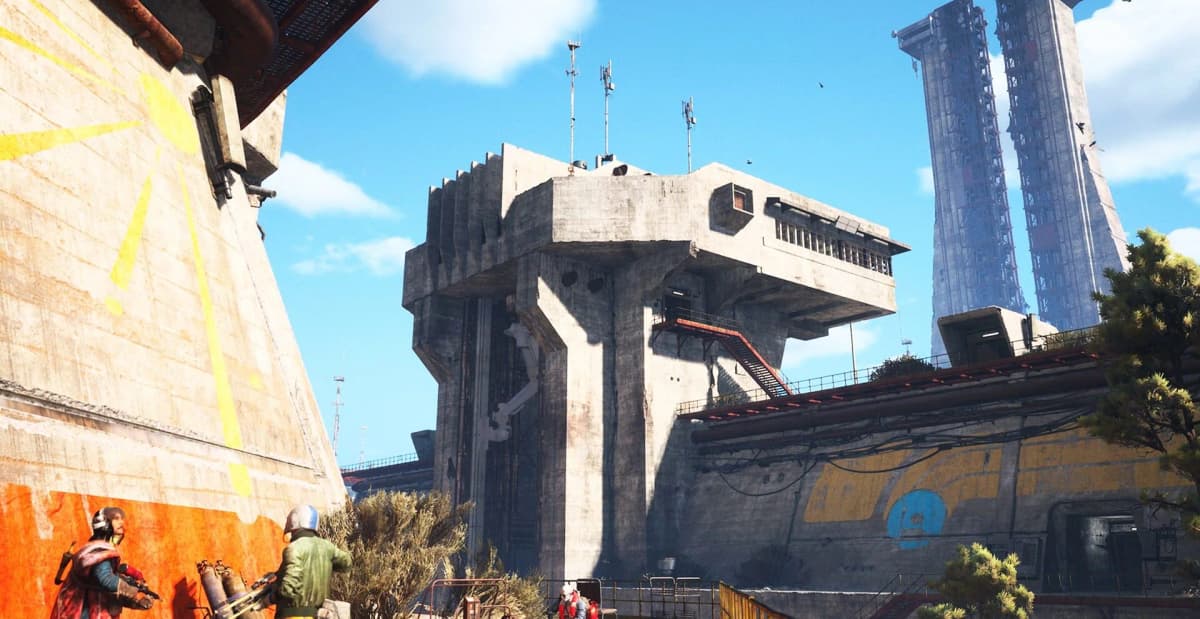
If the only terrain is flat and exposed, delay the engagement or rotate to a better angle. The Turbine is one of the clearest fights in ARC Raiders where cover is part of your damage plan, not just defensive comfort.
2. During the airborne phase, prioritize survival and tracking
While the Turbine is still floating, do not tunnel on damage. Watch its movement, keep distance, and note where it is about to land. This is when overextending is most punishing: if you burn stamina, drift into lightning, and leave cover just to chip armor, you set yourself up to miss the real opening.
Treat this phase as setup. Reload now. Heal now. Clear your path now. Most players who lose control of the fight are doing too much during the wrong phase.
3. The moment it lands, snap to the yellow core
As soon as the Turbine settles and exposes its center, switch from patient movement to precise aggression. Aim for the yellow canisters in the middle, not the outer frame. This is the part that actually shortens the fight. Solo, this is where Jupiter or Hullcracker earns its keep. In a squad, call the weak point and stack damage there immediately.
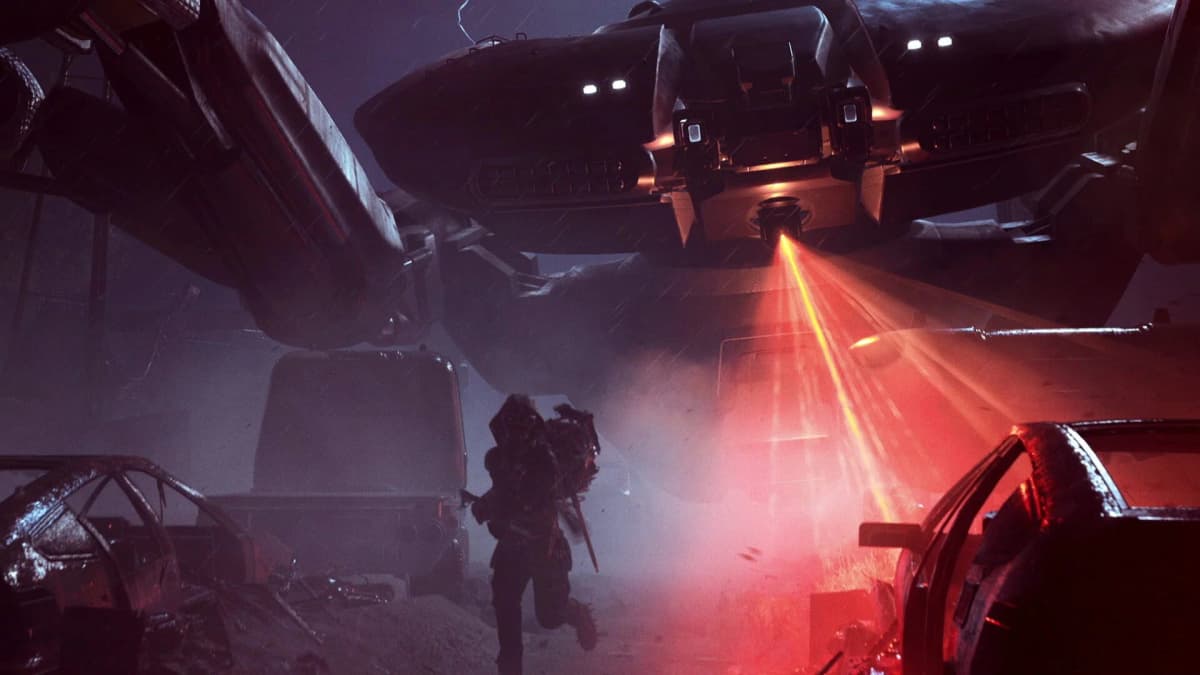
Do not get baited into walking under it unless the area is already clear. The grounded phase looks inviting, but it is also when players die to nearby mines or eat splash trying to shave off another second. A medium-range core burst from cover is the most consistent method.
4. Reset as soon as the window closes
Once it lifts or closes back up, the damage race is over. Break line of sight, re-center, and wait for the next landing. This reset is what turns a messy fight into a controlled loop. The Turbine is dangerous when you chase it and manageable when you force it to fight on your rhythm.
How to deal with mines and lightning
The Turbine’s area denial is the real reason close-range strategies are so risky. It deploys mines around its landing zone, so the instinct to sprint inward and shoot point-blank is exactly what gets you downed. Even if you survive the mines, the vulnerability window is short enough that the run-in often costs more time than it saves.
Lightning is the second punish. Hard cover blocks most of it, but sloppy peeks still get clipped. Keep your exposure short: step out, fire a controlled burst into the core, step back. If you use a rooftop or high sightline, make sure it has a retreat route — high ground helps you track the Turbine, but it is only good cover if you can break line of sight fast.
Solo play versus squad play
Solo is slower, and the same rules hold harder because every mistake costs more with no one covering your reset. Stick to the conservative plan: safe angle, weak-spot burst, full reset. A stylish kill is rarely worth one bad mine or lightning hit ending the attempt.
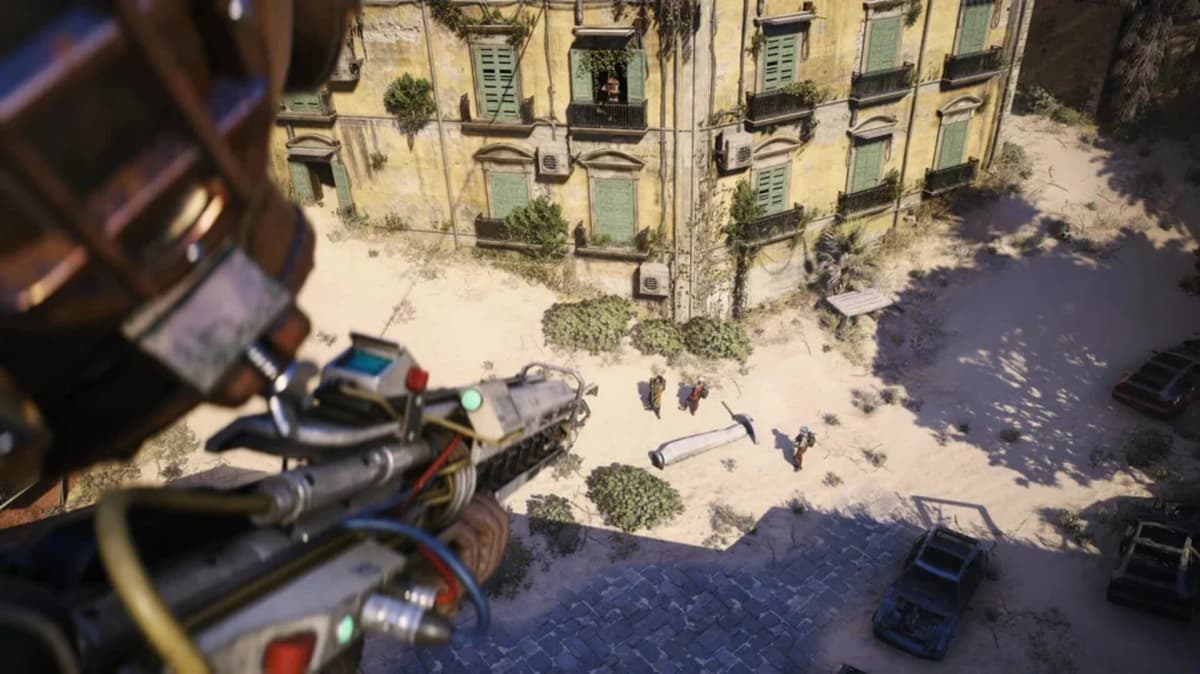
In a squad the core melts under coordinated fire, so the fight gets much shorter. The rule is simple: everyone shoots the core, nobody freelances. One player baits positioning while the rest hold cover and burst every landing window.
Why this enemy is worth the trouble
The reward is the reason. The Arc Turbine is a reliable source of the Turbine Compressor, the crafting part that feeds progression toward the Powered Descender. If you are working through Riven Tides projects like Battening Down, this is a target worth learning properly instead of avoiding.
Common mistakes that make the Turbine feel harder
- Dumping ammo into the shell while it flies: poor value, and the reason you run dry before the real window.
- Standing in open ground: lightning and splash become almost impossible to manage.
- Rushing the landing zone: mines make close-range pushes unreliable unless you already have a safe opening.
- Aiming at the body instead of the core: the yellow canisters are the whole fight.
- Overstaying the damage window: once it starts to reset, you reset too.
- Ignoring third-party danger: a Turbine kill draws other players, so loot fast and clear out.
Practical takeaway
To destroy the Arc Turbine reliably, keep it simple: bring Jupiter or Hullcracker for armor-piercing damage, fight from real cover, ignore the temptation to brawl in the landing zone, and save your best burst for the exposed yellow core on every landing. It is slower than the flashiest clips, but it is the method most likely to bank the Turbine Compressor and keep your loadout intact for the rest of the run.
FinalBoss // Gear
Level up your setup
01Top-rated gaming headsetson Amazon→02High-refresh gaming monitorson Amazon→03Gaming chairson Amazon→04Discounted game keyson Kinguin→Affiliate links · As an Amazon Associate, FinalBoss earns from qualifying purchases.
Want to Level Up Your Gaming?
Get access to exclusive strategies, hidden tips, and pro-level insights that we don't share publicly.
Ultimate Guide Strategy Guide + Weekly Pro Tips