
The objective text in ARC Raiders for A Line in the Sand is not reliable enough to navigate by on its own. The quest becomes straightforward once you ignore the wording and follow the actual Buried City landmark chain: inspect the derailed blue train south of Marano Station, check the small buried tower to the east, move to the Market Ruins east of the hospital, then enter the merchant’s nearby apartment in Dune’s End and photograph the boxes in its basement.
This is the practical fix for the quest’s main problem. Players lose time because the log points toward Marano Station, then toward vague clue locations, while the real progress triggers are tied to specific objects and sub-areas. Treat Marano Station as a reference point only. The quest itself is in Buried City.
Table of Contents (15)
Exact route at a glance
- Go to Buried City, not the station platform itself.
- Inspect the derailed blue train cars between Warehouse and Piazza Roma, south of Marano Station.
- Head east to the small square partially buried tower and interact with the hidden clue spot inside.
- Pick up or reveal the Marano Market Business Card.
- Travel to the Market Ruins east of the hospital.
- From there, go east and uphill into Dune’s End to the merchant’s apartment.
- Use the zipline down to the basement.
- Photograph the pile of cardboard boxes to complete the final objective.
Why the quest feels misleading
A Line in the Sand is structured like a breadcrumb trail, but the breadcrumbs are weak. The log tells you to “find out why the train never reached Marano Station,” which reads like a station search. It is not. The update trigger is tied to a wrecked train segment south of that area. The next objective has the same issue: it implies deduction, but progress depends on a hidden interaction in a small tower that many players will walk past unless they already know it is relevant.
In other words, this is less a puzzle than a route execution problem. If you move by landmarks instead of prose, the entire quest resolves cleanly.
Step 1: Inspect the derailed train south of Marano Station
The first real objective is in Buried City, between Warehouse and Piazza Roma, south of Marano Station. Look for the blue derailed train cars. This is the location that advances the quest, not the station itself.
If the quest is not updating, the usual cause is simple: you are at the wrong train-related landmark. Marano Station is only the narrative anchor. The quest logic expects you to inspect the wreck. Stay focused on the derailed cars, not the nearby platforms, tracks, or surrounding station structures.
This is the biggest time sink in the mission. Players often sweep the station perimeter, assume the quest is bugged, then leave. It usually is not bugged at this stage; it is just keyed to a different place than the wording suggests.
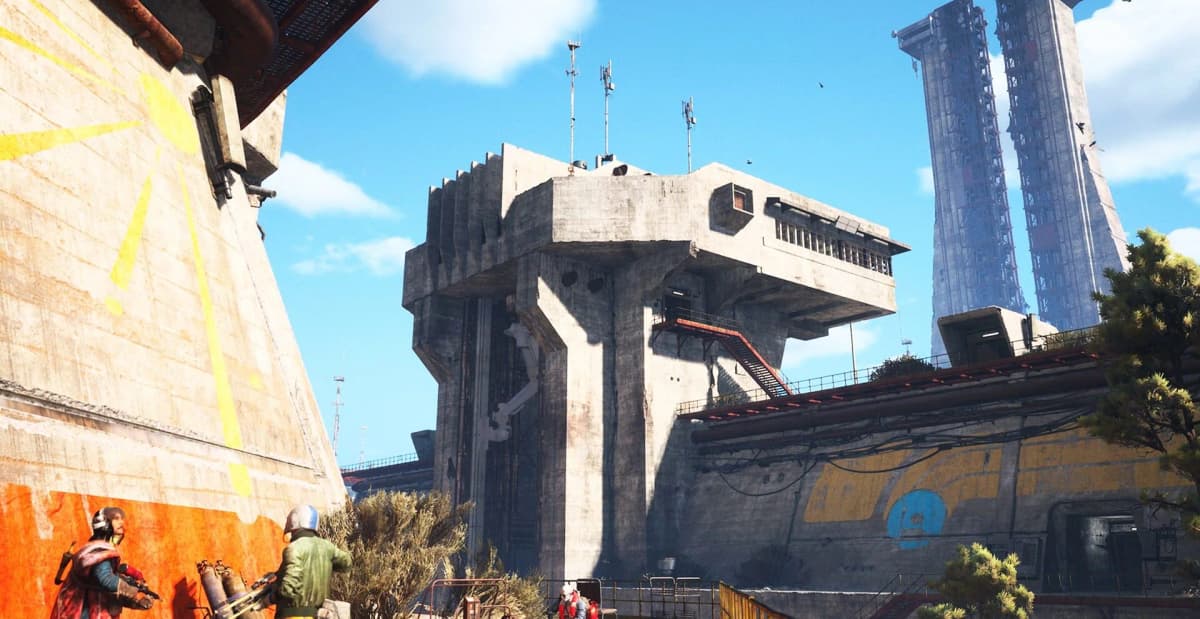
Step 2: Search the buried tower east of the wreck
Once the train clue is resolved, the next target is a small square or partially buried tower east of the derailed train area. Go inside and look carefully for the hidden interaction. Walkthrough consensus places it around a bush/detonator-like clue spot within the tower.
There is minor disagreement in current guide coverage about what exactly happens here. Some descriptions say the interaction spawns the next clue item, while others describe it as revealing a clue that was already concealed there. Functionally, that difference does not matter. The tower is the correct place, and the hidden interaction is what advances the objective.
The clue item you are looking for is the Marano Market Business Card. If you leave the tower without that update, assume you missed the interaction rather than the route. Slow down, check the interior again, and use your normal interact prompt on any suspicious object or patch of clutter that stands out from the walls and floor.
Step 3: Follow the business card to the Market Ruins
The business card points you toward the Market Ruins east of the hospital. This is the next stable landmark in the chain. The important detail is the relationship between the two landmarks: the market area is not the hospital itself, and hovering around the hospital grounds will not finish the step if you never enter the correct ruined block to the east.
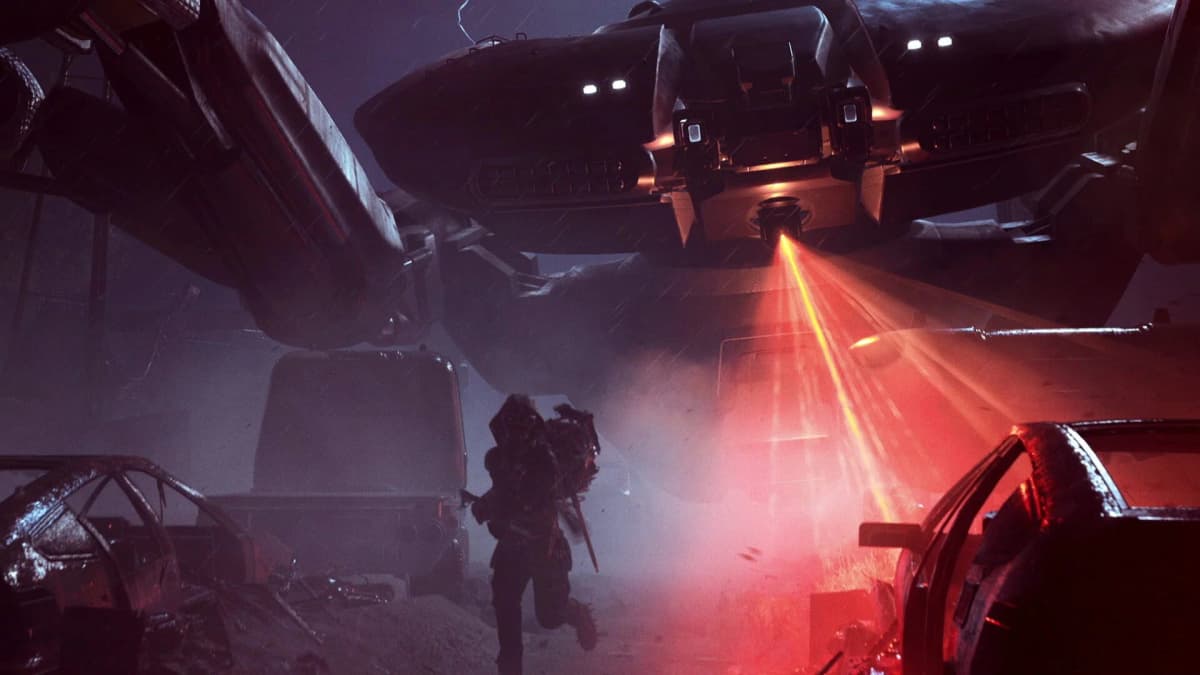
Move into the ruined market buildings and give the quest a moment to register the area. With missions like this in ARC Raiders, progress is often attached to a small trigger volume rather than a dramatic pickup or cutscene. If the objective does not update immediately, sweep the cluster of ruined shops instead of backtracking to the tower too early.
This is also where some players misread the clue chain and start checking random stalls, cellars, or storage rooms for lootable evidence. That is not the right interpretation. The Market Ruins are a navigation handoff to the final destination, not the actual end point.
Step 4: Go to the merchant’s apartment in Dune’s End
The last major navigation trap comes here. The quest says to search the basement of the merchant’s nearby apartment, and many players keep combing the Market Ruins because “nearby” sounds like the same block. The correct move is to go east and uphill from the Market Ruins into Dune’s End.
Enter the relevant apartment building there and look for the way down to the basement. This is not a standard staircase-only search. The key traversal element is a zipline that takes you down into the basement. If you are still at street level checking doors, vendor stalls, or rubble piles, you have not reached the real final area yet.
The reason this step fails so often is that the quest text keeps the player mentally attached to the market. The actual completion space is in a separate nearby sub-area, and the vertical traversal into the basement is easy to miss if you expect a normal apartment interior.
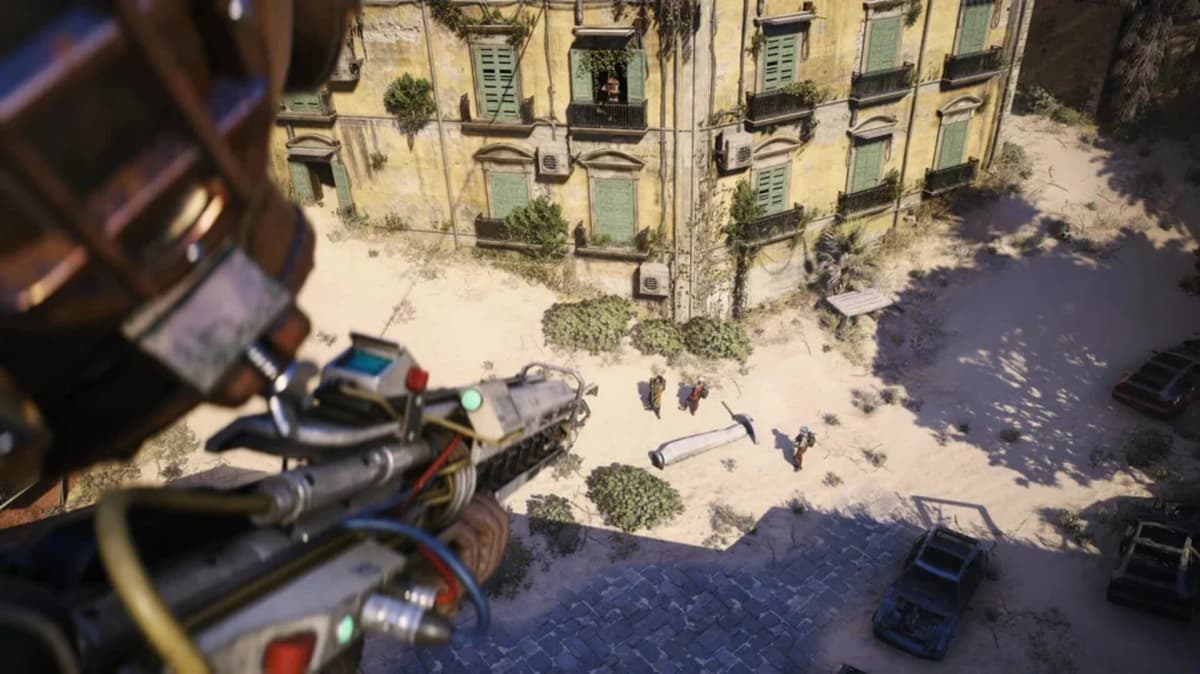
Final interaction: photograph the cardboard boxes
Once you are in the basement, do not look for a conventional pickup. The final interaction is a photo prompt. You need to photograph a pile of cardboard boxes to satisfy the objective.
This is unusual compared with more direct fetch or return missions, and it explains another common failure point. Players see a cluttered basement, try to loot containers, then assume the room is empty. It is not. The quest is asking for environmental evidence, not an item grab. Center the boxes, trigger the photo action, and wait for the quest update before leaving.
Troubleshooting if A Line in the Sand will not update
- You searched Marano Station instead of the wreck: go south to the derailed blue train cars between Warehouse and Piazza Roma.
- You reached the tower but got no clue: recheck the hidden interaction inside; the business card is tied to that spot.
- You went to the hospital: the actual target is the Market Ruins east of the hospital, not the hospital grounds.
- You are still searching the market: the final destination is the merchant’s apartment in Dune’s End, east and uphill from the ruins.
- You found the basement but nothing looks interactable: use the photo prompt on the cardboard boxes; do not expect a loot pickup.
- The clue wording feels inconsistent: rely on landmarks. The route sequence is more dependable than the objective prose.
How to read this quest correctly
The most useful way to interpret A Line in the Sand is to separate its narrative language from its mechanical triggers. The narrative language says Marano Station, robbery clues, market, and apartment basement. The mechanical triggers are more exact: derailed train, buried tower interaction, Market Ruins trigger area, Dune’s End apartment, and basement photo target. Once those are understood as distinct waypoints, the mission stops feeling random.
This matters beyond one quest. When ARC Raiders uses a location as a story reference, that does not always mean the next update is located on that named landmark itself. In this mission, the prose repeatedly points near the truth without naming the exact interactable. The clean solution is to treat each clue as a directional hint and verify progress only by known trigger locations.
Condensed landmark order
- Buried City
- Marano Station as reference only
- Derailed blue train south of the station, between Warehouse and Piazza Roma
- Small buried tower east of the wreck
- Marano Market Business Card
- Market Ruins east of the hospital
- Dune’s End merchant’s apartment
- Zipline to basement
- Photograph cardboard boxes
If you follow that sequence instead of the quest’s literal wording, A Line in the Sand resolves as a short Buried City route rather than an extended scavenger hunt.
FinalBoss // Gear
Level up your setup
01Top-rated gaming headsetson Amazon→02High-refresh gaming monitorson Amazon→03Gaming chairson Amazon→04Discounted game keyson Kinguin→
Affiliate links · As an Amazon Associate, FinalBoss earns from qualifying purchases.
Want to Level Up Your Gaming?
Get access to exclusive strategies, hidden tips, and pro-level insights that we don't share publicly.
Ultimate Guide Strategy Guide + Weekly Pro Tips