
ARC Raiders is adding Denuvo, but the more important part is what Embark just walked back
Game intel
Arc Raiders
ARC Raiders is a multiplayer extraction adventure, set in a lethal future earth, ravaged by a mysterious mechanized threat known as ARC. Enlist as a Raider and…
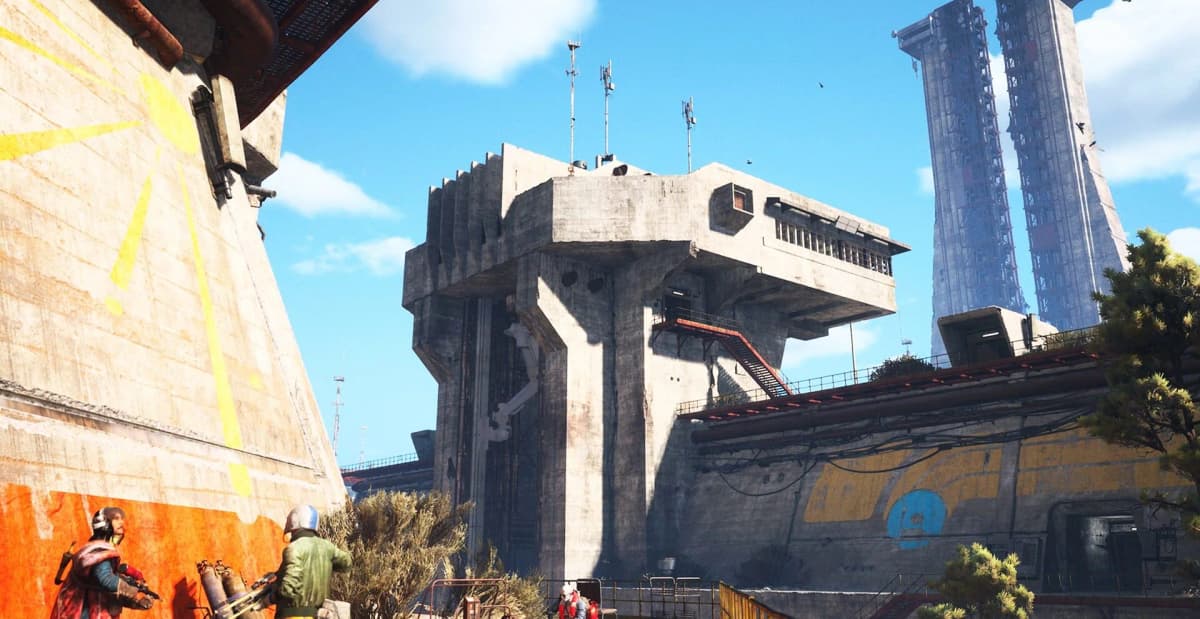
Arc Raiders update 1.29 is really about two things: Embark admitting it has a cheating problem serious enough to justify another anti-cheat layer, and Embark admitting its earlier durability changes overshot the mark. One of those is the official headline. The other is the detail that tells you the studio is still listening before players start drifting off for good.
The clean version is this: Denuvo Anti-Cheat begins rolling out on May 19 in a limited player pool, and Embark says this is not Denuvo DRM. It is also not replacing Anybrain, at least based on current public reporting; it is being added alongside Embark’s existing detection stack. At the same time, update 1.29 softens the durability changes that hit a lot of weapons in the previous balance pass, with some guns getting major lifetime increases. That second part matters more than it looks, because durability tuning in an extraction shooter is never just a numbers tweak. It changes what gear feels safe to run, what builds feel wasteful, and how willing players are to actually engage instead of hoarding.
Denuvo is the scary word, but cheating is the actual problem
Let’s deal with the obvious panic button first. “Denuvo” has become one of those terms that can empty a room on PC the second it shows up in patch notes. Embark clearly knows that, which is why it has gone out of its way to say this rollout is for Denuvo Anti-Cheat, not Denuvo’s DRM product. That distinction is not PR trivia. It is the whole point.
Players usually associate Denuvo with DRM fights, performance complaints, and the general feeling that paying customers are being treated like suspects. Embark is trying to get ahead of that by saying this integration is anti-cheat only and by rolling it out gradually to smaller server groups first. That cautious rollout tells you two things. First, the studio thinks the cheating issue is bad enough that doing nothing is no longer defensible. Second, it is not confident enough to slam this onto the entire player base at once without watching for blowback.
That’s the right call, frankly. Extraction shooters die by trust. If players think raids are full of soft aim, walling, or whatever flavor of nonsense is trending this month, the whole risk-reward loop collapses. Nobody wants to grind loot just to hand it to some clown running third-party garbage. Arc Raiders has had enough chatter around cheaters that Embark was always going to need a more visible response.
The real question Embark still has to answer is the one PR never loves: what is the measurable win here? “Minimal impact on performance” is fine as a holding statement, but players are going to judge this on two brutally simple metrics – whether raids feel cleaner, and whether performance gets worse. Everything else is wallpaper.
The durability rollback is the part that tells you Embark felt the heat
The quieter but more revealing story in 1.29 is the durability adjustment. Public patch coverage points to Embark boosting the lifetime of multiple weapons after the previous changes landed badly, with one reported example being the Renegade getting a very large increase. That is not a minor correction. That is a studio looking at player behavior and deciding it pushed too far.
This is where live-service balancing gets exposed fast. On paper, harsher durability can sound smart: more item sinks, tighter economy, tougher choices, more scavenging pressure. In practice, if you hit too hard, players stop experimenting and start playing scared. Good weapons become museum pieces. Aggressive builds feel financially dumb. The meta narrows, not because of strategy, but because repair economics and replacement friction bully people into safer choices.
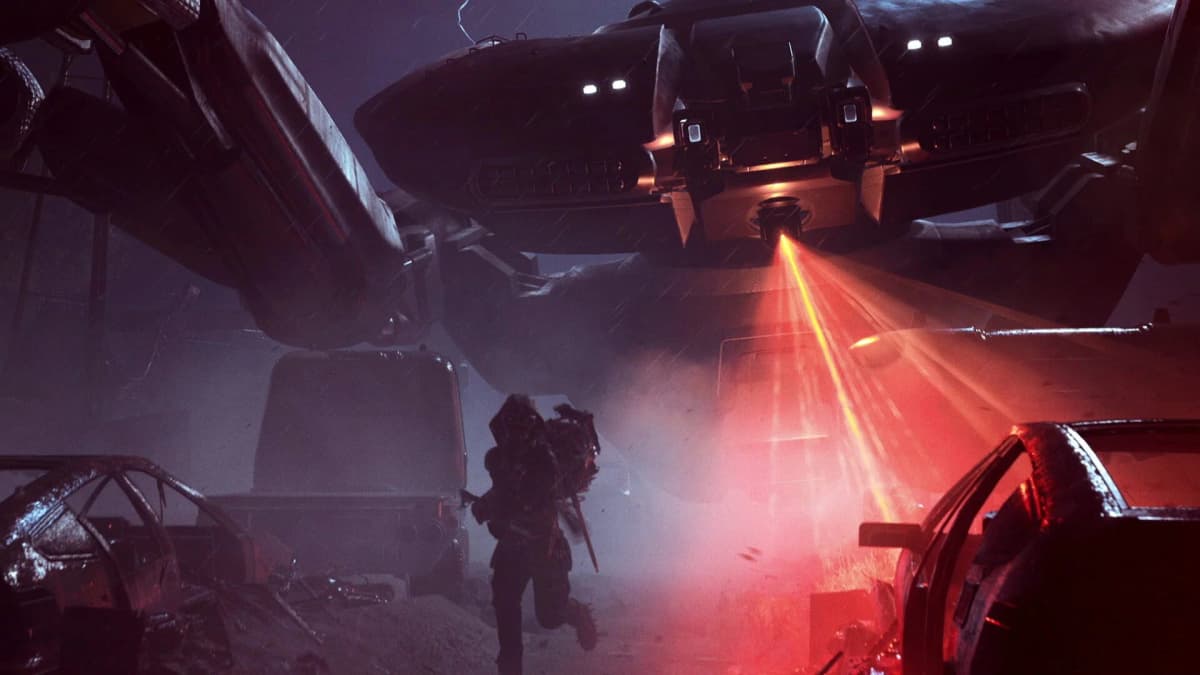
That seemed to be the risk after the earlier pass, especially in a game that already asks players to weigh loadout value against survival odds every single run. If Embark is now backing off, it is acknowledging an old live-service truth: tension is good, but tax is not. And durability becomes a tax the second it makes players resent using the gear they were excited to find.
There is also a credibility angle here. Embark has built a reputation for moving quickly, but speed only helps if the studio is willing to reverse itself when a change clearly lands wrong. Update 1.29 suggests that, at least this time, it is. That matters more than the exact percentage buffs because players notice when a team is stubborn for the sake of looking decisive. Embark blinked. Good.
FinalBoss // Gear
Level up your setup
01Top-rated gaming headsetson Amazon→02High-refresh gaming monitorson Amazon→03Gaming chairson Amazon→04Discounted game keyson Kinguin→Affiliate links · As an Amazon Associate, FinalBoss earns from qualifying purchases.
Want to Level Up Your Gaming?
Get access to exclusive strategies, hidden tips, and pro-level insights that we don't share publicly.
Ultimate Editor's Pick Strategy Guide + Weekly Pro Tips
This patch also nudges Arc Raiders toward a more managed economy
The rest of the patch is not filler, either. Update 1.29 adds the Nomadic Envoys system, with the first trader, Ermal, apparently aimed at higher-level players, plus item trading hooks, weekly offers, stash-related improvements, a new lightweight grenade launcher called the Rascal, cosmetics, weapon mod changes, and some gadget balance updates like the photoelectric cloak’s energy drain.
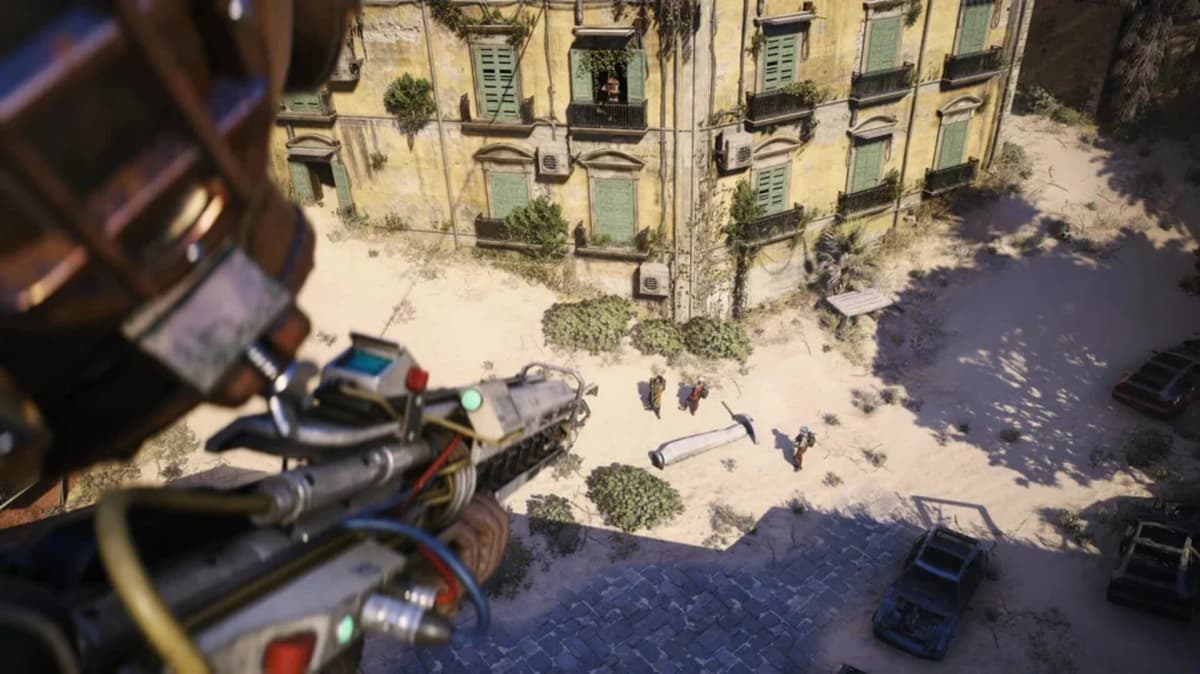
Taken together, that looks like Embark trying to tighten several different screws at once: anti-cheat for trust, durability relief for day-to-day feel, and new vendor/trader structures for long-term economy control. That is a very extraction-shooter patch philosophy. Not flashy. Structural.
It also fits the broader Arc Raiders trajectory since bigger updates like Riven Tides pushed more event-driven chaos, new threats, and loot incentives into the loop. The game is clearly being shaped into something more systemic and more curated, not just a sandbox where players sort things out themselves. That can work. It can also become overmanaged if every friction point gets “solved” with another rule layer. Anti-cheat software, durability tuning, traders, offer rotations, stash changes – each one makes sense individually. Together, they decide whether the game feels alive or overdesigned.
What I’d watch before calling this a win
- Whether Embark expands Denuvo Anti-Cheat beyond the initial limited rollout quickly, or slows down because performance complaints start stacking up.
- Whether players report a noticeable drop in suspicious deaths and obvious cheating. If the vibes do not improve, the software name does not matter.
- Whether the softened durability numbers actually reopen build variety, especially for previously expensive-feeling weapons and aggressive loadouts.
- How the new trader economy lands once more players interact with weekly offers and stash-related progression. These systems can stabilize a game, or turn it into homework.
So yes, “Arc Raiders adds Denuvo” is the attention-grabbing version of this story. The more useful version is that Embark is making two defensive moves at once: protecting match integrity and undoing a balance swing that was pushing players the wrong way. One is about stopping cheaters from poisoning the game. The other is about stopping the game from poisoning itself.