
Table of Contents (15)
About ten hours into Clair Obscur: Expedition 33, I had a moment that honestly pissed me off – in a good way. I’d just finished a brutal boss fight, the kind of encounter where you’re squeezing every last drop out of your party, timing active guards perfectly, juggling debuffs, and praying your plan survives one more turn. The fight ends, the music dies down, the camera pulls back to this gorgeous, painterly vista… and my first instinct wasn’t, “Wow, what an incredible game.”
My first instinct was: “Why the hell hasn’t Final Fantasy given me this feeling since X?”
That’s the part that stung. Because I grew up on Final Fantasy. I cut my teeth on VI, had my teenage emotional meltdown with VII, lost weeks of my life to VIII’s junction system, and then watched X completely flip my idea of what an RPG story could do. Final Fantasy is the series that made me care about turn-based combat, ridiculous melodrama, and weird, artsy world-building in the first place.
But it wasn’t Final Fantasy that reminded me how much I loved that style of RPG in 2025. It was a new French studio with a wild, painterly, turn-based passion project that, by all measures, absolutely exploded: rave reviews, a Metacritic score in the 90s, and over 3.3 million copies sold. That’s not “niche retro throwback” territory. That’s “real GOTY contender, mainstream hit” numbers.
Clair Obscur: Expedition 33 didn’t just succeed. It publicly slapped Square Enix across the face and proved they’ve been wrong about their own flagship series for years.
No, Turn-Based Isn’t “Outdated” – You Just Got Scared
For years we’ve heard the same excuse every time someone at Square Enix dodged questions about a new mainline turn-based Final Fantasy: modern players want action. Turn-based is “old-fashioned.” You can’t justify blockbuster visuals and budgets for a combat system that doesn’t look like an over-produced Marvel movie fistfight every second.
And to be fair, this wasn’t pulled out of nowhere. Final Fantasy has been inching toward real-time for decades. Final Fantasy IV ditched pure turn-based for ATB back in 1991. By the time we got to XV, they’d basically thrown up their hands and gone full action-RPG. XVI took it even further and, structurally, might as well be a character action game with stats glued on.
Square Enix’s logic was obvious: be more like God of War (2018), with flashy, responsive action in real time, and you’ll catch a broader audience. Don’t get “stuck” in that dusty JRPG box.
Clair Obscur – alongside Baldur’s Gate 3, Persona 5, Yakuza: Like a Dragon, hell, even Pokémon which has never left turn-based – basically looked at that argument and said: “Cool theory. Completely wrong in practice.”
Here’s a French studio coming out of nowhere with a game that is unapologetically turn-based, packed with systems you have to learn, timing-based inputs, status effects, and actual planning… and it ships with modern, “prestige” visuals and a serious, moody tone. It doesn’t hide its nature. It doesn’t call itself an “action-RPG with tactical elements.” It just owns what it is.
And players didn’t run away screaming. They showed up in the millions.
Square Enix’s Favorite Cop-Out Just Fell Apart
What really drives this home isn’t just Clair Obscur’s existence, but Square Enix’s reaction to it. During a shareholder Q&A, an investor basically asked the question the entire JRPG community’s been screaming for a decade: “Seeing how well this kind of turn-based RPG is doing, don’t you want to get back to that with your own games?”
Square’s answer was the classic corporate sidestep: “Turn-based is still part of our DNA! Look at all these recent releases.” Then they point at things like Bravely Default remasters, Romancing SaGa revivals, shiny HD-2D updates for Dragon Quest III, and Fantasian coming back in enhanced form.
Cool. I like those games. But let’s be brutally honest: those are safe plays. Ports, remasters, remakes – sometimes brilliant ones, sure – but they’re not putting the full weight of Square Enix’s flagship brand behind a bold, weird, brand-new turn-based epic. They’re saying, “Yeah, you can have your niche nostalgia projects over in the corner while the ‘real’ Final Fantasy chases cinematic action money.”
Meanwhile, in the opposite corner, Clair Obscur is out here being the most “Final Fantasy” game I’ve played in years… while not being Final Fantasy at all.
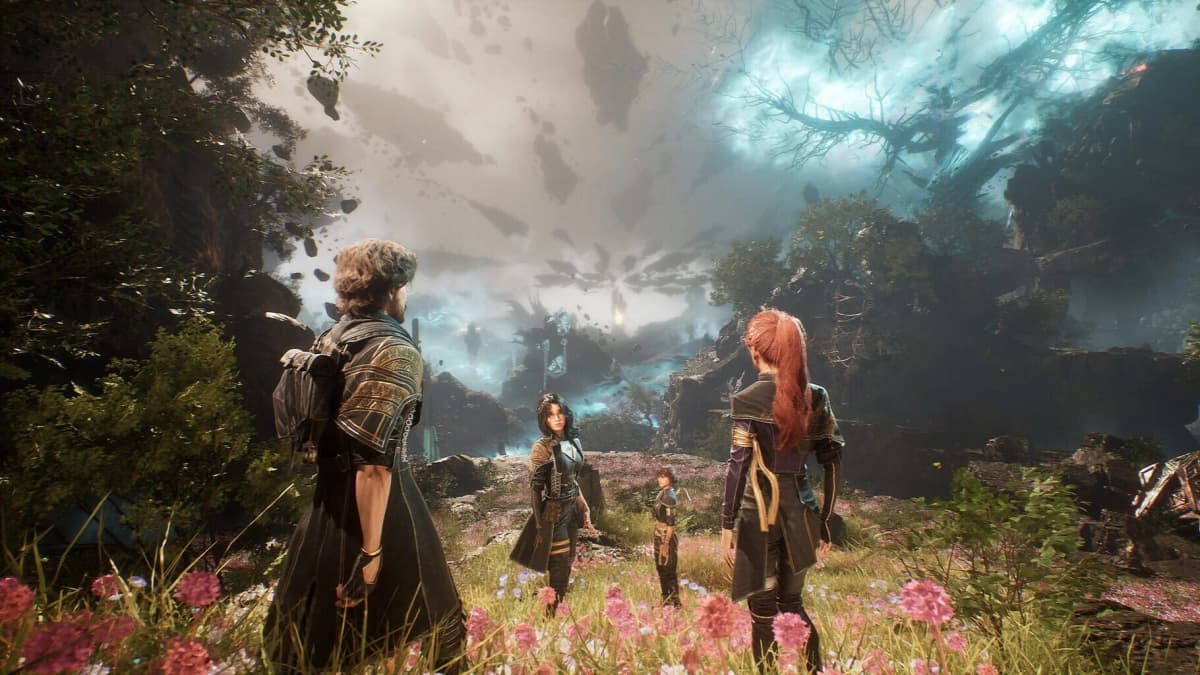
Clair Obscur Feels Like The Heir To PS2-Era Final Fantasy – Just Not Made By Square
Let me spell out why this cuts so deep as a long-time FF fan.
Clair Obscur delivers things I used to expect from Final Fantasy as standard:
- A focused, high-stakes journey with a clear hook (the Expedition 33 setup is instantly memorable).
- Turn-based combat that’s not just menu mashing, but layered with timing, positioning, and risk vs reward.
- Weird, striking art direction that doesn’t feel like a Marvel concept artist moodboard – it actually has identity.
- A party full of flawed, specific characters instead of archetypes built in a marketing meeting.
- Systems that respect your brain. It wants you to engage, not zone out.
It’s not just that it’s turn-based. It’s that it’s confidently turn-based. It understands that a “slow” system is only slow if it’s boring. Clair Obscur keeps you active even when you’re technically waiting your turn – whether it’s reactive defenses, planning synergies, or managing long-term resources across grueling, attritional fights.
It reminded me of how I felt playing Final Fantasy X back in 2001. Every encounter mattered. Every decision in battle could snowball. Swapping party members mid-fight felt tactical and smart, not just a flashy animation.
Now compare that to how I felt finishing Final Fantasy XVI.
I don’t hate XVI. The boss spectacle is insane, and there are moments where it fully embraces its melodramatic roots. But once I put the controller down, the feeling wasn’t “I just went on an unforgettable RPG journey.” It was: “That was a cool character action game wearing a Final Fantasy cosplay.” And judging by how quickly conversation around it died outside of hardcore fans, I’m not alone.
Square Enix spent so long trying to escape the “JRPG” label that they let someone else come in and make the most exciting “JRPG-ass JRPG” of the year.
FFVII Remake Proved The Fans Were Right – And Square Still Didn’t Listen
What makes this even more infuriating is that Square Enix already got a taste of what players actually want with Final Fantasy VII Remake and Rebirth.
Those games found a sweet spot: hybrid combat that looks like real-time chaos but is secretly built around ATB, command selection, and party roles. When you slow time to a crawl, pick abilities from a menu, and carefully swap characters, it feels more like a modern evolution of classic FF than anything XV or XVI tried to do.
And people loved it. The discourse wasn’t, “Ugh, this is too old-school.” It was, “Wow, this feels like Final Fantasy again.” The common complaints were about story changes, structure, the remake project format itself – not the existence of tactical depth or turn-based DNA.
The problem is that the Remake project is, by design, shackled to nostalgia. No matter how good the combat system is, it’s still a retelling of a 1997 story in chunks. Casual players bounce because, hey, this is episode two of a multi-part reimagining. It’s harder to onramp new fans.
So instead of using that combat philosophy as the spine for a bold, new core Final Fantasy, Square Enix seems content to let it live and die inside the remake bubble… while the “mainline” series drifts into full action territory.
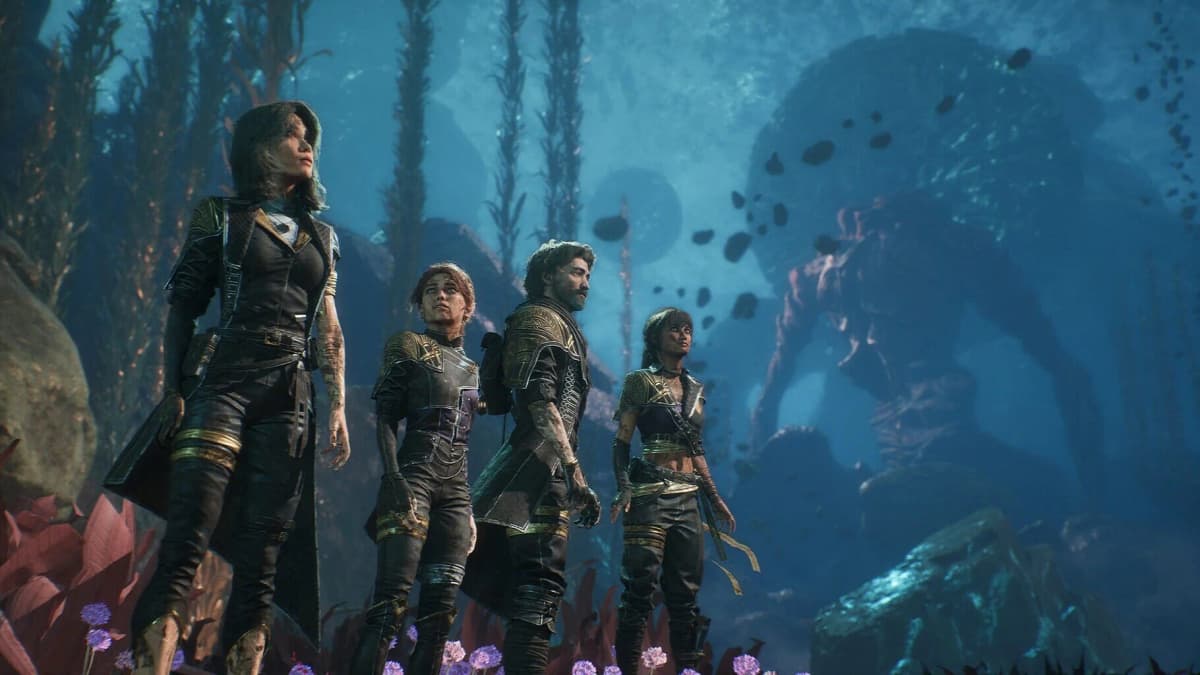
Again: along comes Clair Obscur, proving you can build a new universe, with new characters, and unapologetically strategic combat, and people will absolutely show up if the vision is strong enough.
Turn-Based Isn’t The Risky Move Anymore – Playing It Safe Is
If you zoom out and look at the last few years of RPGs, the pattern is obvious.
Baldur’s Gate 3 is a stats-heavy, turn-based D&D sim with dense dialogue and minimal handholding. It blew up, dominated awards, and became part of mainstream conversation.
Persona 5 is a defiantly turn-based, menu-driven JRPG with social sim downtime and hour-long cutscenes. It turned Atlus into a household name outside hardcore weeb circles.
Yakuza: Like a Dragon literally flipped a beloved action-brawler franchise into full turn-based, complete with job systems and goofy summons… and fans embraced it so hard that turn-based is now the mainline direction for that series.
These games didn’t break through despite being turn-based. They broke through because they’re turn-based and creatively fearless. They’re not scared to be dense, weird, mechanically demanding, or tonally specific. They commit.
Clair Obscur: Expedition 33 is part of that same wave. It’s proof that modern players are not allergic to planning, to numbers, to structure. What they’re allergic to is blandness; design-by-committee games that are so terrified of scaring off a potential customer that they sand off every edge.
So when Square Enix insists on treating turn-based like a side hustle – respectable enough for side projects and remakes, but not for the marquee “Final Fantasy XVII” type slot – they’re not being bold. They’re being conservative in the worst possible way.
Square Enix Needs To Stop Hiding Behind Nostalgia Projects
Right now, instead of announcing a daring, mainline turn-based Final Fantasy, what do we get? Spin-offs, prequels, and side stories orbiting older entries. There’s even an official prequel for Final Fantasy IX in the works, and fans are already split between cautious hype and “please don’t mess with the tone of my favorite FF.”
Meanwhile, rumors of a full FFIX remake have been floating around forever, and nothing concrete shows up. The message is clear: Square knows people are hungry for that era of Final Fantasy again, but instead of taking the risk of building the next great FF in that spirit, they just keep mining the old ones.
Contrast that with something like NieR: Automata. That game is weird. Philosophical robots, experimental structure, multiple endings, genre shifts, existential breakdowns. It wasn’t designed to be safe, and yet it slowly crawled its way up to millions of copies sold and a cult following that turned into mainstream love.
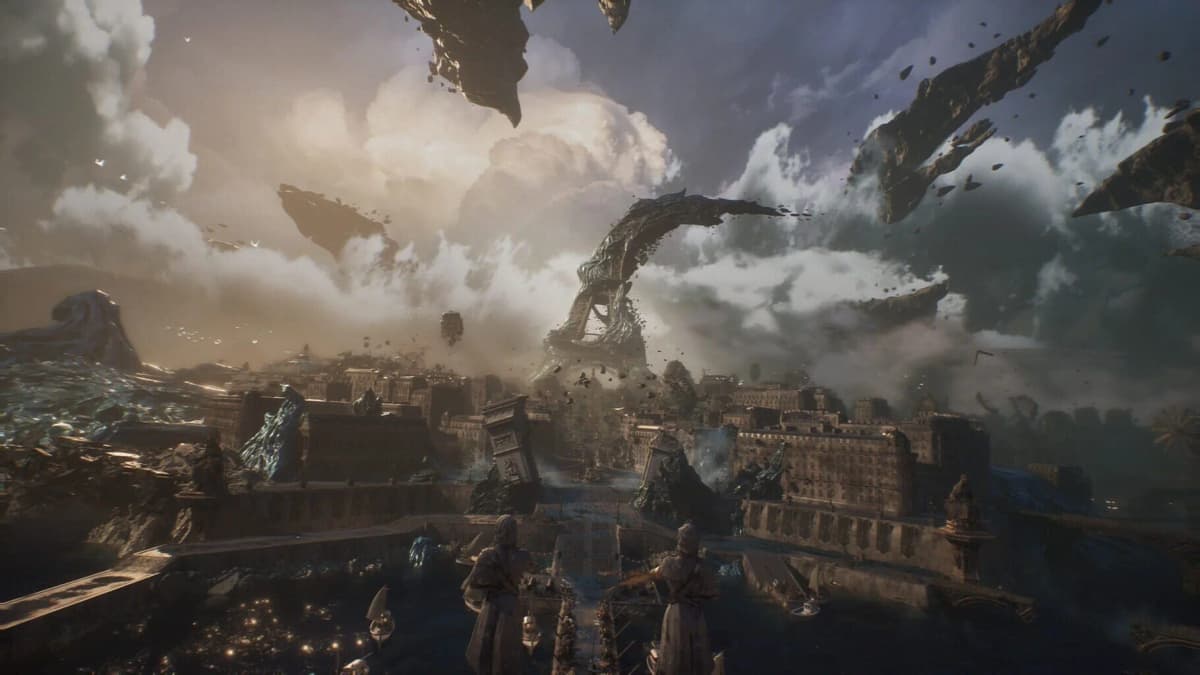
Players reward authenticity and boldness when you actually commit to it. Clair Obscur commits. It’s not afraid to be strange, or melancholy, or unabashedly French in its sensibilities. It’s not trying to be “for everyone,” it’s trying to be itself – and ironically, that’s exactly what made old-school Final Fantasy magical.
I’m not saying the only path forward is a pixel-art throwback or some slavish return to 90s design. What I’m saying is: if a new studio can drop a richly produced, fully turn-based RPG with a unique artistic identity and sell millions, there is zero excuse for Square Enix to keep pretending that a mainline, turn-based FF is too risky to exist.
What I Actually Want From The Next Final Fantasy
Here’s the part where I stop yelling and get specific.
As someone who’s been with this series since the SNES days, this is what I want from the next big Final Fantasy – and what Clair Obscur reminded me is possible:
- Commit to a real combat identity again. Either go full, beautifully designed turn-based, or double down on the FFVII Remake-style hybrid that rewards planning as much as reflexes. Stop chasing generic action trends.
- Build a new world as bold as the PS1 and PS2 eras. No more safe, pseudo-medieval theme park settings. Give me a weird, specific universe with its own rules, aesthetics, and motifs.
- Let the systems be dense. Don’t be terrified that someone might have to read a tooltip or think three turns ahead. Players who want shallow action already have a thousand other games.
- Stop depending on nostalgia to do the heavy lifting. Use the name “Final Fantasy” as a license to experiment again, not as a reason to keep digging up old stories.
Clair Obscur: Expedition 33 checked most of those boxes for me – and it did it without having thirty years of brand loyalty propping it up. That’s the part that should keep Square Enix executives up at night.
My Wallet’s Already Voted – Your Move, Square
Here’s where this actually changes my behavior.
A few years ago, I would’ve preordered any numbered Final Fantasy out of sheer habit. Midnight launches, collector’s editions, all of it. I did it for XV. I did it for XVI. Each time, I came away feeling a little more like I was chasing a ghost of what the series used to be.
After finishing Clair Obscur: Expedition 33, I realized I’m done giving Final Fantasy the benefit of the doubt purely because of the logo on the box. If Square wants my money on day one again, they’re going to have to show me they’ve actually learned something from what’s happening around them.
Games like Clair Obscur, Baldur’s Gate 3, Persona, and Like a Dragon have proven beyond any reasonable argument that there is a hungry, mainstream audience for ambitious, turn-based, story-driven RPGs that don’t apologize for their complexity.
Square Enix can either keep pretending that the only way forward for Final Fantasy is to become yet another flashy action franchise in an already overcrowded space… or it can remember what made the series special, look at what’s actually selling right now, and take the “risk” of being itself again.
Clair Obscur just proved that risk isn’t really a risk anymore. It’s an opportunity. And if Square Enix won’t take it, clearly, other studios will.
As a lifelong FF fan, that’s the part that both hurts and excites me. Because for the first time in a long time, the best “Final Fantasy-style” adventure I’ve played doesn’t have a Roman numeral in the title.
And unless Square wakes up, I’m not sure I miss that numeral as much as I thought I would.
FinalBoss // Gear
Level up your setup
01Top-rated gaming headsetson Amazon→02High-refresh gaming monitorson Amazon→03Gaming chairson Amazon→04Discounted game keyson Kinguin→Affiliate links · As an Amazon Associate, FinalBoss earns from qualifying purchases.
Want to Level Up Your Gaming?
Get access to exclusive strategies, hidden tips, and pro-level insights that we don't share publicly.
Ultimate Gaming Strategy Guide + Weekly Pro Tips