
If you searched for a Diablo IV “Warlock” or a German Hexenmeister demon-summoner build, the class does not exist. The real match in Season 10, the Season of Infernal Chaos, is a Lord of Hatred Necromancer: a summon-heavy build that uses minion pressure, Ultimate scaling, and the Unique Chaos Perk Alter the Balance to turn Army of the Dead into your main damage button instead of a long-cooldown panic cast.
Table of Contents (17)
The short version
- Level as a normal minion Necromancer first and reach character level 60.
- Earn seasonal reputation to unlock your three non-Unique Chaos Perks: Grim Reapers (Magic), Decimating Desecration (Rare), and Defile the Dead (Legendary).
- Reach Torment I, then defeat Bartuc in Infernal Hordes to unlock the Unique Chaos Perk slot.
- Slot Alter the Balance as your Unique perk, then respec into the full Lord of Hatred engine.
- Farm Chaos Rifts inside Nightmare Dungeons and Helltides for Infernal Warps and seasonal progress.
Build it in this order and it becomes one of the cleaner summoner setups of the season. Force the endgame version before Alter the Balance drops and it feels incomplete and Essence-starved.
Why the Lord of Hatred setup works this season
Season 10 replaced older seasonal power systems with Chaos Perks, and that is what makes this build tick. You equip three non-Unique Chaos Perks and one Unique Chaos Perk through the seasonal interface. The non-Unique slots smooth out resource flow, minion uptime, and general damage. The Unique slot changes the build’s shape completely. (For the full system, see how to use War Plans and pick the best Chaos Perks.)
For Necromancer, Alter the Balance is the one that matters. It swaps how Core and Ultimate skills behave: Core skills gain cooldowns and stop costing Essence, while Ultimates lose their cooldowns and instead cost a large amount of Essence. That sounds awkward until you pair it with Lord of Hatred bonuses that favor minion and Ultimate damage. At that point the build stops being a standard pet setup and becomes a resource-fed summon build: your army holds the screen while you repeatedly cast an Ultimate that was never designed to be spammed.
That is the real identity of this setup. It is not a separate Warlock class, not a hidden class quest, and not a soul-shards build. The power comes from seasonal perk interaction and smart progression.
The core build pieces you should prioritize
Split the build into four jobs: your summons control the field, your Basic skill repairs your resource economy, your seasonal perks push the engine forward, and Army of the Dead becomes a finisher you cast far more often than usual.
- Primary damage plan: Lord of Hatred scaling plus repeated Army of the Dead casts once Alter the Balance is active.
- Support shell: a minion-focused Necromancer baseline so elites and trash stay occupied while you rebuild Essence.
- Mandatory Unique perk: Alter the Balance in the Unique slot.
- Non-Unique perk slots: Grim Reapers, Decimating Desecration, and Defile the Dead are the documented Necromancer Chaos Perks for the Magic, Rare, and Legendary slots.
- Experimental layer: Chaos Armor pieces can be excellent, but only if they do not wreck your survivability.
If you are choosing between greed and comfort, take comfort first. This build looks flashy when everything lines up, but the reason it performs is consistency. Repeated Ultimate casts do nothing if you are dead, empty on Essence, or constantly re-summoning because your minions collapse every pack.
Best progression path from fresh season start to endgame
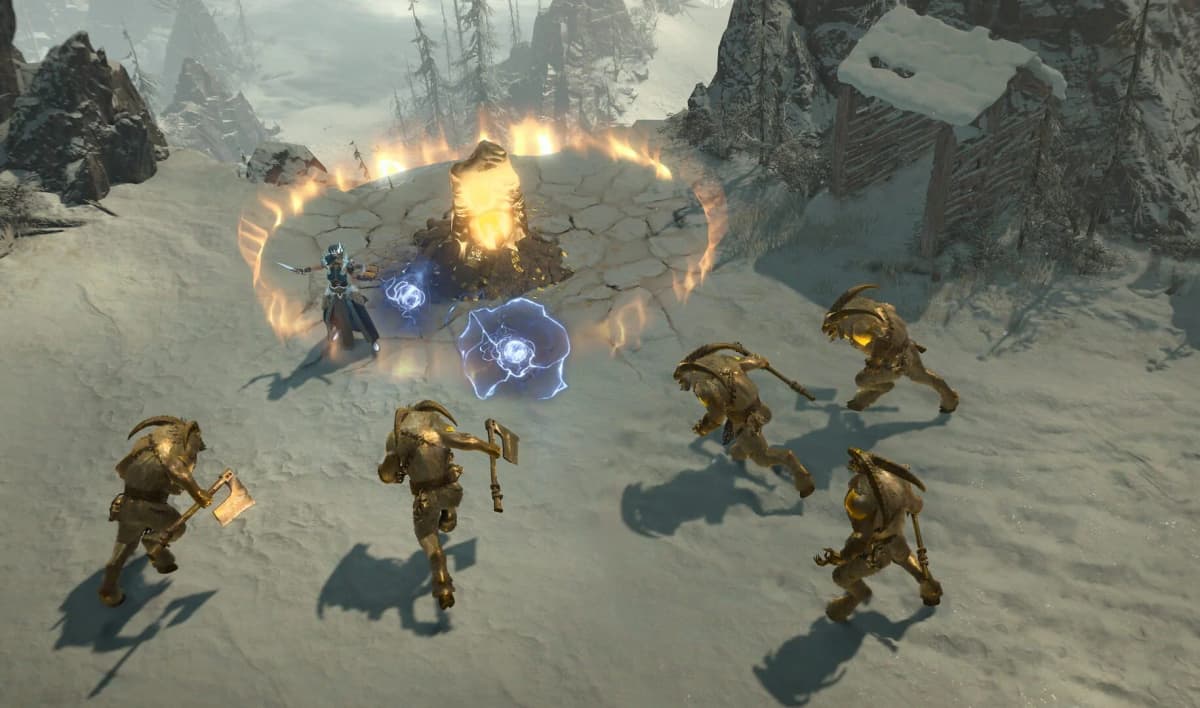
Level normally before you chase the showcase version
Skip the campaign if your account allows it, begin on Normal or Hard, and move up once your gear stabilizes. The goal is not to mimic the final Lord of Hatred rotation immediately. The goal is to reach level 60 with a reliable Necromancer shell that already wants minion support and can later pivot into the perk-driven version. If you want a faster ramp, the how to get powerful fast in Infernal Chaos route covers the early power spikes.
This matters because the seasonal reputation track unlocks your Magic, Rare, and Legendary Chaos Perks first. Those are the pieces that make the eventual respec feel smooth. Rush the build concept without them and you get the worst of both styles: too little resource to spam Ultimates and too little raw damage to justify the setup.
Use Chaos Rifts for your real farming work
Chaos Rifts appear inside Nightmare Dungeons and Helltides, and they are the best place to farm Infernal Warps. They are also the most efficient way to build the seasonal progression that feeds your perk upgrades. Given a choice between drifting through content and targeting activities that include Chaos Rift support, take the Rift route.
A lot of players spend too much time in Infernal Hordes too early because that is where the season branding points them. Hordes matter mainly because Bartuc lives there, and Bartuc is the gate for Unique Chaos Perks on Torment I and above. For reputation and Warp income, Chaos Rifts are the cleaner grind.
Push into Torment I before you commit to the final respec
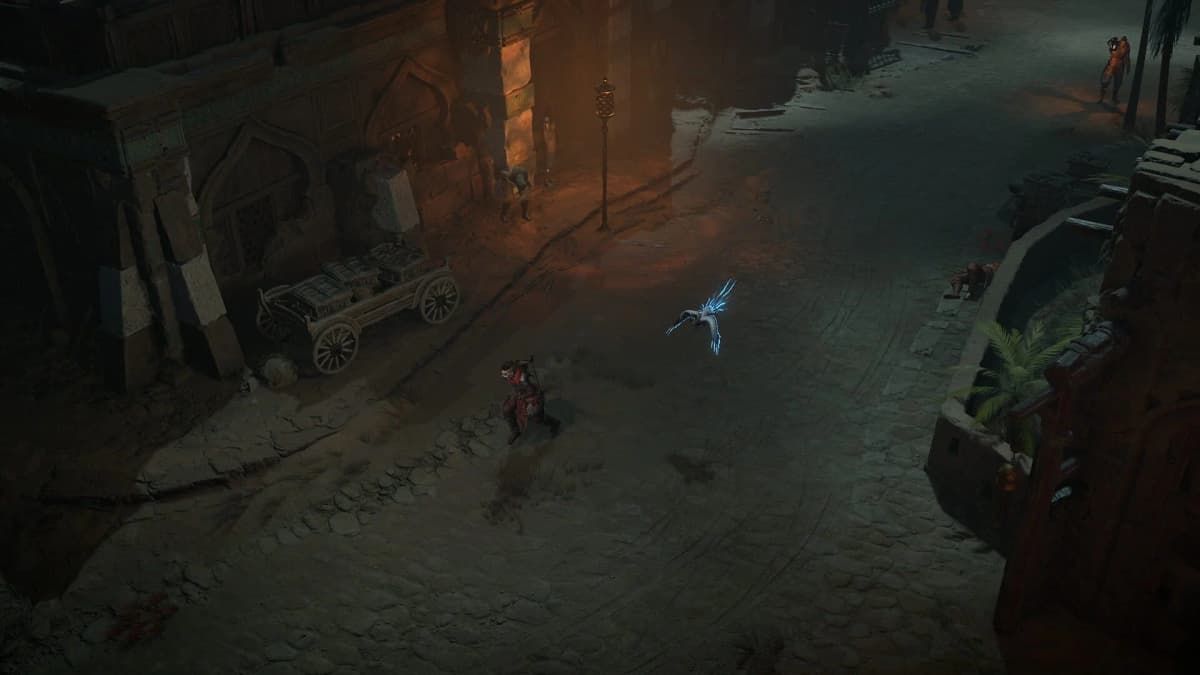
Once you are ready, clear enough endgame progression to reach Torment I, then farm Infernal Hordes specifically to kill Bartuc. That is the unlock moment that matters: defeating Bartuc in Infernal Hordes on Torment I unlocks the Unique Chaos Perk slot. Until then, keep running a standard summon-focused Necromancer. After Bartuc gives you the Unique slot, switch into the proper Lord of Hatred version.
This order avoids the trap of spending gold and time on a half-finished build. In practical terms, the build becomes “real” only when your Ultimate can be cast on resource instead of cooldown.
How to actually play the build after Alter the Balance unlocks
The rotation is less complicated than it sounds, but it punishes button mashing. Open with your summons already established and your Essence as full as possible. Your minions engage first. You are not opening like a glass-cannon caster; you let your army take first contact so you cast into a controlled screen.
- Enter the fight with your summon state stable.
- Use your Basic skill to start resource generation instead of instantly dumping Essence.
- Spend big on Army of the Dead when elites are grouped or a dangerous wave needs to be erased.
- Rebuild between bursts instead of emptying the bar into scattered targets.
The mistake to avoid is treating your no-cooldown Ultimate like an infinite button. It is not infinite. The build converts resource into repeated burst, then lets your summons hold tempo while you recover. On controller, put your Basic skill and main spender in comfortable positions because you alternate between them constantly. On keyboard and mouse the same rule applies: this is a rhythm build, not a piano build.
In Infernal Hordes, be selective with Chaos Waves if you are solo. The seasonal overhaul makes that mode more interesting, but it punishes reckless greed. This build is strong at stabilizing messy screens, yet it performs better when you choose fights you can control. In groups, let sturdier players initiate and use your summons plus repeated Ultimate bursts to clean up rather than trying to be the frontline.
How to keep the build alive in high Torment play
Chaos Armor is one of the most tempting systems in Season of Infernal Chaos because those flexible Uniques can land in unusual slots and open weird combinations. That flexibility is great, but it can bait you into gutting your defensive stat line for novelty. If a Chaos Armor piece gives you a fun interaction but tanks your survivability, the build feels worse no matter how good the tooltip looks. If you are chasing those pieces, the Chaos Uniques farming guide covers where they drop.
- Use elixirs and incense to patch stat losses if a Chaos Armor piece is otherwise too good to drop.
- Do not overvalue pure offense over minion durability and your own survival.
- Respect elite bursts even when the build feels unstoppable in lower tiers.
- Delay risky Chaos Waves until your defenses and perk ranks catch up.
For very high-difficulty pushes, including the Torment 12 tier, the build works best when you accept that “unstoppable” means steady pressure, not face-tanking. Your minions buy you space. Your seasonal perks buy you resource flow. Your Ultimate buys you room-clearing damage. None of that replaces positioning.
Common mistakes
- Forcing the endgame version too early. Without Alter the Balance, the Ultimate is on cooldown and the build is Essence-starved.
- Treating the no-cooldown Ultimate as infinite. It still costs Essence; spam it dry and you stall.
- Grinding Infernal Hordes for everything. Hordes are for Bartuc; Chaos Rifts are for Warps and reputation.
- Sacrificing defense for a flashy Chaos Armor interaction. Survivability is what lets the rotation happen.
- Chasing a “Warlock” or soul-shards mechanic. Neither exists in Diablo IV; this is a Necromancer summoner.
Practical takeaway
The Lord of Hatred Necromancer is the right answer for the “unstoppable demon summoner” fantasy in Season of Infernal Chaos, even if an imported label called it a Warlock. Build it in stages: level a minion shell to 60, earn your Magic, Rare, and Legendary Chaos Perks through reputation, reach Torment I, kill Bartuc for the Unique slot, then slot Alter the Balance. Keep your resource support and survivability intact, and this becomes one of the strongest summoner archetypes of the season. If you want another Necromancer angle, compare it with the Cthulhu Whisperer Season 10 Necromancer build.
FinalBoss // Gear
Level up your setup
01Top-rated gaming headsetson Amazon→02High-refresh gaming monitorson Amazon→03Gaming chairson Amazon→04Discounted game keyson Kinguin→
Affiliate links · As an Amazon Associate, FinalBoss earns from qualifying purchases.
Want to Level Up Your Gaming?
Get access to exclusive strategies, hidden tips, and pro-level insights that we don't share publicly.
Ultimate Guide Strategy Guide + Weekly Pro Tips