
You came here for the actual Horadric Cube recipes — names, ingredients, and when each one is worth the materials. Most write-ups dodge that with vague “it can vary” hedging. Here is the concrete list, plus the one rule that saves the most resources: the Cube refines gear you already farmed, it does not replace farming.
Table of Contents (22)
The short version
- The Horadric Cube arrived with the Lord of Hatred expansion. It is a crafting station for refining, transmuting, and rerolling gear you already own.
- Its currency is Primordial Dust (Raw, Coarse, Refined, Pure, Enhanced, Attuned, Volatile), plus Tuning Prisms and Infused Horadric Resin — not Sigil Powder, which crafts Nightmare Sigils.
- Core recipes: Upgrade to Legendary, Craft Unique Charm, Reroll Set Charm, Recycle Unique, and Unique Power Reroll.
- Aspects are still extracted at the Occultist, not the Cube. The Cube’s charm recipe is what preserves an Aspect’s power.
- Save your highest-tier dust and Tuning Prisms for gear that is already close to best-in-slot.
What the Horadric Cube is
The Horadric Cube is a crafting station added in the Lord of Hatred expansion. It does not generate power on its own — your upgrades still come from Helltides, Infernal Hordes, Nightmare Dungeons, and Torment drops. The Cube earns its keep afterward, when you have a strong base item and need to push it to Legendary, lock a Unique’s power into a charm, or reroll a Unique you already have several copies of.
One naming note, because it trips up searches: the “Lord of Hatred” in Diablo IV lore is Mephisto. Bartuc is the Warlord of Blood; in Season 10 he returns as an Infernal Horde boss titled Warlord of Chaos. None of that changes how the Cube works — it just clears up which name belongs to whom.
Horadric Cube recipes and ingredients
These are the concrete recipes. Treat the dust tiers as the gating cost: low-tier dust is plentiful, but Pure Primordial Dust and Tuning Prisms are the bottleneck, so spend them on keepers.
Upgrade to Legendary
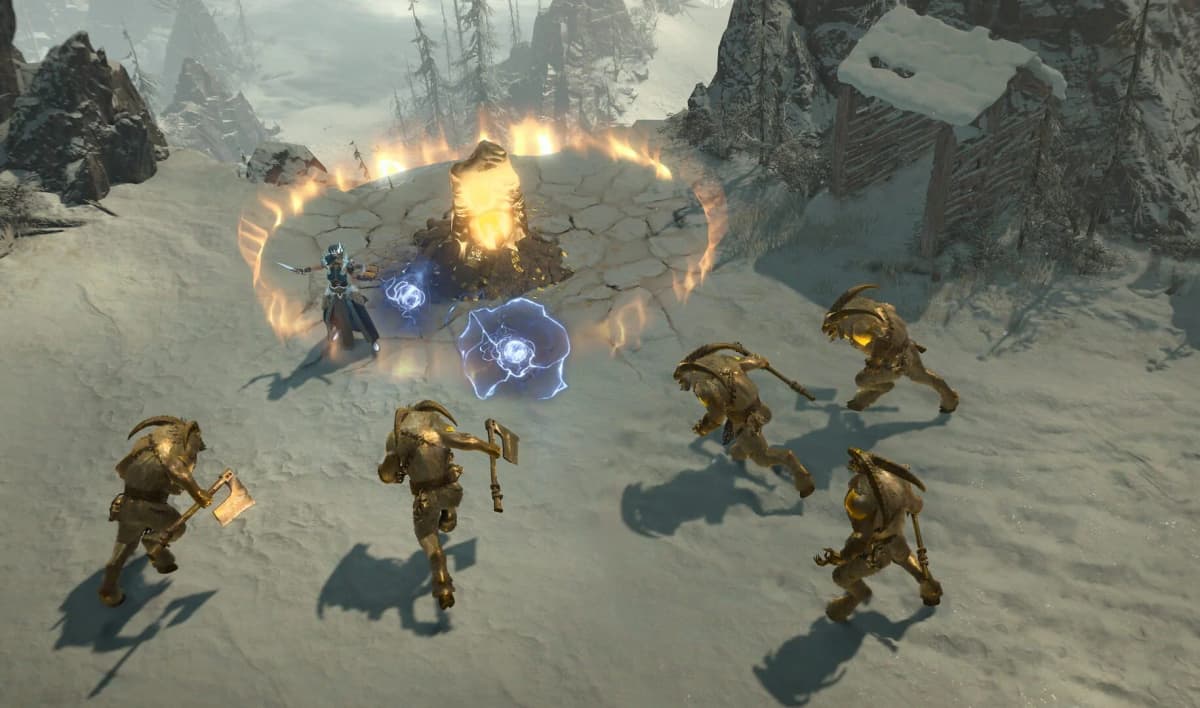
Promotes a Rare into a Legendary. The recipe is 1 Rare item + 1 Pure Primordial Dust + 10 Raw Primordial Dust, with an optional Tuning Prism to steer the result. Use it when a Rare already carries the exact stat spread your build wants — a Rare with the right lines beats a random Legendary with the wrong ones. It will not rescue a bad base, so do not feed it leveling gear.
Craft Unique Charm
This is how you keep a Unique’s power without dedicating an armor or weapon slot to it. The recipe takes 1 Ancestral Unique + 3 Unique Charms + Primordial Dust + Infused Horadric Resin and produces a Unique Charm that retains the item’s Aspect (see how Talismans work for how charms slot into your build). It is the closest thing the Cube has to “moving” power, and it frees a contested slot for cleaner stats. Do it only once your build direction is settled — you are committing that Ancestral Unique.
Reroll Set Charm
A targeted reroll for Set Charms, letting you re-roll a charm’s outcome instead of waiting for a fresh drop. Use it the same way you would any reroll: on a charm that is already worth keeping, not to fish a mediocre one into something usable.
Recycle Unique
Feed the Cube 3 copies of the same Unique and it transmutes them into a single fresh, rerolled version of that Unique. This is your duplicate sink: those extra copies of a build-defining Unique are not vendor trash, they are reroll fuel. Hold duplicates until you have three, then recycle for a cleaner roll.
Unique Power Reroll
Randomizes the Unique Power value on an Ancestral Unique — the magnitude of the item’s signature effect, not its regular affixes. Use it when a key Unique landed with a low power roll and everything else on it is already good. It is a gamble, so test it only on a Unique you intend to keep.
What the Cube does not do
Two things people expect the Cube to handle but it does not. Aspect extraction happens at the Occultist, not the Cube — the Cube only preserves an Aspect’s power through the Craft Unique Charm recipe. And Sigil Powder is not a Cube ingredient at all; it crafts Nightmare Sigils. If a recipe is asking for Sigil Powder, you are at the wrong station.
Cube materials and where they come from
The Cube runs on three material families:
- Primordial Dust in escalating tiers — Raw, Coarse, Refined, Pure, Enhanced, Attuned, and Volatile. Most recipes cost a mix of low-tier dust plus a small amount of a high tier.
- Tuning Prisms — used to steer or improve outcomes on the higher-value recipes.
- Infused Horadric Resin — the binding material in the charm recipes.
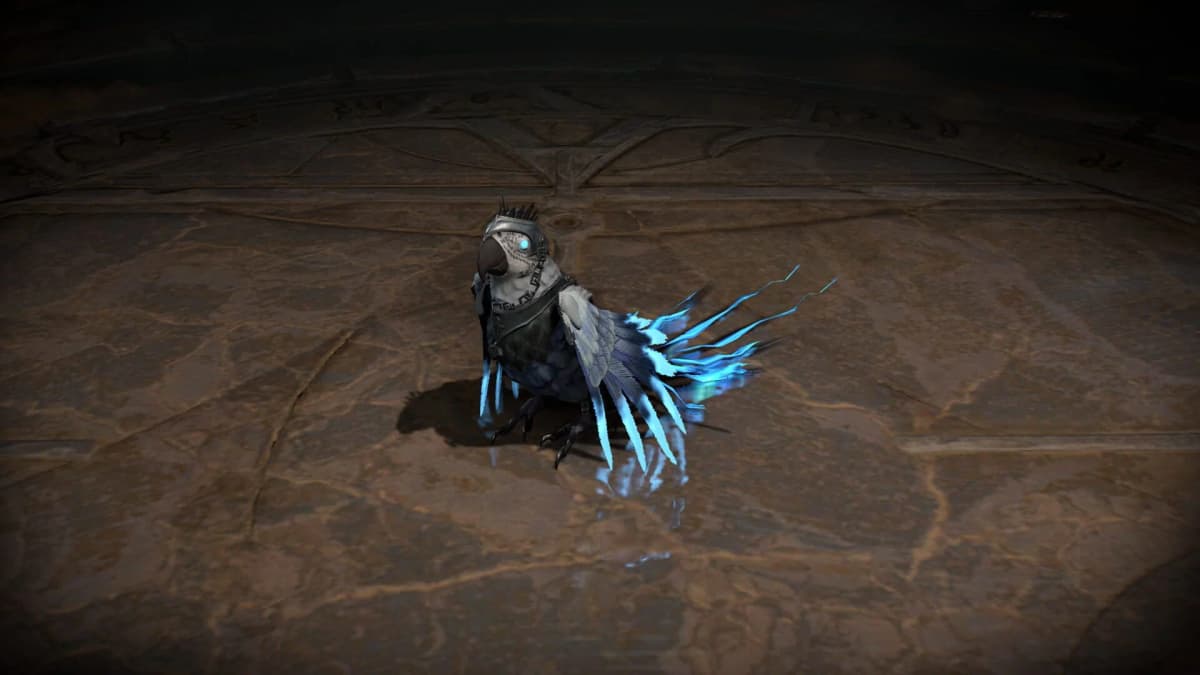
You gather these through normal endgame play: War Plans, Tree of Whispers caches, and elite monsters all feed your dust supply. That is the point — the Cube sits beside your regular farming rather than replacing it. Keep clearing seasonal content and the materials accumulate on their own.
How to use the Cube as you progress
Before Torment
Spend almost nothing. Levels 1–60 are about getting powerful fast and getting your core build online, and anything you craft now gets replaced fast. The only worthwhile Cube work this early is rescuing a genuinely exceptional Rare base with Upgrade to Legendary.
Fresh Torment entry
This is where the Cube starts paying off. Use Upgrade to Legendary to convert well-rolled Rares into the slots your build is still missing, and start banking duplicate Uniques for later recycling. The goal is a stable character that clears Infernal Hordes and Nightmare Dungeons without constant deaths — not a perfect one.
Established endgame
Once Helltides, Infernal Hordes, and Torment are feeding you a steady stream of Ancestral gear, the Cube becomes pure refinement. This is when Craft Unique Charm, Recycle Unique, and Unique Power Reroll make sense — on items already close to best-in-slot, or to lock a build-defining breakpoint. If an item is merely “good enough,” save the dust and keep farming.
Common mistakes
- Looking for Sigil Powder in the Cube — it is not a Cube material; it makes Nightmare Sigils.
- Expecting the Cube to extract Aspects. That is the Occultist’s job; the Cube only preserves an Aspect via the charm recipe.
- Upgrading a weak Rare to Legendary and expecting the upgrade to fix bad lines. It does not — only promote bases that already roll the stats you want.
- Vendoring duplicate Uniques instead of saving three for a Recycle Unique reroll.
- Burning Pure Primordial Dust and Tuning Prisms on gear that is not already near your final setup.
- Treating the Cube as a power source. Your upgrades come from Helltides, Infernal Hordes, and Torment; the Cube only sharpens them.
Practical takeaway
Farm raw upgrades in endgame content, then point the Horadric Cube at the pieces already worth keeping. Upgrade to Legendary turns perfect Rares into usable Legendaries; Craft Unique Charm relocates a Unique’s power to free a slot; Recycle Unique and Unique Power Reroll clean up the Uniques you have copies of. Spend your Pure Primordial Dust and Tuning Prisms last, on gear that is one craft away from best-in-slot, and let Warplans and Tree of Whispers caches refill the rest.
FinalBoss // Gear
Level up your setup
01Top-rated gaming headsetson Amazon→02High-refresh gaming monitorson Amazon→03Gaming chairson Amazon→04Discounted game keyson Kinguin→
Affiliate links · As an Amazon Associate, FinalBoss earns from qualifying purchases.
Want to Level Up Your Gaming?
Get access to exclusive strategies, hidden tips, and pro-level insights that we don't share publicly.
Ultimate Guide Strategy Guide + Weekly Pro Tips