
Crimson Desert calls its toughest optional fights “secret bosses,” but a handful of them are in a different league: they will end a run in seconds if your build is wrong. The three that punish bad prep hardest are Beloth, the Darksworn, Athor, Archon of Antumbra, and the Forgotten General. Each one is really a check on a single thing — resistance, range, or add control — and once you solve that check, the fight stops feeling unfair.
Table of Contents (13)
The short version
- Beloth, the Darksworn — fought at Hoenmark Ruins. The arena applies a cold-weather penalty, so you need ice resistance before damage matters. Clearing him drops pieces of the Armor of the Shadows set.
- Athor, Archon of Antumbra — a long, high-pressure fight that rewards keeping distance. A bow ability like Focused Shot gives you a clean ranged punish instead of forcing risky melee.
- The Forgotten General — an add-heavy fight. If you tunnel the boss and ignore the summons, the arena snowballs. Kill adds on cooldown and use a stagger skill like Turning Slash to buy space.
- Bring a resistance loadout, a ranged option, and stamina recovery before you start the secret-boss circuit. Raw DPS is not what loses these fights.
What to prepare before you start
Do not use one loadout for all of these fights. The hardest secret bosses are less about how much damage you do and more about surviving the arena gimmick long enough to land clean punishes. On both PC and console the same prep priorities matter more than your control scheme.
- Bring an ice-resistance loadout. Beloth’s arena carries a cold-weather penalty, so ice resistance is the single most important stat for that fight.
- Keep a ranged option ready. Athor is far more manageable if your build can use
Focused Shotor a similar ranged punish instead of forcing melee. - Slot stamina recovery and heal conservatively. These fights punish panic dodging, so you want recovery that lets you reset instead of overcommitting.
- Have a stagger plan. If you are melee, a skill like
Turning Slashis valuable for the Forgotten General and other high-pressure humanoid fights.
Beloth, the Darksworn: win the arena before you win the duel
Beloth is one of Crimson Desert’s nastiest secret bosses, and the reason is the arena, not just his damage. You reach him at Hoenmark Ruins — return there once you have pushed past the Chapter 6 / Pailune section. The arena applies a cold-weather penalty, so entering with a normal damage set and no ice resistance means the environment beats you before Beloth does.
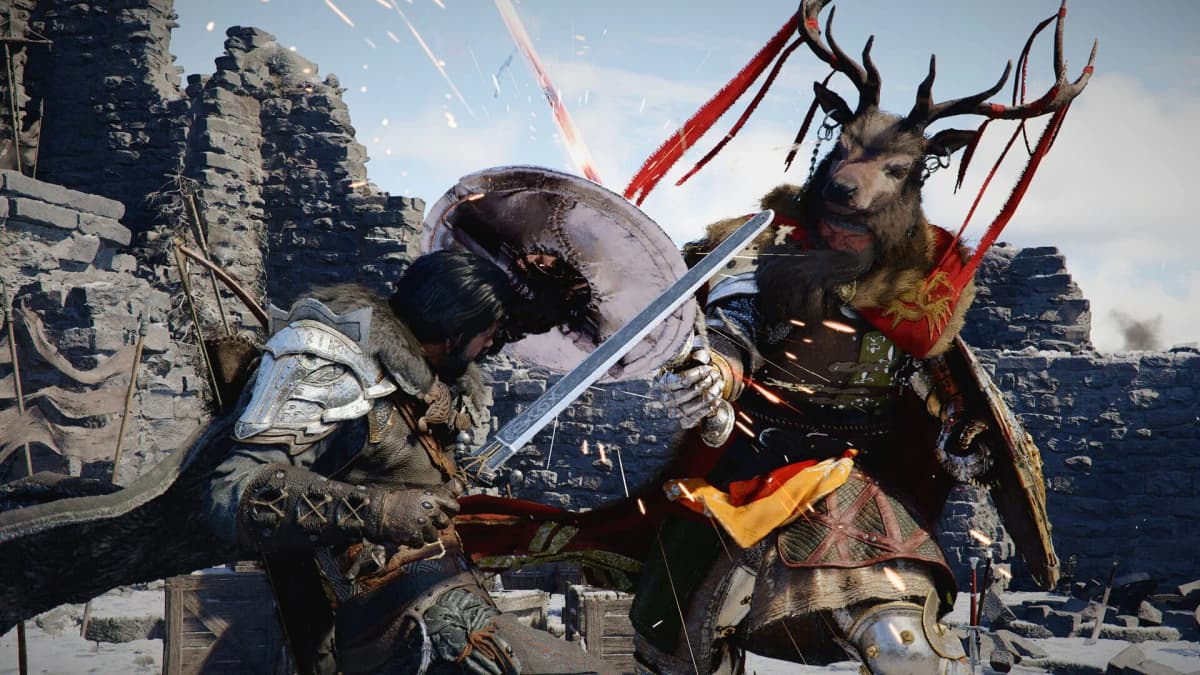
The clean approach is simple: gear for ice resistance, kill any minions immediately, and only punish Beloth after he clearly finishes a string. Leaving adds alive eats the space you need to recover and reposition, which turns a manageable fight into a death spiral.
- Open defensively and read how badly the arena is slowing your movement. If it feels sticky, your resistance is too low and your damage numbers do not matter yet.
- Delete any summoned minions as soon as they appear, even if Beloth looks vulnerable.
- Take one or two safe hits after his larger recovery animations, then reset rather than trading.
- Do not heal in the worst part of the arena unless Beloth is fully committed to a distant attack.
Beloth is worth learning properly rather than saving for last, because beating him at Hoenmark Ruins is how you earn pieces of the Armor of the Shadows set — useful late-game gear tied directly to this kill.
Athor, Archon of Antumbra: stop trying to force melee
Athor is the boss that exposes stubborn build choices. It is a long fight with a large health pool, and a melee-first plan leaves you with almost no clean disengage. A ranged setup gives you the space to chip the boss safely between attacks.
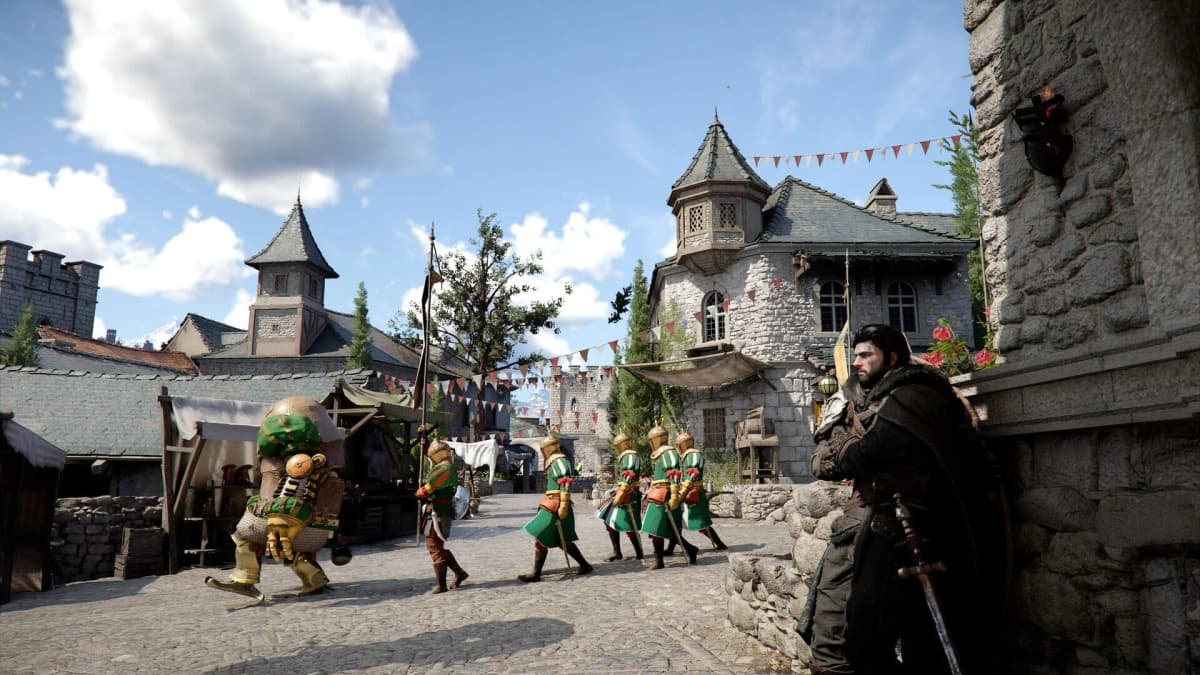
This is why ranged builds keep coming up for this fight. A bow ability such as Focused Shot gives you a precise punish that lets you stay mobile instead of standing in Athor’s face.
- Stay at mid-range, not maximum range. You want room to react without the arena filling with delayed pressure.
- Bait a committed attack, move late rather than early, and punish once with ranged damage.
- Reset your angle after every punish before attacking again. Greed is what turns this fight into chaos.
- If you insist on melee, use it as a burst after a known recovery — not as your default range.
Players often misread Athor’s slow health bar as a damage problem and try to out-DPS it. In practice the fix is spacing: keep your distance, stay patient, and the large health pool stops feeling oppressive.
The Forgotten General: kill the adds before the fight snowballs
The Forgotten General is the punish fight for players who tunnel-vision the boss. It is built around aggression and summoned adds. Leave them alive and the arena stops being readable; treat add control as part of your damage rotation and the fight stays under control.
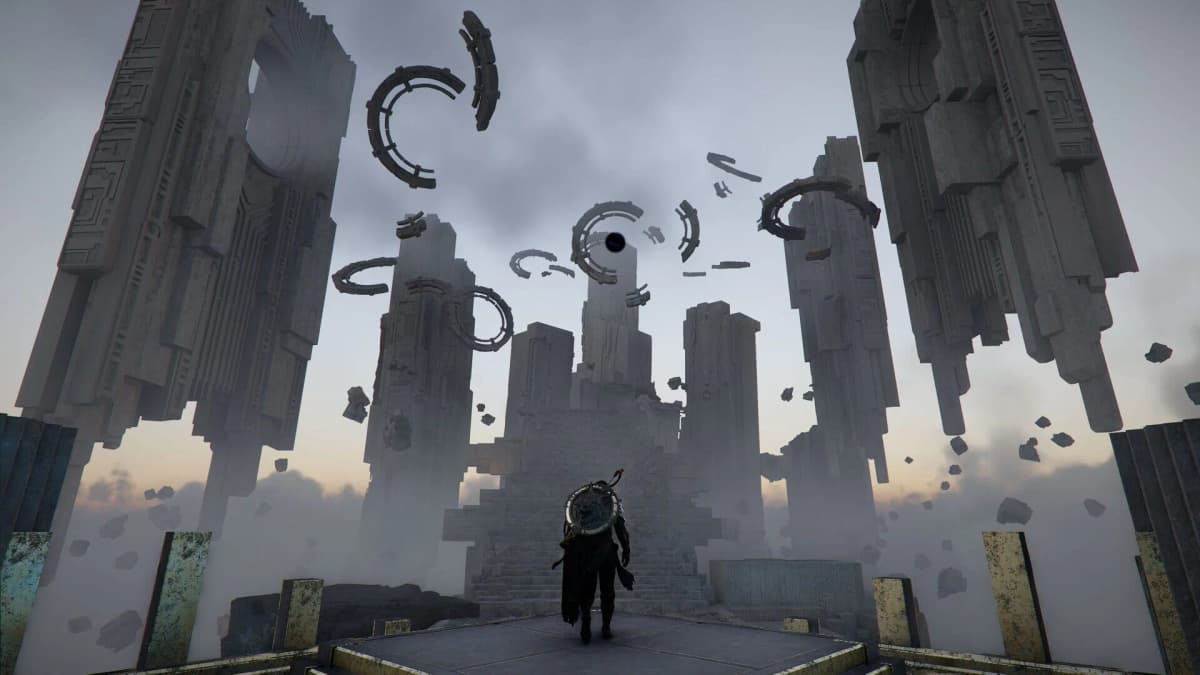
Whenever the General calls support, shift targets and clear the adds on cooldown. If you are running melee, this is a strong spot for a stagger skill like Turning Slash: it buys breathing room and lets you interrupt the pace instead of reacting forever.
- Do not save AoE tools for a perfect moment. Use them the instant adds spawn.
- If the arena starts to feel crowded, you are already behind on add control.
- Push stagger during short windows, then return to clean movement.
- Avoid long combo strings unless the adds are already cleared.
Common mistakes
- Fighting Beloth with no ice resistance. The cold-weather penalty, not his moveset, is what kills most first attempts. Gear for it first.
- Forcing melee against Athor. Without a ranged punish you spend the whole fight in his face with no safe disengage.
- Ignoring the Forgotten General’s adds. Tunneling the boss lets the summons stack until the arena is unreadable.
- Healing in the wrong window. Topping up while the boss is mid-string usually gets you punished — wait for a committed distant attack.
Practical takeaway
Each of these three is really one problem in disguise. Beloth is a resistance problem: bring ice resistance and the cold-weather arena stops mattering. Athor is a spacing problem: stay at mid-range with a ranged punish like Focused Shot. The Forgotten General is an add-control problem: clear summons on cooldown and stagger with Turning Slash. Solve the check each boss is asking for and the rest of Crimson Desert’s secret-boss roster falls into place. If you are still mapping out which optional fights are worth your time, start with our guide to the secret bosses worth fighting, brush up on a standard arena fight in the Goyen boss guide, and line up your gear with the Skyblazer Cloth armor set guide.
FinalBoss // Gear
Level up your setup
01Top-rated gaming headsetson Amazon→02High-refresh gaming monitorson Amazon→03Gaming chairson Amazon→04Discounted game keyson Kinguin→
Affiliate links · As an Amazon Associate, FinalBoss earns from qualifying purchases.
Want to Level Up Your Gaming?
Get access to exclusive strategies, hidden tips, and pro-level insights that we don't share publicly.
Ultimate Guide Strategy Guide + Weekly Pro Tips