
The best Abyssal equipment in Crimson Desert almost never comes from a single lucky drop. It comes from a loop: disarm enemies for low-tier Abyssal pieces, feed those pieces into Equipment Synthesis at a witch, and spend Abyssal Artifacts carefully so your skill tree keeps pace with your gear. Most first attempts stall because players grind kills instead of farming disarms, or dump every artifact into one menu and wonder why their build still feels weak.
Table of Contents (17)
The short version
- Disarm farm first. Shield-parry humanoid enemies (controller default is
L1) and prioritize the disarm drop instead of full clears. - Keep a familiar active so loot collection never slows the route.
- Synthesize in stages: combine level 1 Abyssal gear into level 2, then push level 2 into level 3 at a witch.
- Bank fodder before tier 3. Level 3 synthesis is the RNG-heavy step, so overfarm cheap stock before you gamble.
- Spend Abyssal Artifacts on both tracks. They unlock skill-tree abilities and improve existing capacities, so starving the skill side makes even good gear feel worse.
- Special weapons are a separate path: they come from Sealed Abyss Artifacts and the challenge each one sets, not from synthesis or a workshop.
The Abyssal gear farming loop that wastes the least time
Stop treating Abyssal equipment like a rare world drop you pick up on the way through the campaign. The efficient method is a conversion loop: build stock from low-tier enemy drops, synthesize upward, and only chase Sealed Abyss Artifact challenges when you want a specific special weapon rather than general gear power.
- Equip a shield and make sure your parry timing feels consistent.
- Activate a familiar so loot pickup does not slow the route.
- Target dense camps of humanoid enemies, since disarm farming pays off there far more than against scattered monster packs.
- Bank a large stack of level 1 Abyssal pieces before you start synthesizing.
- Save your higher-value materials for level 3 attempts, where bad RNG stings the most.
Disarm farming works because it compresses the slowest part of every fight: the kill animation, the cleanup, and the loot scramble. A quick parry-and-disarm gives you more repetitions per session, and repetitions are what feed a synthesis system.
How to run disarm farming correctly
Use the shield parry for drops, not just defense
The farming value of a shield is the disarm, not the survivability. On controller the parry input is L1; on PC use your bound guard or parry key, and consider rebinding it somewhere comfortable because you will repeat it constantly. Meet the enemy weapon inside the parry window, force the disarm, then grab the drop without dragging the fight out.
If your runs feel inconsistent, the problem is usually timing, not gear score. Players block too early, hold guard instead of parrying, or counterattack and kill the target before the disarm lands. For farming, discipline beats aggression: get the disarm first, let the familiar vacuum loot, then decide whether to finish the enemy or move on.

Pick camps you can reset quickly
The location that matters is not a single best-in-slot spot. It is any camp where enemy density and a fast reset overlap, so you can run the same disarm loop again and again. A merely good route you can repeat cleanly will out-farm an awkward “perfect” location with a long travel time. While you are out, the roadside altars holding Sealed Abyss Artifacts are worth grabbing, because they feed the special-weapon side of your progression covered below.
Let the familiar do the boring work
This sounds minor until you test it over a long session. If you are manually circling every drop, your route is slower than it needs to be. Keep a familiar active for pickup during disarm farming: the faster you collect drops, the faster you reposition for the next parry. The familiar is not why the method works, but it is why the method stays efficient instead of becoming a chore.
How to use witches for Equipment Synthesis without burning your stash
The synthesis NPCs are the witches. Do not walk in with a handful of random pieces and start gambling — treat synthesis like bulk crafting instead.
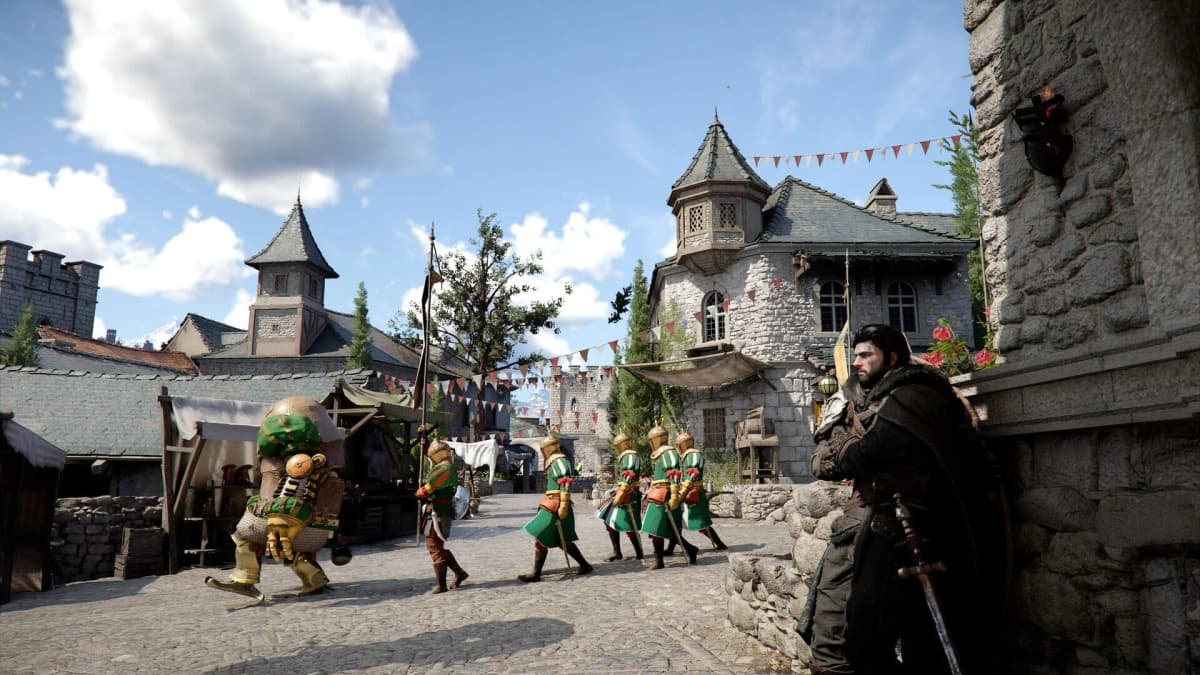
Combine level 1 pieces into level 2 first. Only once you have a solid level 2 stockpile should you push toward level 3, because that is where bad RNG feels brutal. If you synthesize every upgrade the moment you get it, you create feast-or-famine progression and run out of fodder constantly. If you are clearing the deeper Abyss content along the way, our Dimensional Labyrinth Abyss guide covers a run that pairs well with a synthesis stockpile.
- Use level 1 Abyssal equipment as your farming fuel.
- Batch enough materials to make several level 2 attempts in one visit.
- Keep the best level 2 outcomes and feed the rest back as fodder.
- Treat level 3 as an investment tier, not a casual click.
- If you make a manual save before gambling, do it before the level 3 sequence, not after every minor upgrade.
Saving before a level 3 attempt is a player workaround for volatile RNG. It will not improve the underlying odds, but it can stop a bad streak from deleting a long farming session. If you would rather not play that way, the alternative is simple: overfarm level 1 and level 2 stock so failed level 3 attempts hurt less.
Do not spend every Abyssal Artifact on gear
This is the mistake that quietly ruins a lot of “best gear” plans. Abyssal Artifacts have a dual role in Crimson Desert: they unlock skill-tree abilities and improve existing capacities. Your farming route feeds two progression tracks at once, and starving the skill side makes even strong equipment feel worse in combat.
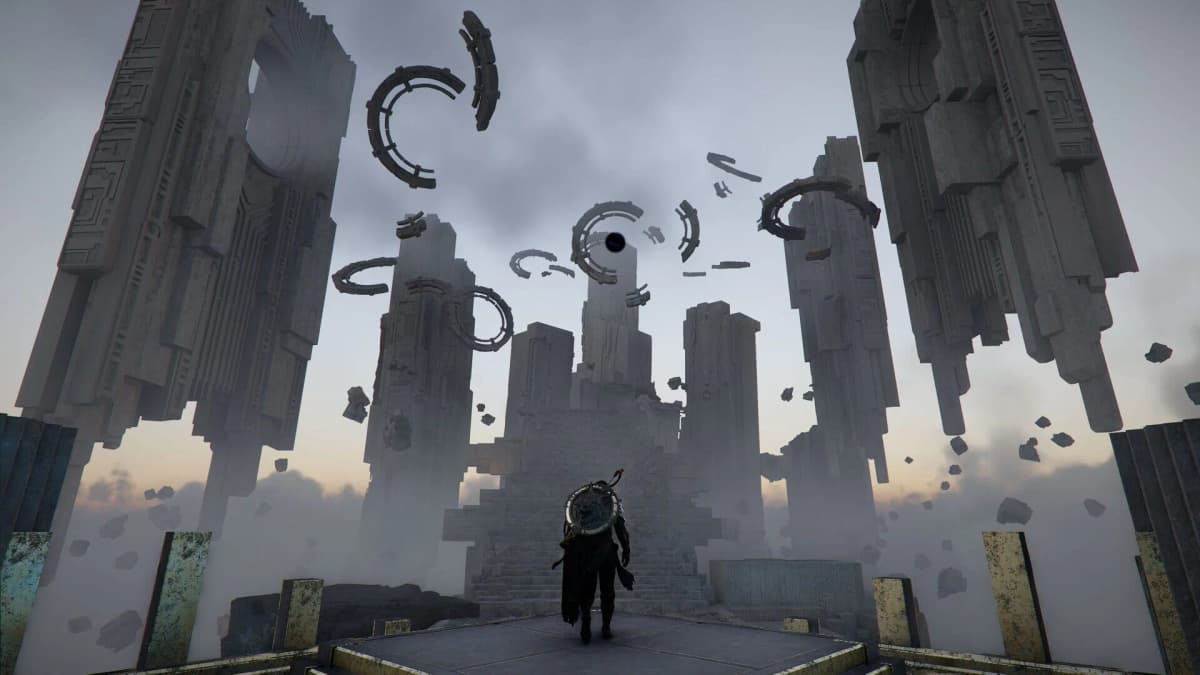
Abilities also come from other sources — main story progression and observing certain NPCs in combat among them — so the smartest gear farmer is not the one who dumps every artifact into a single menu the moment it opens. It is the one who decides whether the next power spike should be a stronger synthesized item or a skill unlock that stabilizes the whole route. If your farm suddenly feels slower even though your item level went up, that is usually the signal to pivot and refill the skill side before resuming synthesis.
Special weapons come from Sealed Abyss Artifacts, not synthesis
Not every top-tier reward comes from the same loop. Standard Abyssal equipment improves through farming and synthesis, but the strongest special weapons are tied to Sealed Abyss Artifacts. You find these artifacts sitting on small stone altars at roadsides, and each one unlocks a combat challenge — clear the challenge and you earn the weapon. There is no central workshop that crafts them, so do not waste time hunting for one.
Documented special Abyss weapons include the Storm Shield, Lightning Spear, Flamespitter, Bismuth Spear, Propeller Spear, Knuckledrill, and Drill Fist. The challenge attached to each one is a specific objective rather than raw grinding — the Storm Shield, for example, asks you to defeat thirty enemies with that shield. Because these are objective-gated, trying to brute-force a special weapon through ordinary disarm farming just loses you hours. When you spot a Sealed Abyss Artifact on the road, pick it up and read its condition before committing.
Sealed Abyss Artifacts share the same roadside altars you pass while farming, which is why mixing artifact pickups into your gear route is more efficient than running each separately. For a step-by-step on one of the Abyss challenge rewards, see our Forgotten Altar Abyssal Trial guide.
Common mistakes
- Killing too fast: aggressive combos end the fight before the disarm drop check, so the route stops paying out.
- Synthesizing too early: small sample sizes make RNG feel harsher. Farm first, synthesize second.
- Skipping roadside Sealed Abyss Artifacts: they are the only source of special weapons and feed your skill tree.
- Forgetting your familiar: manual looting adds dead time to every camp.
- Treating special weapons like random loot: they are challenge-gated and will never drop from a lazy grind.
- Dumping every artifact into gear: equipment power without the matching unlocked abilities can actually slow your farm.
Practical takeaway
The reliable route to the best Abyssal equipment is a repeatable loop, not a lucky chest: shield-parry disarm farming for raw stock, a familiar to keep pickup fast, witches for staged Equipment Synthesis, and split artifact spending so your skill tree stays ahead of the difficulty curve. Save the Sealed Abyss Artifact challenges for the specific special weapons you want, and treat level 3 synthesis as a resource decision instead of a reflex click.
FinalBoss // Gear
Level up your setup
01Top-rated gaming headsetson Amazon→02High-refresh gaming monitorson Amazon→03Gaming chairson Amazon→04Discounted game keyson Kinguin→
Affiliate links · As an Amazon Associate, FinalBoss earns from qualifying purchases.
Want to Level Up Your Gaming?
Get access to exclusive strategies, hidden tips, and pro-level insights that we don't share publicly.
Ultimate Guide Strategy Guide + Weekly Pro Tips